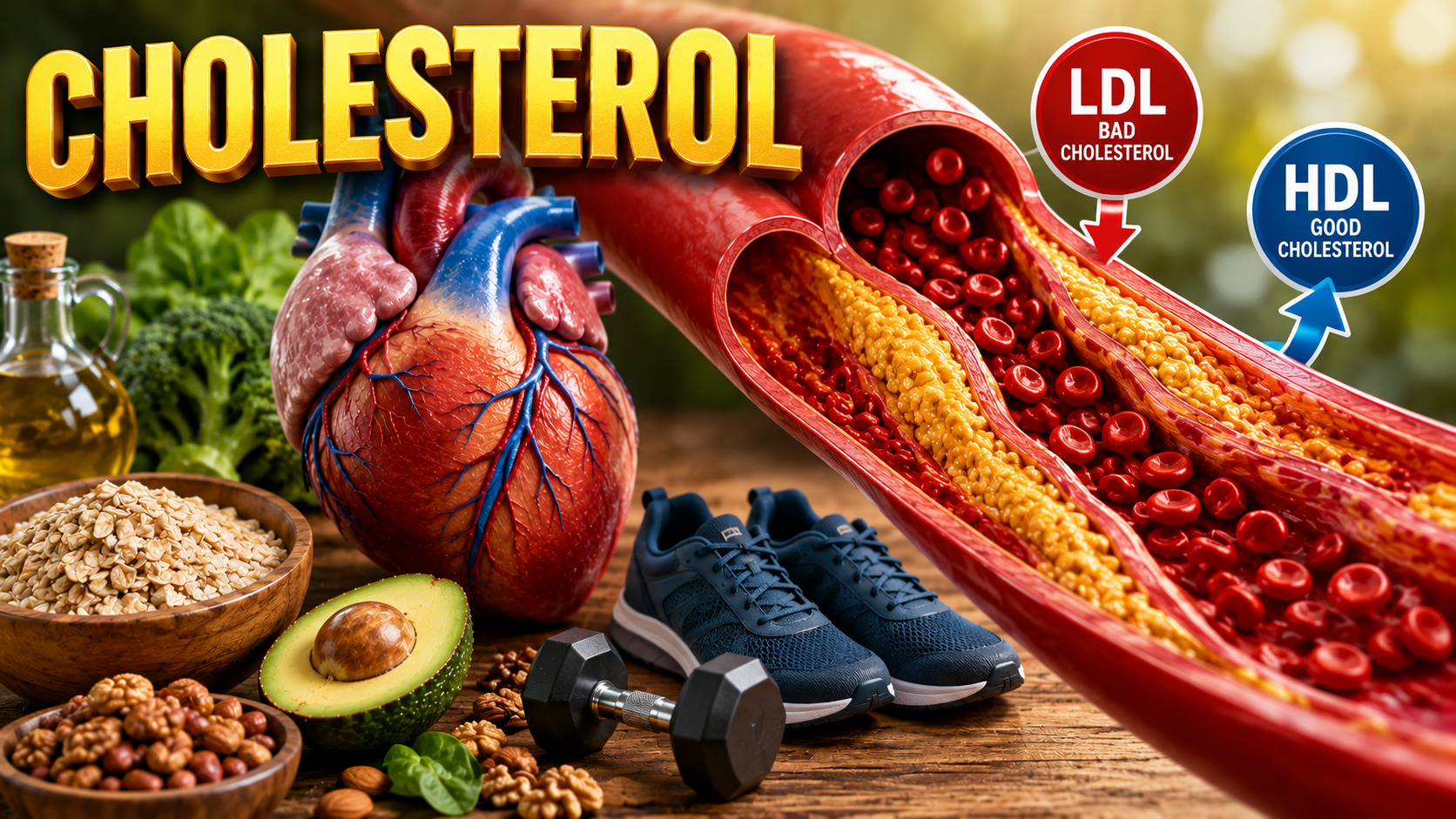
Cholesterol: What Patients Should Know
Whenever people speak of cholesterol, it is often considered a disease or a health disaster — but is it really so? Cholesterol is one of the most misunderstood terms among patients and non-medicos. So, let’s begin by understanding what cholesterol actually is. Is it all bad, or is it even bad at all?
Cholesterol is the major steroid alcohol in animals and performs several essential functions in the body. It contributes to cell membrane structure and acts as a precursor for bile acids, steroid hormones, and Vitamin D. Therefore, it is important that our cells receive an appropriate supply of cholesterol.
The liver plays a central role in regulating the body’s cholesterol balance.
Major sources of liver cholesterol include:
Dietary cholesterol
Cholesterol from extrahepatic tissues
De novo synthesis
The danger does not lie in the presence of cholesterol, but in the imbalance between cholesterol influx and efflux. When this balance is disturbed, cholesterol gradually deposits in tissues, especially along the endothelial lining of blood vessels. This becomes life-threatening when the deposition develops into plaque, narrowing blood vessels (atherosclerosis) and increasing the risk of cardiovascular, cerebrovascular, and peripheral vascular disease.
Good Cholesterol vs Bad Cholesterol — Who Wins in Dyslipidemia?
Cholesterol is a fat and insoluble in water, so it is transported through the bloodstream via complex particles called lipoproteins, including:
Chylomicrons: Transport dietary fats from the intestines
VLDL (Very Low-Density Lipoprotein): Carries fats from the liver
IDL (Intermediate-Density Lipoprotein): Formed from VLDL
LDL: The “Delivery Truck” (The Bad)
Low-Density Lipoprotein (LDL) carries cholesterol from the liver to the rest of the body. Excess LDL collects in the walls of blood vessels, forming plaque. This process narrows arteries and restricts blood flow — the hallmark of atherosclerosis.
HDL: The “Garbage Truck” (The Good)
High-Density Lipoprotein (HDL) acts as a scavenger. It picks up excess cholesterol from the bloodstream and transports it back to the liver for breakdown and removal. Higher HDL levels are linked with lower heart disease risk.
What Happens When You Eat More Than Required?
Triglycerides: The Energy Storage
Triglycerides are the most common type of fat in the body. They store excess energy from food. High triglycerides — often caused by diets high in sugar, refined carbs, and alcohol — contribute to thickening of artery walls and increase cardiovascular risk.
Risk Factors: Why Is Your Bad Cholesterol Rising?
Cholesterol levels are influenced by several factors, some modifiable and some not:
Diet: Saturated fats (animal products) and trans fats (processed foods) increase liver cholesterol production.
Genetics: Conditions like Familial Hypercholesterolemia (FH) impair LDL removal regardless of lifestyle.
Age & Gender: Cholesterol levels naturally rise with age. After menopause, women’s LDL increases while HDL may decline.
Sedentary Lifestyle: Lack of physical activity reduces “good” HDL levels.
Can You Manage Your Cholesterol Levels?
I. The "Portfolio Diet"
Research shows specific foods can actively lower LDL:
Soluble Fiber: Found in oats, barley, beans, lentils — it binds cholesterol and prevents absorption.
Plant Sterols: Present in nuts and seeds; they mimic cholesterol and block its absorption.
Healthy Fats: Replacing butter with olive oil or avocado provides heart-protective monounsaturated fats.
II. Physical Activity
Exercise stimulates enzymes that move LDL from the blood to the liver for elimination. Aim for 30 minutes of moderate aerobic exercise, like brisk walking, five days a week.
III. Medical Intervention
When lifestyle changes are insufficient, medication may be required:
Statins: The gold standard — block cholesterol production in the liver.
Ezetimibe: Reduces cholesterol absorption in the intestine.
PCSK9 Inhibitors: Newer injectable drugs for very high cholesterol or genetic conditions.
GEWO Health -“Your numbers tell a story — and at GEWO Health, we help you make it a healthier one.”