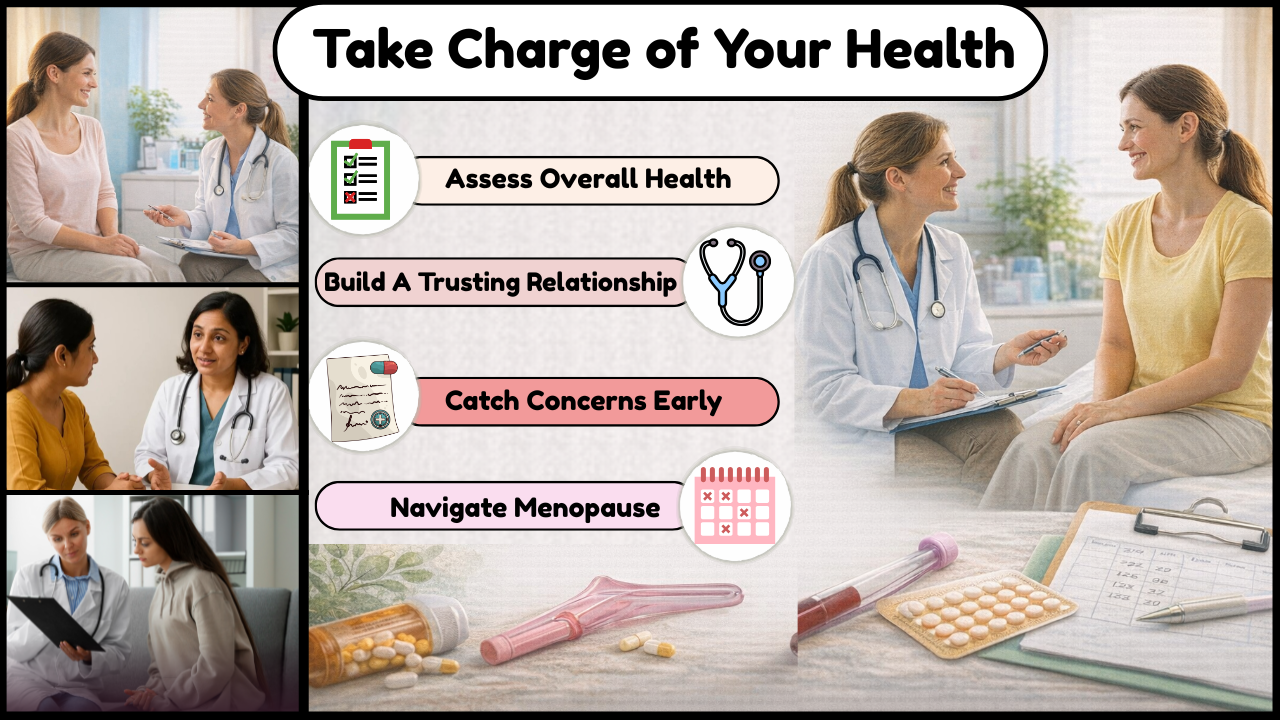
Take Charge of Your Health: Why the Well-Woman Exam Matters
Feeling fine doesn’t always mean everything is fine. That’s why the Well-Woman Exam (WWE) is so important. This yearly preventive visit is designed to evaluate your overall health, provide personalized counseling, and screen for diseases early—when they’re most treatable. Think of it as a yearly reset and check-in for your body.
No matter your age, prioritizing this visit is one of the most powerful steps you can take for long-term wellness.
Make Your Annual Wellness Visit a Priority
Your gynecologist isn’t only there for urgent problems. Annual visits create space to talk about nutrition, exercise, weight changes, and general well-being. Beginning these visits in your teen years helps build trust and comfort with a provider long before a health concern arises.
These appointments are also the right time to openly discuss changes in your body, such as irregular periods, pelvic pain, unusual discharge, or bladder issues.
Beyond physical health, gynecologists can also help connect you with support for mental health challenges, depression, or intimate partner violence. These conversations are confidential and meant to support your whole well-being—not just reproductive health.
Keep Up with Essential Screenings
Preventive screenings are among the most effective tools in women’s healthcare. They help detect early changes before serious conditions develop.
Regular Pap smears and HPV testing identify abnormal cervical cells before they turn cancerous. Clinical breast exams performed during your annual visit can detect lumps that might go unnoticed during self-checks. Pelvic exams allow your provider to look for fibroids, ovarian cysts, infections, and other concerns.
As you get older, mammograms become an important part of routine care, typically starting in your 40s unless risk factors require earlier screening.
If you are sexually active, STI screening is essential. Untreated infections can lead to Pelvic Inflammatory Disease (PID), which may cause infertility and chronic pelvic pain.
Remember: Health Is More Than Reproductive Organs
A Well-Woman Exam is also an opportunity to look at your heart health, metabolism, and hormones.
Monitoring blood pressure and cholesterol is crucial since heart disease remains a major health risk for women. If you have risk factors or a family history of diabetes, blood sugar testing may also be recommended.
Feeling unusually tired, experiencing unexplained weight changes, or noticing mood shifts could point to a thyroid imbalance—easily evaluated with a simple blood test.
Preventing pelvic infections is another important topic. Using condoms, getting regular STI screenings, and avoiding douching can significantly reduce infection risk and protect future fertility.
Managing the Menopause Transition
Menopause brings natural hormonal changes that can affect comfort, sleep, and bone strength—but support and treatment options are available.
After menopause, bone loss becomes more common, increasing the risk of osteoporosis. A bone density scan can detect early weakening, and maintaining adequate calcium and Vitamin D helps protect bone strength.
Hot flashes and night sweats (vasomotor symptoms) can disrupt daily life, but they don’t have to be endured silently. Lifestyle changes, non-hormonal treatments, or Menopausal Hormone Therapy (MHT) may provide relief.
Vaginal dryness and discomfort—part of Genitourinary Syndrome of Menopause (GSM)—are also common and treatable with safe, low-dose vaginal estrogen.
Menopause care is about maintaining quality of life, not just managing symptoms.
Overcoming Barriers to Care
Many women delay gynecologic visits because of embarrassment, anxiety, or concerns about cost. These feelings are completely normal and manageable.
Most insurance plans cover annual well-woman visits without copays, making preventive care more accessible than many realize. Providers are trained to make exams as comfortable as possible, using proper draping, lubrication, and smaller instruments when needed.
Most importantly, your conversations are private and confidential, allowing you to speak openly and receive care tailored to your needs.
A Small Step That Makes a Big Difference
A Well-Woman Exam isn’t just a routine appointment—it’s a proactive step toward prevention, early detection, and lifelong health. By showing up for this yearly visit, you give yourself the best chance at staying healthy, strong, and informed through every stage of life.
Your health deserves attention not just when something feels wrong, but every single year.
GEWO Health
At GEWO Health, we believe every woman deserves care that is proactive, empowering, and personal—because investing in your health today builds the stronger, healthier tomorrow you deserve.