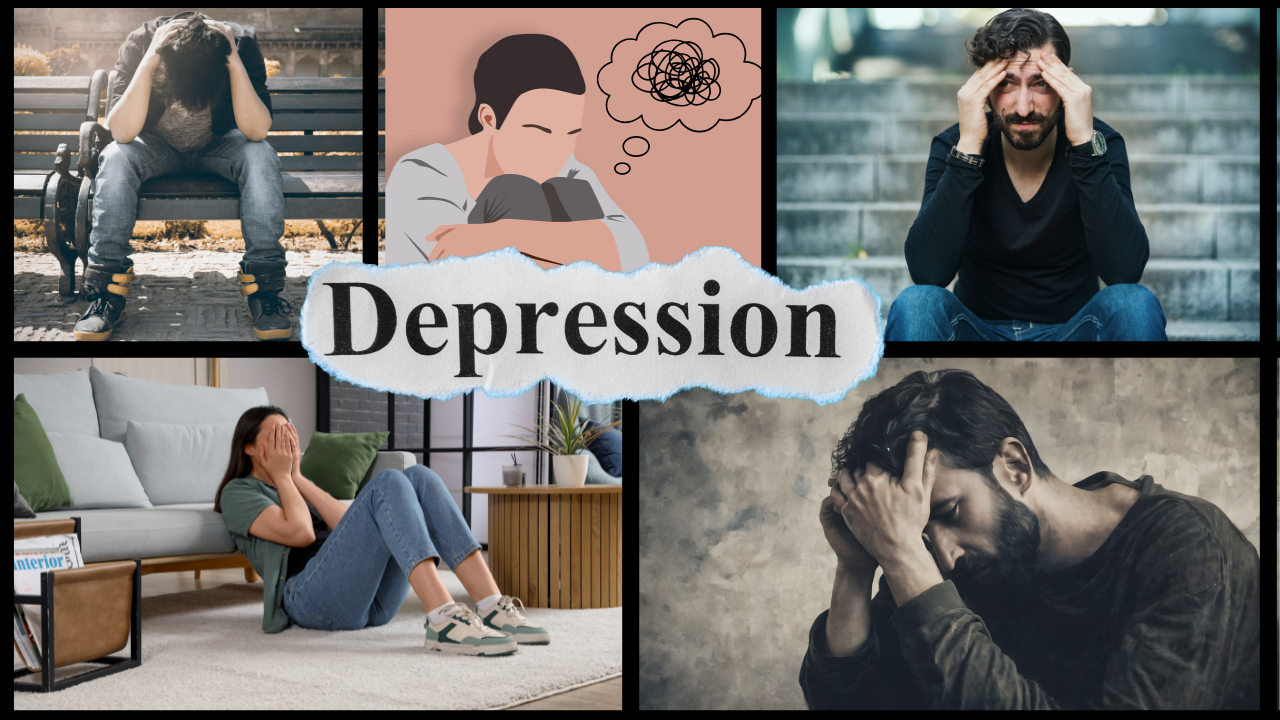
Depression: Signs, Risk Factors, and When to Seek Help
Depression is more than feeling sad or having a bad day. It is a common but serious mental health condition that affects how a person thinks, feels, and functions in daily life. Everyone experiences emotional ups and downs, but depression involves a persistent low mood and loss of interest that lasts for weeks or longer and interferes with normal activities. Understanding the signs, risk factors, and when to seek help can encourage early support and recovery.
What Is Depression?
Depression, also known as major depressive disorder, is a medical condition that affects emotional, physical, and mental well-being. It can influence energy levels, sleep, appetite, concentration, and relationships. Depression does not mean weakness or lack of willpower—it is a treatable health condition influenced by biological, psychological, and social factors.
Common Signs and Symptoms
Depression can look different for each person, but common symptoms include:
Emotional Symptoms
Persistent sadness or low mood
Feeling empty, hopeless, or helpless
Loss of interest or pleasure in activities once enjoyed
Irritability or increased frustration
Feelings of guilt or worthlessness
Physical Symptoms
Changes in sleep (sleeping too much or too little)
Fatigue or low energy
Changes in appetite or weight
Unexplained body aches or headaches
Slowed movements or restlessness
Cognitive Symptoms
Difficulty concentrating or making decisions
Memory problems
Negative thinking patterns
Thoughts about death or self-harm (in severe cases)
For a diagnosis, symptoms typically persist for most days for at least two weeks and affect daily functioning.
Risk Factors for Depression
Depression usually develops due to a combination of factors rather than a single cause.
1. Biological Factors
Changes in brain chemistry and neurotransmitters can influence mood regulation. A family history of depression may increase risk.
2. Psychological Factors
Low self-esteem, chronic stress, perfectionism, or difficulty coping with challenges can contribute to vulnerability.
3. Life Events and Stress
Major life changes such as loss of a loved one, relationship problems, financial stress, trauma, or chronic illness may trigger depression.
4. Social and Environmental Factors
Isolation, lack of emotional support, workplace stress, and difficult living conditions can increase risk.
5. Medical Conditions and Substance Use
Chronic diseases, hormonal changes, certain medications, alcohol misuse, or substance use may worsen depressive symptoms.
How Depression Affects Daily Life
Depression can impact work performance, academic functioning, and relationships. Individuals may withdraw socially, struggle with motivation, or feel overwhelmed by routine responsibilities. Over time, untreated depression can affect physical health by increasing stress hormones, disturbing sleep patterns, and weakening immunity.
When to Seek Help
Seeking help early can significantly improve recovery. Professional support should be considered if:
Sadness or loss of interest lasts more than two weeks
Daily functioning becomes difficult
Sleep or appetite changes significantly
Feelings of hopelessness increase
There are thoughts of self-harm or suicide
If someone experiences thoughts of harming themselves, immediate help from a healthcare provider, emergency services, or a crisis helpline is essential.
Treatment Options
Depression is treatable, and many people recover with appropriate care.
1. Psychotherapy
Talk therapies such as Cognitive Behavioral Therapy (CBT) help individuals understand negative thought patterns and develop healthier coping strategies.
2. Medications
Antidepressant medications may be prescribed for moderate to severe depression. These medicines help balance brain chemicals involved in mood regulation and should be taken under medical supervision.
3. Lifestyle Support
Healthy habits can complement professional treatment:
Regular physical activity
Balanced nutrition
Consistent sleep routines
Limiting alcohol and substance use
Maintaining social connections
4. Emotional and Social Support
Support from family, friends, or support groups can reduce isolation and improve recovery.
Breaking the Stigma
Many people hesitate to talk about depression due to fear of judgment. Depression is not a personal failure—it is a health condition that deserves care and compassion. Open conversations about mental health encourage understanding and make it easier for individuals to seek help without shame.
Hope and Recovery
Recovery from depression takes time, patience, and support, but improvement is possible. Small steps—seeking help, sharing feelings, maintaining routines—can gradually restore energy and hope. With proper treatment and understanding, individuals living with depression can regain purpose, connection, and emotional well-being.
Depression is common, treatable, and nothing to be ashamed of. Recognizing the signs early and reaching out for help can make a life-changing difference. Just as we care for physical illness, caring for mental health is essential for living a balanced and meaningful life.