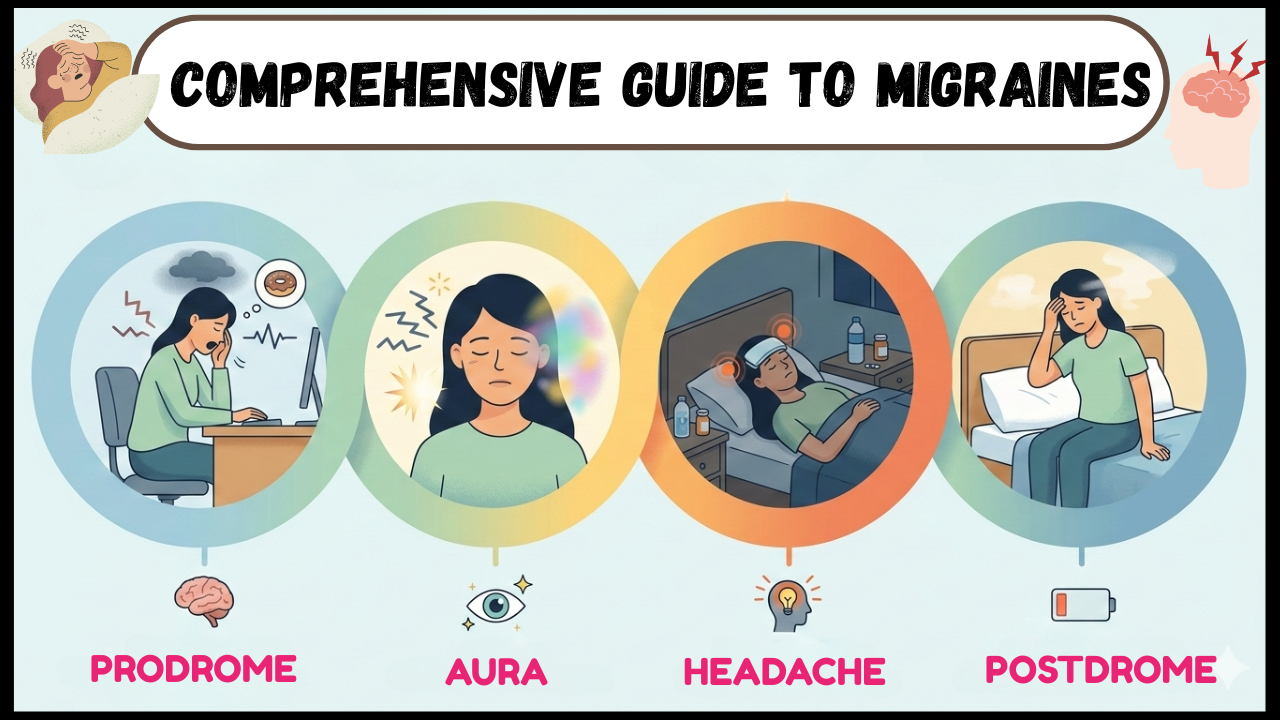
Comprehensive Guide to Migraines
Migraines are much more than “just a headache.” They are a complex neurological condition that can interfere with work, school, relationships, and overall quality of life. While many people experience occasional headaches, migraines are different in intensity, duration, and the range of symptoms they cause. Understanding what migraines are, why they happen, and how to manage them can make a significant difference for those who live with this condition.
What Is a Migraine?
A migraine is a recurring headache disorder characterized by moderate to severe throbbing pain, usually on one side of the head. However, the pain can occur on both sides and may shift from one side to the other. Unlike typical headaches, migraines often come with additional symptoms such as nausea, vomiting, dizziness, and sensitivity to light (photophobia), sound (phonophobia), or smells (osmophobia).
Migraines are considered a neurological disorder because they involve changes in the brain and its blood vessels. During an attack, certain nerves and chemicals in the brain become overactive. This leads to inflammation and changes in blood flow, which contribute to pain and other symptoms.
Migraines can begin at any age but commonly start during adolescence or early adulthood. Women are more likely than men to experience migraines, partly due to hormonal influences.
The Stages of a Migraine
Migraine attacks often occur in stages. Not everyone experiences all stages, but understanding them can help recognize early warning signs.
1. Prodrome (Early Warning Phase)
This stage may begin hours or even a day before the headache starts. Symptoms can be subtle and may include:
Mood changes (irritability or low mood)
Fatigue or excessive yawning
Neck stiffness
Food cravings
Increased thirst
Difficulty concentrating
Recognizing these signs can allow early treatment, which may reduce the severity of the attack.
2. Aura (In Some People)
About one in four people with migraines experience aura. Aura symptoms are temporary neurological changes that usually last 5–60 minutes. These may include:
Flashing lights or zigzag lines
Blurred or blind spots in vision
Tingling or numbness in the face or hands
Difficulty speaking clearly
Aura is not dangerous by itself, but if someone experiences aura symptoms for the first time, medical evaluation is important to rule out other causes.
3. Headache Phase
This is the main stage of the migraine. The pain is often:
Throbbing or pulsating
Moderate to severe
Worsened by physical activity
The headache may last anywhere from 4 to 72 hours if untreated. Associated symptoms can include nausea, vomiting, and extreme sensitivity to environmental stimuli. Many people prefer to lie down in a dark, quiet room during this phase.
4. Postdrome (Recovery Phase)
After the headache fades, many people feel drained or mentally “foggy.” Some describe it as a “migraine hangover.” Concentration may be difficult, and fatigue is common. This phase can last up to 24 hours.
What Causes Migraines?
The exact cause of migraines is not fully understood, but they are believed to result from abnormal brain activity that affects nerve signaling, chemicals, and blood vessels. Genetics play an important role. If one or both parents experience migraines, the likelihood increases.
Certain brain chemicals, particularly serotonin, are involved in migraine development. Fluctuations in hormone levels, especially estrogen, may explain why migraines are more common in women and may worsen around menstruation.
Common Migraine Triggers
Migraines are often triggered by specific factors. These triggers vary from person to person. Common triggers include:
Stress or emotional tension
Lack of sleep or irregular sleep patterns
Dehydration
Skipping meals
Hormonal changes (such as menstrual cycles)
Excessive screen time
Bright lights or loud noises
Strong smells
Weather changes
Certain foods like aged cheese, processed meats, chocolate, excessive caffeine, or alcohol
Keeping a migraine diary can help identify personal triggers. Recording when attacks occur, what was eaten, sleep patterns, stress levels, and environmental exposures can reveal patterns over time.
When to See a Doctor
While migraines are common, some headache symptoms require urgent medical attention. Seek medical care if:
The headache is sudden and extremely severe
It occurs after a head injury
There is fever, stiff neck, confusion, or seizures
There is weakness, speech difficulty, or vision loss
The headache pattern changes significantly
These signs may indicate other serious conditions and should not be ignored.
How Migraines Are Treated
Migraine treatment has two main goals: relieving pain during an attack and preventing future attacks.
1. Treatment During an Attack
Early treatment is usually more effective. Options may include:
Over-the-counter pain relievers (used cautiously)
Prescription migraine-specific medications (such as triptans)
Anti-nausea medications
Resting in a dark, quiet environment
Cold compress on the forehead or neck
Adequate hydration
It is important not to overuse pain medications, as frequent use can lead to medication-overuse headaches.
2. Preventive Treatment
If migraines occur frequently (for example, more than four times per month), doctors may recommend preventive medications taken daily. These may include:
Blood pressure medications
Certain antidepressants
Anti-seizure medications
Newer targeted migraine therapies
Preventive treatment aims to reduce the frequency, severity, and duration of attacks.
Lifestyle Changes That Help
Lifestyle management is one of the most powerful tools for migraine control.
Maintain Regular Sleep
Go to bed and wake up at the same time daily, even on weekends. Avoid excessive screen use before sleep.
Stay Hydrated
Drink adequate water throughout the day.
Eat Balanced Meals
Avoid skipping meals. Include fruits, vegetables, whole grains, and protein-rich foods.
Exercise Regularly
Moderate physical activity like walking, swimming, or yoga can reduce migraine frequency. However, sudden intense exercise may trigger headaches in some individuals.
Manage Stress
Stress is a major trigger. Techniques such as:
Deep breathing
Meditation
Yoga
Mindfulness practices
Time management strategies
can significantly reduce migraine episodes.
Limit Caffeine
Small amounts may help some people, but excessive caffeine or withdrawal can trigger migraines.
Migraines in Special Groups
Women
Hormonal migraines may occur before or during menstruation. These may require specific management strategies.
Children and Adolescents
Migraines in children may present as shorter-lasting headaches and may involve stomach pain. Early recognition is important.
Pregnancy
Many women experience improvement during pregnancy, but medication choices must be carefully considered.
Emotional Impact of Migraines
Migraines can affect mental health. Repeated attacks may lead to anxiety about when the next episode will occur. Some individuals may develop depression due to chronic pain and lifestyle disruption.
Open communication with family, friends, and employers can reduce misunderstandings. Support groups, either in person or online, can provide emotional encouragement and coping strategies.
Can Migraines Be Cured?
Currently, there is no permanent cure for migraines. However, with proper treatment, trigger management, and lifestyle modifications, most people can significantly reduce their symptoms and maintain a good quality of life.
The key is early recognition, personalized management, and consistent follow-up with a healthcare professional.