Disease Prevention
What Is Even Rainy Season Blues?
Monsoon blues can bring more than rainy-day sadness. Reduced sunlight, disrupted routines, humidity, poor sleep, and limited outdoor activity may contribute to low mood, fatigue, anxiety, social withdrawal, and difficulty concentrating. This article explains the signs, possible causes, prevention strategies, and treatment options for persistent monsoon-related mood changes.
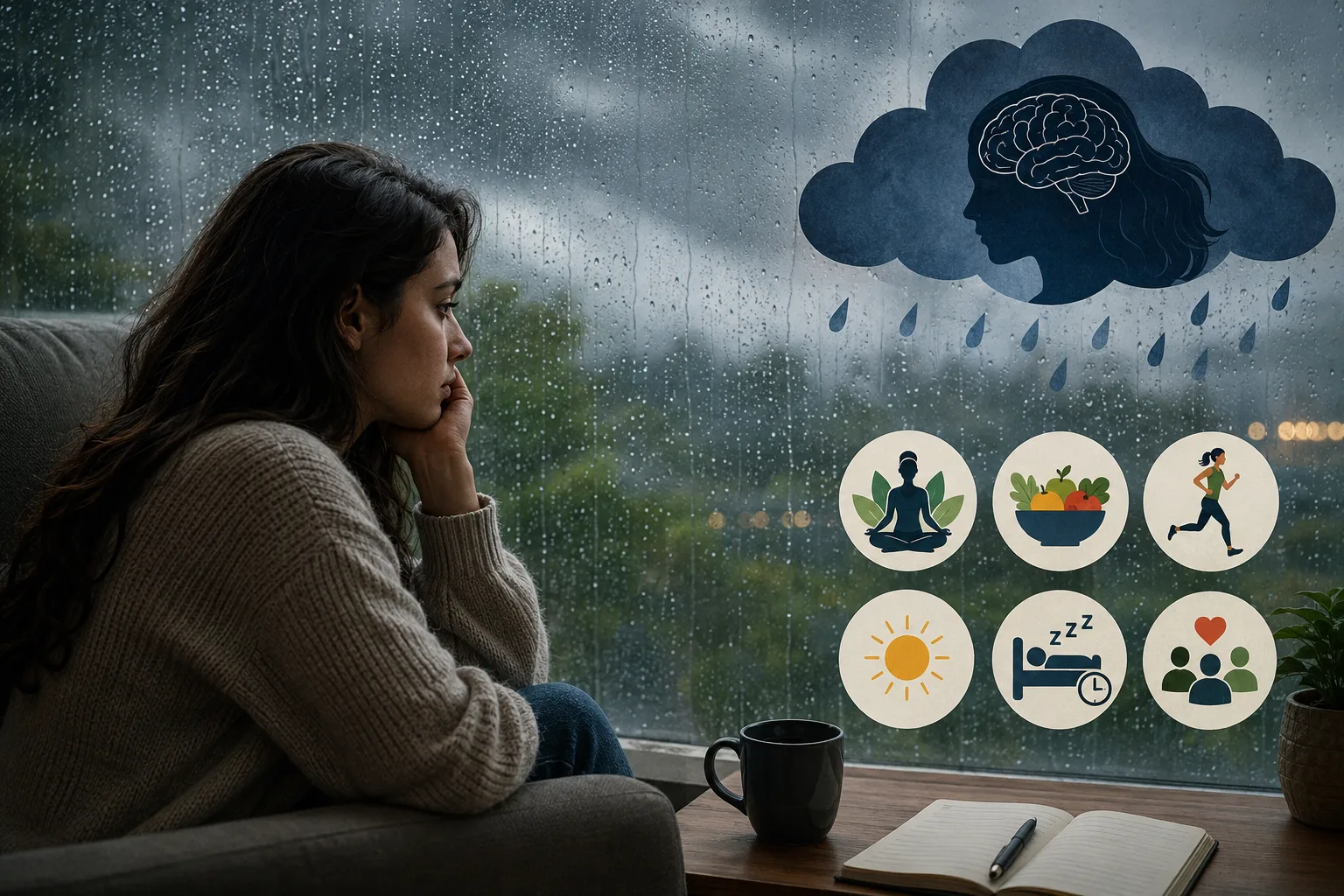
The monsoon brings relief from summer heat, lush greenery, and the comforting sound of rain. However, for many people, these same grey skies and endless downpours can trigger a noticeable dip in mood, energy, and motivation. Often called "monsoon depression" or "monsoon blues," this phenomenon shares features with Seasonal Affective Disorder (SAD), a type of depression linked to seasonal changes. While occasional low spirits during prolonged rain are normal, persistent symptoms that interfere with daily life may signal a deeper issue requiring attention.
Symptoms:
Monsoon depression is not simply disliking the rain. It involves a cluster of emotional, physical, and behavioural changes that last for weeks. Common signs include:
● Persistent low mood: Feeling sad, empty, or hopeless most of the day, nearly every day.
● Loss of interest: Activities you once enjoyed reading, cooking, socialising no longer bring pleasure.
● Fatigue and lethargy: Excessive tiredness even after adequate sleep; a sense of heaviness or sluggishness.
● Sleep disturbances: Sleeping too much (hypersomnia) or too little (insomnia).
● Appetite changes: Craving carbohydrates, overeating, or loss of appetite leading to weight fluctuations.
● Difficulty concentrating: Brain fog, forgetfulness, or trouble focusing on work or studies.
● Social withdrawal: Avoiding friends, family, or social events; preferring isolation.
● Irritability or anxiety: Increased restlessness, worry, or mood swings. If these symptoms persist for more than two weeks and begin affecting your work, relationships, or self-care, it may be time to seek professional help.
Why Does the Monsoon Affect Mood?
Several biological and environmental factors contribute to monsoon-related mood changes:
1. Reduced Sunlight Exposure: Cloudy, rainy days mean less natural light, which disrupts the body's internal clock (circadian rhythm). Sunlight helps regulate serotonin, a brain chemical that stabilises mood, and melatonin, which controls sleep. Less light can lower serotonin and disturb sleep patterns, leading to fatigue and low mood. [business-standard].
2. Vitamin D Deficiency: Limited sun exposure during monsoon can reduce vitamin D levels, which are linked to depressive symptoms and fatigue.
3. Disrupted Routines: Heavy rains, waterlogging, and power cuts can interrupt daily schedules, limit outdoor activities, and reduce social interaction, all of which worsen feelings of loneliness and stress.
4. Humidity and Physical Discomfort: High humidity can cause physical discomfort, headaches, and poor sleep, indirectly affecting mental well-being. 5. Pre-existing Vulnerabilities: People with a history of depression, anxiety, or mood disorders are at higher risk. Women, young adults (18–30 years), and those with irregular sleep or lifestyle patterns may also be more susceptible.
6. Nutritional and Gut Health Factors: Poor diet, excessive caffeine or sugar intake, and compromised gut health during monsoon can worsen fatigue, brain fog, and insomnia.
Prevention Tips:
You can take proactive measures to protect your mental health during the monsoon:
1. Maximise Light Exposure:
- Open curtains and sit near windows during daylight hours.
- Take short walks outdoors when it's not raining to get natural light.
- Consider bright light therapy (using a medically approved light box) if recommended by a doctor. 2. Maintain a Structured Routine:
- Wake up and sleep at consistent times to stabilise your circadian rhythm.
- Plan your day with clear goals to stay motivated and avoid oversleeping.
3. Stay Physically Active:
- Engage in indoor exercises, yoga, or stretching to boost endorphins and counter lethargy.
- Even 20-30 minutes of movement daily can improve mood and energy.
4. Eat a Balanced Diet:
- Include fresh fruits, vegetables, whole grains, and lean proteins. - Limit excessive caffeine, sugar, and processed foods that can worsen mood swings.
- Stay hydrated with safe, boiled or filtered water. 5. Prioritise Sleep Hygiene:
- Avoid late-night screen time to prevent melatonin disruption.
- Create a calming bedtime routine (e.g., reading, meditation).
6. Stay Socially Connected:
- Call or video-chat with friends and family regularly.
- Join online groups or pursue hobbies like painting, music, or cooking to stay engaged.
7. Monitor Vitamin D Levels:
- If you suspect deficiency, consult a doctor before starting supplements.
8. Practice Stress Management:
- Try mindfulness, deep breathing, or meditation to reduce anxiety.
- Keep a gratitude journal to focus on positive aspects of the season.
When to Consult a Doctor?
Not every low mood requires medical intervention, but seek professional help if you experience:
● Symptoms lasting more than two weeks without improvement.
● Significant difficulty functioning at work, home, or in relationships.
● Thoughts of self-harm, suicide, or hopelessness. ● Severe anxiety, panic attacks, or substance use to cope.
● Postpartum mood changes persist beyond two weeks.
A psychiatrist, psychologist, or primary care physician can assess your symptoms and recommend appropriate treatment.
What Helps?
If monsoon depression is diagnosed, several evidence-based treatments are available:
1. Psychotherapy: - Cognitive Behavioural Therapy (CBT): Helps identify and change negative thought patterns and develop coping strategies. - Counselling: Provides emotional support and problem-solving skills.
2. Medications: - Antidepressants: Selective serotonin reuptake inhibitors (SSRIs) or other medications may be prescribed for moderate to severe depression. - Vitamin D Supplements: If deficiency is confirmed, supplementation under medical supervision can help.
3. Light Therapy: - Morning exposure to a medically approved light box can improve mood and regulate circadian rhythms.
4. Lifestyle Modifications: - Regular exercise, balanced nutrition, and sleep hygiene remain foundational.
5. Mind-Body Practices: - Yoga, meditation, and pranayama have shown benefits in reducing stress and improving mood. Important: Do not self-medicate. Always consult a qualified healthcare provider before starting any treatment.
GEWO Health Message:
At GEWO Health, we believe mental wellness is as important as physical health, especially during challenging seasons like the monsoon. If you or a loved one is struggling with persistent low mood, fatigue, or anxiety, remember: you are not alone, and help is available. Early recognition and timely support can make a significant difference. Reach out to a trusted healthcare professional, prioritise self-care, and take small steps each day toward feeling better. Your emotional health deserves attention, compassion, and care.
Medical Disclaimer:
This article is for informational and educational purposes only and does not constitute medical advice, diagnosis, or treatment. Always seek the guidance of a qualified healthcare professional for any questions regarding your mental or physical health. Do not disregard professional medical advice or delay seeking care based on information provided here. If you are experiencing a mental health crisis or having thoughts of self-harm, contact emergency services or a crisis helpline immediately.