Patient Education
Understanding Irritable Bowel Syndrome (IBS): A Patient-Friendly Guide
Irritable Bowel Syndrome (IBS) is a common digestive condition that can cause abdominal pain, bloating, gas, diarrhoea, constipation, or changes in bowel habits. While IBS does not permanently damage the bowel, symptoms can affect daily life. Understanding food triggers, maintaining healthy routines, managing stress, staying hydrated, and using appropriate treatments can help control symptoms and improve gut health.
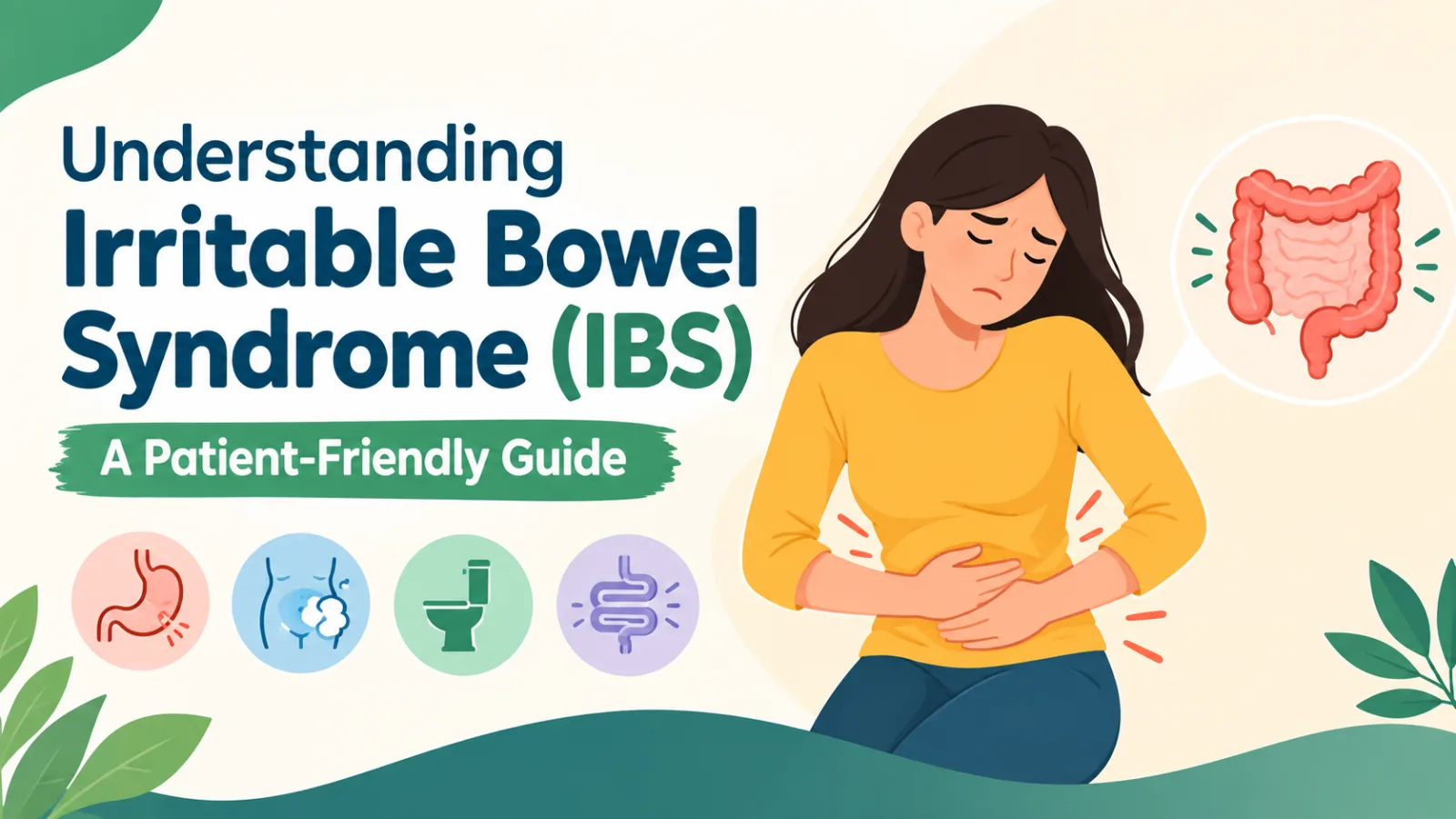
Irritable Bowel Syndrome (IBS) is a common, long-term condition that affects how your large intestine (colon) works. It does not cause permanent damage to the bowel or increase cancer risk, but it can significantly affect daily life.
IBS is classified as a "functional" gut disorder, meaning the bowel looks normal on tests but does not function typically. With the right understanding, diet, and lifestyle changes, most people can manage symptoms effectively.
Symptoms:
IBS symptoms vary from person to person and may come and go over time. Common symptoms include:
● Abdominal pain or cramping, often relieved after passing stool
● Bloating and a feeling of fullness or swelling in the tummy
● Excessive gas (flatulence)
● Changes in bowel habits:
● Diarrhoea (loose, frequent stools)
● Constipation (hard, infrequent stools)
● Alternating diarrhoea and constipation
● Mucus in the stool
● Urgency to pass stool or a feeling of incomplete emptying.
Symptoms often appear after meals and may worsen during periods of stress.
Causes and Risk Factors:
The exact cause of IBS is not fully understood, but several factors are believed to contribute:
● Gut–brain interaction: Miscommunication between the brain and the nerves in the gut can lead to heightened sensitivity and abnormal bowel movements.
● Muscle contractions in the intestine: Stronger or weaker than normal contractions can cause diarrhoea, constipation, or pain.
● Changes in gut bacteria: An imbalance in the natural bacteria living in the intestine may play a role.
● Post-infectious IBS: Some people develop IBS after a stomach infection (gastroenteritis).
● Food sensitivities: Certain foods (e.g., dairy, wheat, beans, carbonated drinks) may trigger symptoms.
● Stress and anxiety: Emotional stress can worsen IBS symptoms, though it does not cause IBS.
Risk factors include being female, having a family history of IBS, experiencing significant life stress, or having had a recent gut infection.
Prevention Tips:
While IBS cannot always be prevented, you can reduce the frequency and severity of symptoms with these lifestyle and dietary strategies:
1. Dietary Habits
● Eat regular meals: Have three balanced meals a day; avoid skipping meals or eating late at night.
● Chew food thoroughly and eat slowly to aid digestion.
● Stay hydrated: Drink at least 8 cups (about 2 litres) of fluid daily, mainly water or caffeine-free drinks like herbal tea.
● Limit trigger foods:
● Reduce caffeine (tea, coffee, energy drinks) to no more than 2–3 cups per day.
● Limit alcohol to no more than 2 units per day, with at least two alcohol-free days per week.
● Avoid fizzy drinks, fatty/fried foods, and highly processed meals.
● Cut down on foods high in resistant starch (e.g., reheated rice or potatoes) and sorbitol (found in
sugar-free gum and candies), especially if you have diarrhoea-predominant IBS.
● Fibre wisely:
● For constipation-predominant IBS, gradually increase soluble fibre (e.g., oats, psyllium/ispaghula
husk) rather than insoluble fibre (e.g., bran, whole grains), which can worsen bloating.
● Start with 3–4 grams of soluble fibre daily and increase slowly.
2. Lifestyle Habits:
● Exercise regularly: Aim for 150 minutes of moderate activity per week (e.g., brisk walking, cycling, swimming).
● Manage stress: Practice relaxation techniques such as deep breathing, yoga, or mindfulness.
● Maintain a healthy weight and avoid smoking.
● Keep a symptom diary: Track foods, stress levels, and bowel habits to identify personal triggers.
When to Consult a Doctor?
Most IBS symptoms are not dangerous, but certain "red flag" signs require prompt medical evaluation to rule out other conditions: Seek medical attention if you experience:
● Blood in stool (bright red or black, tarry stools).
● Unexplained weight loss (losing weight without trying).
● Persistent vomiting or inability to keep fluids down.
● Fever lasting more than 24–48 hours with gut symptoms.
● Iron-deficiency anaemia (low blood counts).
● Symptoms that wake you from sleep (nocturnal diarrhoea or pain).
● New or worsening symptoms after age 50.
● Family history of colorectal cancer, inflammatory bowel disease (IBD), or coeliac disease.
Also consult a doctor if IBS-like symptoms persist for more than 4 weeks, or if pain is severe, rapidly worsening, or interfering with daily life.
Treatment Awareness:
There is no single cure for IBS, but treatment focuses on managing symptoms through a combination of approaches:
First-Line Treatments
● Dietary modifications: As outlined above, including regular meals, hydration, and trigger avoidance.
● Soluble fibre supplements: Psyllium (ispaghula) or oat-based products can help regulate bowel
movements.
● Over-the-counter remedies:
● Antispasmodics (e.g., hyoscine, mebeverine) for cramping.
● Laxatives (for constipation) or anti-diarrhoeal agents (for diarrhoea), used cautiously and under
guidance.
Second-Line Treatments:
● Low-FODMAP diet: A structured, short-term elimination diet supervised by a dietitian to identify
fermentable carbohydrate triggers (FODMAPs).
● Prescription medications:
● Antidepressants (low-dose tricyclics or SSRIs) for pain and gut–brain modulation.
● Specific IBS medications (e.g., linaclotide for constipation-predominant IBS, rifaximin for
diarrhoea-predominant IBS).
● Psychological therapies: Cognitive behavioural therapy (CBT), gut-directed hypnotherapy, or counsellingfor stress-related symptom exacerbation.
Treatment is individualised based on your predominant symptoms (constipation, diarrhoea, or mixed) and response to initial measures.
GEWO Health Message:
At GEWO Health, we believe that understanding your body is the first step toward better gut health. IBS is manageable with the right knowledge, personalised diet, and lifestyle changes. We encourage you to:
● Listen to your gut: Keep a symptom diary to identify patterns and triggers.
● Start small: Make gradual, sustainable changes to your diet and routine.
● Seek support: Work with healthcare professionals, including dietitians and doctors, to create a plan that works for you.
● Stay informed: Evidence-based guidance empowers you to take control of your health.
Your journey with IBS is unique, be patient with yourself and celebrate small victories along the way.
Medical Disclaimer:
This article is for educational and informational purposes only and does not constitute medical advice, diagnosis, or treatment. Always consult a qualified healthcare professional for personalised guidance, especially if you have persistent symptoms, red flag signs, or underlying health conditions. Do not start, stop, or change any medication or diet without discussing it with your doctor.