Mental Health
ADHD: Understanding Symptoms, Causes, and Treatment
ADHD is a neurodevelopmental condition that can affect attention, organisation, impulse control, activity levels, and everyday functioning. Symptoms can vary from person to person and may continue from childhood into adulthood. Learn about common symptoms, possible risk factors, supportive habits, when to seek professional assessment, and available treatment options.
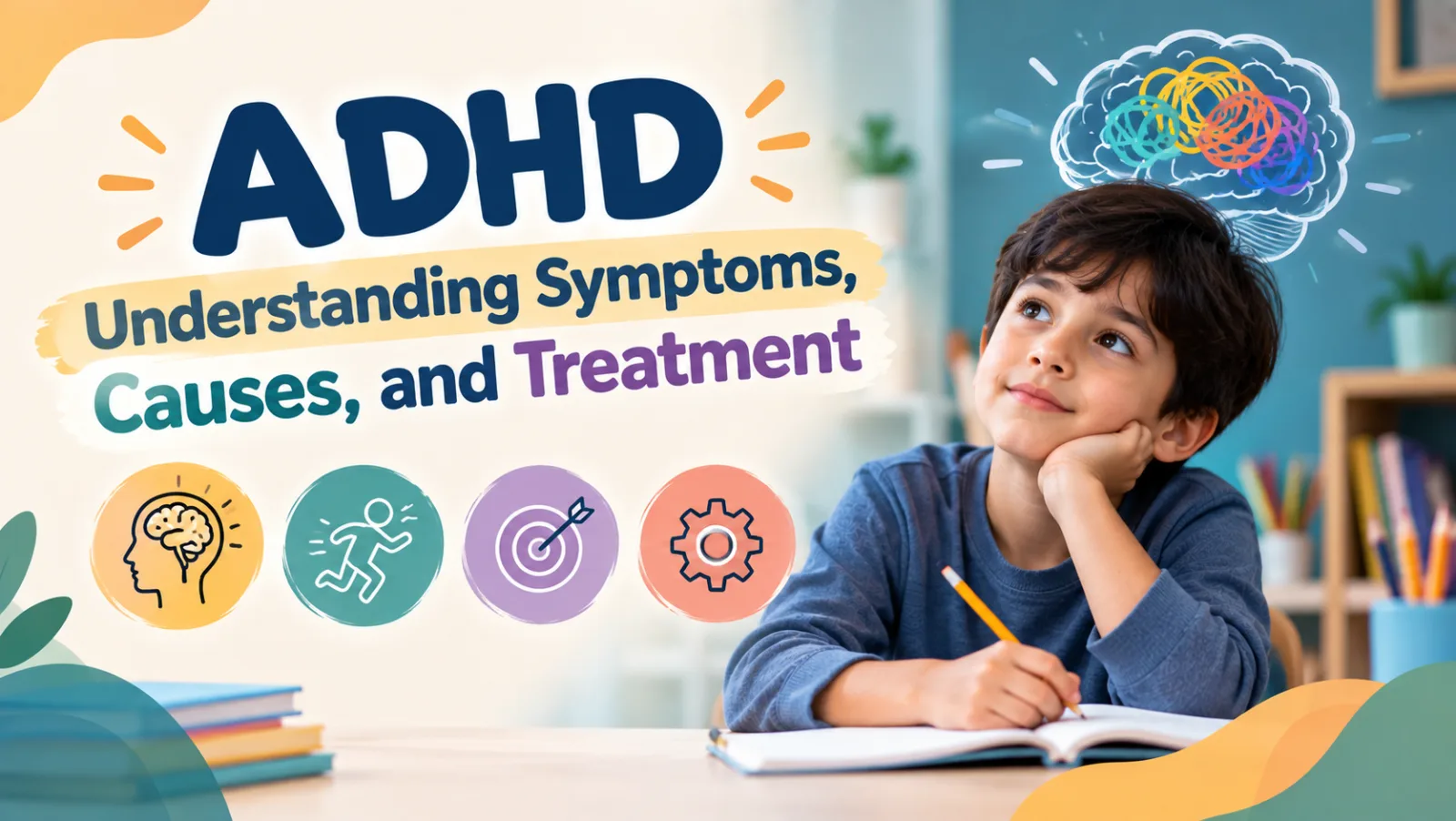
Attention-deficit/hyperactivity disorder, commonly known as ADHD, is a neurodevelopmental condition that affects attention, activity levels, impulse control, and executive functioning. It often begins during childhood but may continue into adolescence and adulthood. Although ADHD is commonly associated with children who are “restless” or unable to concentrate, it can affect people in different ways and may be overlooked, particularly in girls, women, and adults. ADHD is not a sign of laziness, poor parenting, low intelligence, or a lack of discipline. People with ADHD may have difficulty organising tasks, managing time, remembering responsibilities, regulating emotions, or completing activities even when they are motivated to do so. Symptoms can affect education, work, relationships, finances, and daily routines. Professional assessment is important because several other conditions can cause similar difficulties.
Symptoms of ADHD
ADHD symptoms are generally grouped into three presentations: predominantly inattentive, predominantly hyperactive-impulsive, or combined. A person’s symptoms may change with age and circumstances.
Inattention-
A person with predominantly inattentive symptoms may:
● Have difficulty sustaining attention during conversations, lessons, meetings, or routine tasks.
● Make careless mistakes or overlook important details.
● Seem not to listen when spoken to directly.
● Struggle to organise schoolwork, household tasks, or professional responsibilities.
● Frequently lose items such as keys, books, phones, or documents.
● Be easily distracted by sounds, thoughts, or surrounding activities.
● Forget appointments, deadlines, instructions, or everyday responsibilities.
● Avoid tasks that require prolonged mental effort
Hyperactivity and impulsivity-
These symptoms may include:
● Fidgeting, tapping, or having difficulty sitting still.
● Feeling internally restless, especially in adults.
● Talking excessively or interrupting conversations.
● Answering questions before they are completed.
● Difficulty waiting for one’s turn.
● Acting quickly without considering possible consequences.
● Frequently changing activities or seeking constant stimulation.
Not everyone with ADHD is visibly hyperactive. Some people mainly experience mental restlessness, distractibility, difficulty prioritising tasks, or problems with time management. Occasional forgetfulness or restlessness is common. ADHD is considered when symptoms are persistent, began during childhood, occur in more than one setting, and significantly interfere with everyday functioning. Diagnosis cannot be made using a single online quiz or laboratory test.
Causes and Risk Factors:
The exact cause of ADHD is not fully understood. Current evidence suggests that it develops through a combination of genetic, neurological, and environmental influences. Important factors may include:
● Genetic tendency: ADHD often runs in families. A child is more likely to develop ADHD if a close relative has the condition.
● Brain development: Differences in brain networks involved in attention, planning, motivation, and impulse control may contribute.
● Pregnancy and birth-related factors: Premature birth, low birth weight, and certain prenatal exposures may increase risk, although they do not determine whether a person will develop ADHD.
● Environmental influences: Exposure to certain toxins, including lead, may contribute to neurodevelopmental difficulties.
● Other health conditions: Sleep problems, anxiety, depression, learning difficulties, thyroid disorders, epilepsy, hearing or vision problems, and substance use can produce symptoms that resemble ADHD or occur alongside it.
ADHD is not caused by eating sugar, watching television, using mobile phones, or inadequate discipline. However, irregular sleep, excessive screen use, stress, and an unstructured routine may make symptoms more noticeable or harder to manage.
Prevention and Supportive Habits:
There is no guaranteed way to prevent ADHD because genetics and early brain development play major roles. Nevertheless, supportive habits can promote healthy development and reduce the impact of symptoms.
● Attend regular antenatal check-ups and discuss medication, alcohol, tobacco, and other substance exposure with a healthcare professional during pregnancy.
● Ensure children have a balanced diet, regular physical activity, and adequate sleep.
● Maintain consistent routines for waking, studying, meals, recreation, and bedtime.
● Break large tasks into smaller, clearly defined steps.
● Use calendars, reminders, written instructions, colour coding, and checklists.
● Reduce distractions during study or work by keeping only necessary items nearby.
● Encourage positive feedback instead of relying mainly on punishment or criticism.
● Inform schools or workplaces when reasonable adjustments may help.
● Avoid self-medicating with stimulants, sedatives, supplements, or someone else’s prescription medication.
These strategies may support functioning, but they do not replace a professional assessment or treatment plan.
When to Consult a Doctor?
Consider consulting a doctor, paediatrician, psychiatrist, clinical psychologist, or other qualified mental-health professional when attention, hyperactivity, impulsivity, or disorganisation:
● Persist for several months.
● Affect school, work, relationships, or home life.
● Occur in more than one setting.
● Lead to repeated academic, occupational, financial, or safety problems.
● Cause significant emotional distress, low self-esteem, or family conflict.
● Are accompanied by anxiety, depression, sleep problems, substance use, or learning difficulties.
A comprehensive assessment usually includes a detailed developmental and medical history, information from parents, teachers, partners, or other observers when appropriate, and screening for other conditions. Rating scales may support assessment, but they are not sufficient by themselves. ADHD symptoms generally begin in childhood, even if the condition is recognised only in adulthood. Seek urgent help if a person has thoughts of suicide, severe agitation, psychosis, dangerous impulsive behaviour, or an immediate risk of harm.
Treatment Awareness:
ADHD can be managed effectively, although treatment does not “cure” the condition in the traditional sense. The most suitable plan depends on age, symptom severity, coexisting conditions, personal preferences, and the effect of symptoms on daily life. Treatment may include:
● Education and skills training: Understanding ADHD can help individuals and families develop realistic strategies for planning, time management, emotional regulation, and task completion.
● Behavioural interventions: Parent-training programmes, classroom strategies, coaching, and structured behavioural approaches may be especially helpful for children and adolescents.
● Psychological support: Cognitive behavioural therapy and related interventions may help adults manage procrastination, negative self-beliefs, emotional difficulties, and organisational problems.
● Medication: Doctors may prescribe stimulant or non-stimulant medicines when symptoms cause significant impairment. Medication should be started, adjusted, and monitored by a qualified clinician. Possible effects on appetite, sleep, mood, heart rate, blood pressure, and other health factors should be discussed.
● Environmental adjustments: Quiet workspaces, written instructions, flexible scheduling, additional time, regular breaks, and organisational aids may improve functioning.
Guidelines recommend combining treatment with practical and psychological support when appropriate. For young children, parent-focused behavioural support is especially important; medication decisions should be individualised.
GEWO Health Message:
ADHD is a real and manageable neurodevelopmental condition, not a character flaw. Early recognition, compassionate support, structured routines, and professional care can help children and adults use their strengths and participate more confidently in everyday life. If you or someone you care for is experiencing persistent attention, organisation, or impulse-control difficulties, reaching out for an assessment is a positive step.
Medical Disclaimer:
This article is intended for general education and does not replace medical consultation, diagnosis, or treatment. ADHD symptoms can overlap with sleep disorders, anxiety, depression, learning difficulties, thyroid conditions, medication effects, and other health concerns. Do not start, stop, or change any medication without speaking with a qualified healthcare professional. If there is an immediate risk of self-harm or harm to others, contact local emergency services or seek urgent medical help.