Patient Education
Vestibular Migraine
Vestibular migraine can cause dizziness, vertigo, imbalance, motion sensitivity, nausea, and visual discomfort, with or without a headache. Triggers may include poor sleep, skipped meals, dehydration, stress, hormonal changes, screens, and certain foods. Recognizing patterns through a symptom diary and getting the right medical evaluation can help manage attacks. Learn about prevention, treatment, and when dizziness needs urgent attention.
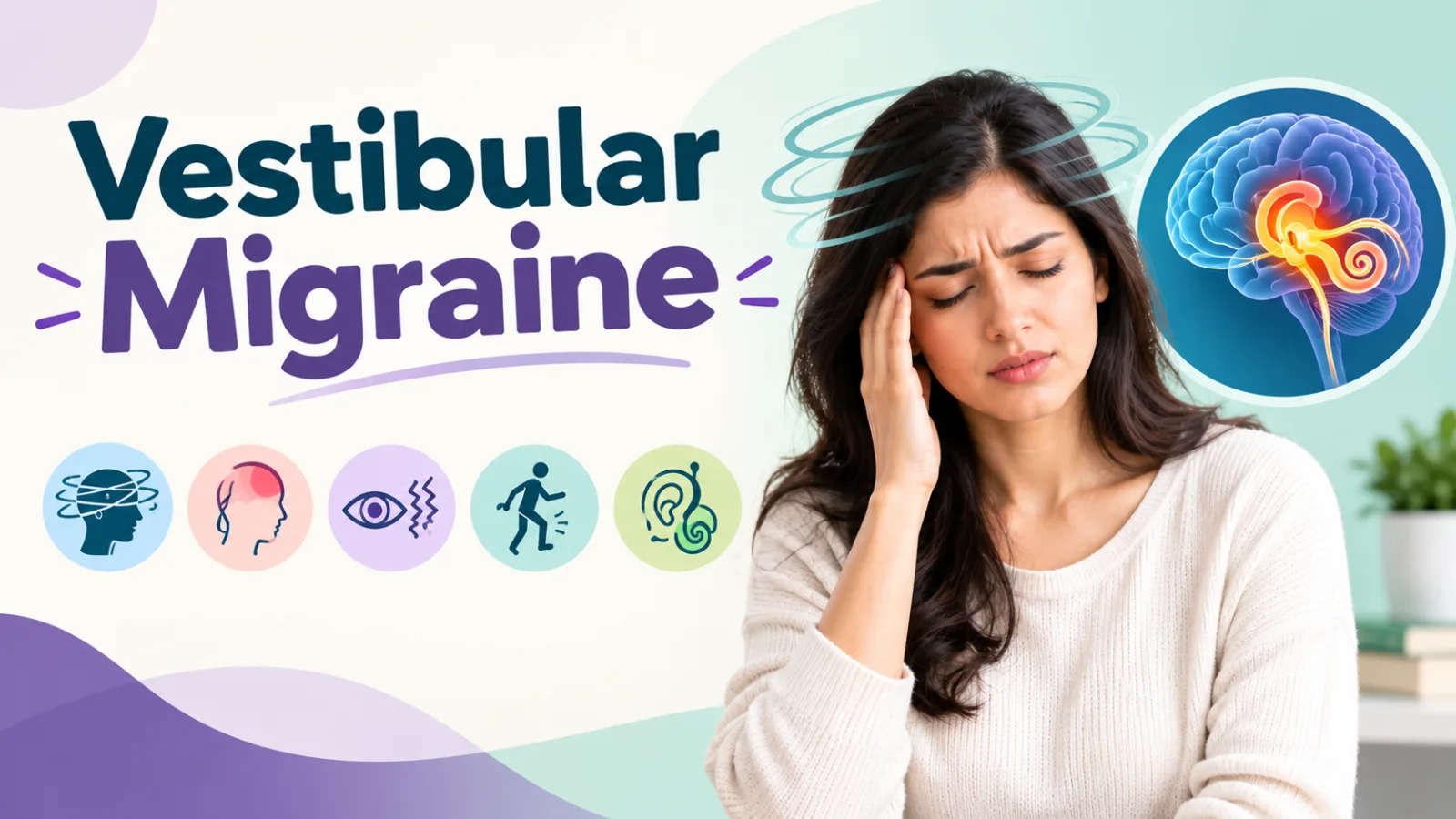
Migraine is more than a headache. In some people, it mainly affects the body’s balance system, causing dizziness, vertigo, motion sensitivity or unsteadiness. This condition is called vestibular migraine. The vestibular system includes parts of the inner ear and brain that help control balance and movement. During a vestibular migraine attack, a person may feel that the room is spinning, that they are moving when they are standing still, or that they might lose their balance. A headache may occur, but it is not always present.
Vestibular migraine is a recognised neurological condition, but it can be difficult to identify because its symptoms overlap with inner-ear disorders, low blood pressure, medication effects and, occasionally, stroke. A diagnosis is made by considering the pattern of symptoms and excluding other causes. Typical diagnostic criteria include at least five moderate-to-severe episodes lasting from 5 minutes to 72 hours, a current or previous history of migraine, and migraine-related symptoms during at least half of the episodes.
Symptoms:
Symptoms vary from person to person and may occur with or without a typical migraine headache.
Common vestibular symptoms include:
● A spinning sensation, known as vertigo.
● Feeling light-headed, rocking or as if the ground is moving.
● Unsteadiness while walking or standing.
● Sensitivity to movement, such as travelling in a car or turning the head.
● Dizziness triggered by scrolling on a phone, watching television, being in a crowded place or seeing moving patterns.
● Nausea or vomiting.
● Difficulty focusing or feeling visually overwhelmed.
● Migraine-associated symptoms may include:
● Throbbing or one-sided headache.
● Sensitivity to light, sound or strong smells.
● Visual symptoms such as flashing lights, zig-zag lines or blind spots.
● Brain fog, tiredness or difficulty concentrating.
● Neck discomfort or pressure around the head.
Some people experience vertigo without head pain. This does not rule out vestibular migraine. In others, dizziness occurs before, during or after the headache. Attacks may last minutes, several hours or, occasionally, up to three
days.
A symptom diary can be helpful. Record the date, duration, symptoms, food and fluid intake, sleep, menstrual orhormonal changes, stress levels, medications and possible triggers.
Causes and Risk Factors:
The exact cause of vestibular migraine is not fully understood. It is thought to involve temporary changes in how the brain processes balance, movement and sensory information. Migraine susceptibility often runs in families, suggesting a genetic contribution.
Several factors may increase the likelihood of an attack:
● Previous migraine with or without aura.
● Family history of migraine or motion sickness.
● Lack of sleep or changing sleep schedules.
● Skipping meals, fasting or dehydration.
● Emotional stress, anxiety or exhaustion.
● Bright lights, loud sounds, strong smells or prolonged screen exposure.
● Travel, rapid head movement or visually busy environments.
● Hormonal fluctuations, including menstruation, pregnancy or menopause.
● Excessive caffeine, alcohol or tobacco.
● Individual food triggers, which may include processed meats, aged cheese or chocolate.
Vestibular migraine may resemble benign paroxysmal positional vertigo, Ménière’s disease, ear infections, medication-related dizziness or persistent postural-perceptual dizziness. Hearing loss, tinnitus or pressure in one ear may point towards an inner-ear condition, although overlap can occur. Professional assessment is therefore
important.
Prevention Tips:
Lifestyle measures are often the foundation of vestibular migraine management. They may not eliminate every attack, but they can reduce frequency and severity.
● Maintain a regular sleep routine, with consistent bedtimes and wake-up times.
● Eat balanced meals at predictable intervals; avoid skipping breakfast or prolonged fasting.
● Drink adequate fluids throughout the day, particularly during hot weather, illness or travel.
● Limit alcohol and avoid smoking or tobacco exposure.
● Keep caffeine intake consistent and moderate rather than suddenly stopping or increasing it.
● Build regular, gradual physical activity into the week, as tolerated.
● Use stress-management techniques such as breathing exercises, relaxation, yoga or mindfulness.
● Reduce exposure to flashing lights, glare and prolonged screen use; take regular screen breaks.
● Move slowly during an attack and use handrails or support if you feel unsteady.
● Keep a migraine and dizziness diary to identify personal triggers.
Do not avoid large groups of foods without medical or nutritional advice. A balanced diet is generally more useful than broad, unproven restrictions.
When to Consult a Doctor?
Arrange a medical appointment if dizziness or vertigo is recurrent, unexplained, worsening, interfering with work or daily activities, or associated with headaches, light sensitivity or nausea. A physician may perform a neurological and ear examination, review medications, check blood pressure and hearing, and recommend further testing or referral to a neurologist or ear, nose and throat specialist.
Seek urgent emergency care for sudden dizziness accompanied by facial drooping, one-sided weakness or numbness, difficulty speaking, new double vision, severe trouble walking, fainting, confusion, sudden hearing loss, chest pain or a sudden severe headache unlike previous headaches. These symptoms can indicate stroke or another emergency and should not be assumed to be migraine.
Until assessed, avoid driving, operating machinery, climbing heights or swimming alone during severe dizziness.
Treatment Awareness:
● There is no single treatment suitable for everyone. Management usually combines lifestyle changes with medicines when needed.
● During an attack, a doctor may recommend an appropriate pain reliever, an anti-nausea medicine or a migraine-specific medicine. Some medicines used for motion sickness or vertigo may provide short-term relief, but frequent use can cause side effects or contribute to medication-overuse headaches. Take them only as directed.
● If attacks are frequent, prolonged or disabling, preventive treatment may be considered. Depending on a person’s health profile, options may include medicines such as beta-blockers, certain antidepressants, anticonvulsants or newer migraine therapies. The choice depends on factors such as pregnancy potential, blood pressure, asthma, mood, weight, kidney health and other medicines.
● Vestibular rehabilitation: supervised exercises that gradually improve balance, gaze stability and tolerance of movement may help selected patients, especially when dizziness or imbalance persists between attacks. Supplements such as magnesium or riboflavin are sometimes discussed, but they are not automatically safe or appropriate.
● Check with a healthcare professional before starting supplements, particularly during pregnancy or when taking prescription medicines. Lifestyle measures, rehabilitation and preventive medicines may need several weeks to show benefit.
GEWO Health Message:
● Get medical advice for repeated dizziness, vertigo or balance problems rather than self-diagnosing.
● Examine your triggers by keeping a diary of sleep, meals, hydration, stress, hormones, screens and
symptoms.
● Watch for emergency warning signs such as sudden weakness, speech difficulty, double vision, confusion or a severe new headache.
● Optimise daily habits: regular sleep, balanced meals, adequate fluids, gradual exercise and personalised trigger management.
● Vestibular migraine can be disruptive, but with accurate diagnosis and an individualised plan, many people learn to reduce attacks and regain confidence in daily activities.
Medical Disclaimer:
This article is for general educational purposes and does not replace consultation with a qualified healthcare professional. Dizziness and vertigo have many possible causes, including conditions requiring urgent treatment. Do not start, stop or change prescription medicines or supplements without medical advice. If symptoms are sudden, severe, new or associated with neurological warning signs, seek emergency care immediately.