Patient Education
Understanding GERD: A Patient-Friendly Guide
GERD is more than occasional heartburn—it happens when stomach contents frequently flow back into the esophagus, causing symptoms such as burning in the chest, regurgitation, difficulty swallowing, cough, or disturbed sleep. Understanding triggers and making simple lifestyle changes, such as avoiding late meals, maintaining a healthy weight, adjusting sleep position, and limiting trigger foods, can help manage symptoms and protect digestive health.
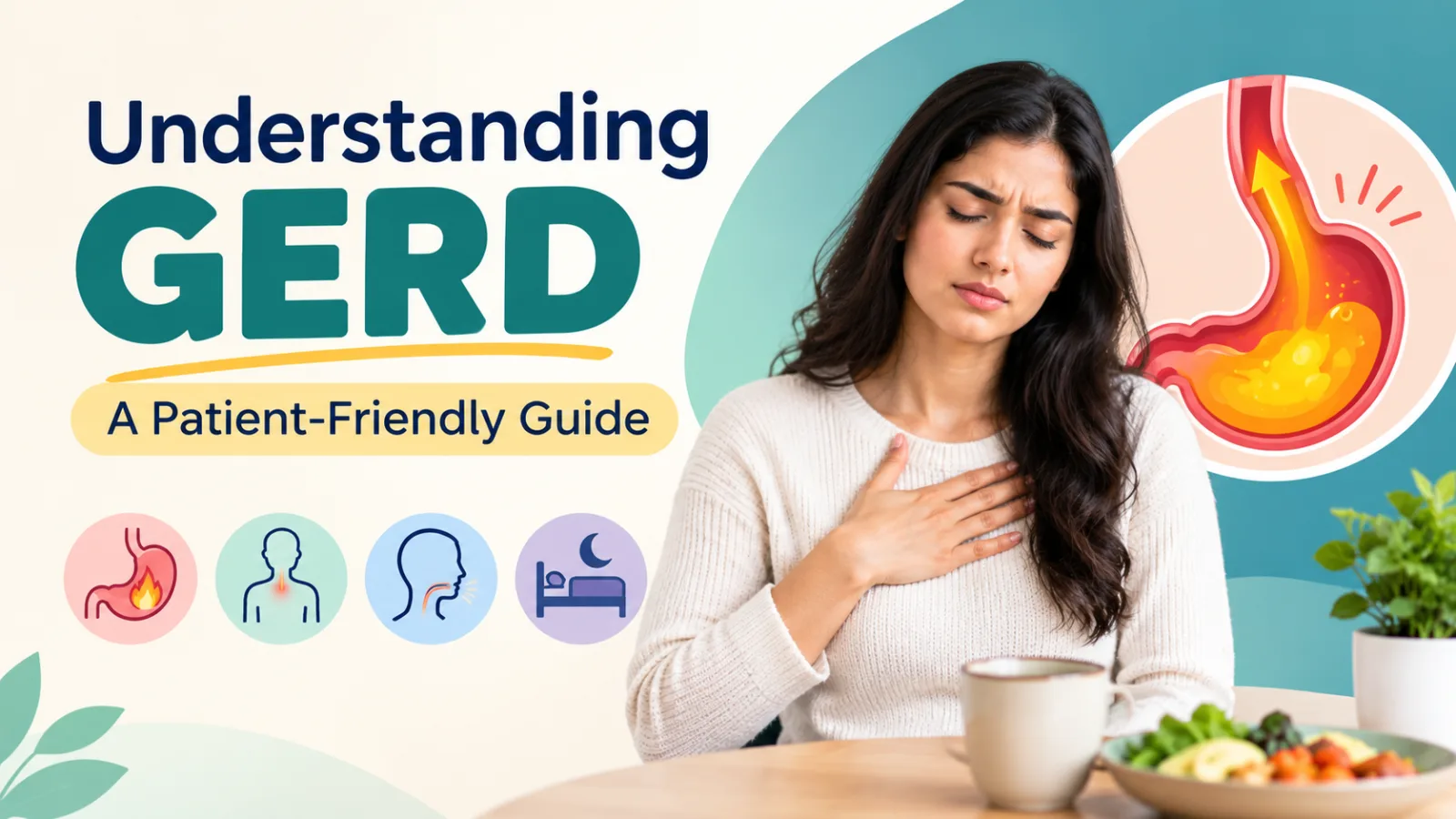
Gastroesophageal reflux disease (GERD) is a chronic condition where stomach acid frequently flows back into the esophagus, causing troublesome symptoms and potential complications. While occasional acid reflux is common, GERD affects an estimated 18-28% of people in Western populations and requires proper management to prevent long-term damage.
What Is GERD?
GERD occurs when the lower esophageal sphincter (LES) , a ring of muscle at the junction of the esophagus and stomach weakens or relaxes inappropriately, allowing acidic stomach contents to flow backward.
Unlike occasional heartburn, GERD is diagnosed when reflux symptoms occur two or more times per week, interfere with daily life, or cause esophageal injury.
Common Symptoms:
GERD symptoms vary from person to person but typically include:
● Heartburn: A burning sensation in the chest, often after eating or at night
● Regurgitation: Sour or bitter-tasting acid backing up into the throat or mouth
● Chest pain: Sometimes mistaken for cardiac pain
● Difficulty swallowing (dysphagia): Feeling that food sticks in the throat
● Chronic cough or hoarseness: Especially in the morning
● Sore throat or globus sensation: Feeling of a lump in the throat
● Sleep disruption: Nighttime reflux waking you from sleep.
Some people experience "silent reflux" with minimal heartburn but prominent throat, voice, or respiratory
symptoms.
Causes and Risk Factors:
Several factors contribute to GERD development:
Lifestyle Factors-
● Excess body weight or obesity (the strongest modifiable risk factor)
● Large or fatty meals
● Eating within 2-3 hours of bedtime
● Smoking and alcohol consumption
● Tight clothing that compresses the abdomen.
Dietary Triggers-
● Caffeinated beverages (coffee, strong tea)
● Carbonated drinks (soda, cola)
● Spicy, acidic, or highly processed foods
● High-fat and fried foods.
Medical and Anatomical Factors-
● Hiatal hernia
● Pregnancy
● Certain medications (e.g., some blood pressure drugs, sedatives)
● Delayed stomach emptying.
Prevention Tips:
Research shows that targeted lifestyle modifications can reduce GERD symptoms by up to 50% and, in some cases, allow patients to decrease or discontinue medication.
1. Achieve and Maintain a Healthy Weight-
Weight loss is the single most effective lifestyle intervention for GERD, especially if your BMI is ≥25 kg/m2. Even modest weight reduction (5-10% of body weight) can significantly improve symptoms and esophageal acid exposure.
2. Optimize Meal Timing and Size-
● Eat smaller, more frequent meals instead of large ones.
● Avoid eating within 2-3 hours before lying down or going to bed.
● Do not nap immediately after lunch.
3. Adjust Sleep Position-
● Elevate the head of your bed by 6-8 inches (15-20 cm) using blocks or a wedge pillow
● Sleep on your left side rather than your right side or back to reduce nighttime reflux.
4. Follow a GERD-Friendly Diet-
● Limit or avoid trigger foods: caffeine, alcohol, carbonated beverages, spicy and high-fat foods.
● Emphasize a high-protein, low-carbohydrate, low-fat dietary pattern (≤45g fat/day).
● Eat slowly and chew each bite thoroughly (at least 15 times).
5. Quit Smoking and Limit Alcohol-
Both smoking and alcohol weaken the LES and increase acid production. Cessation and moderation strengthen the barrier against reflux.
6. Practice Diaphragmatic Breathing
Regular diaphragmatic breathing exercises may improve LES function and reduce reflux episodes.
7. Avoid Tight Clothing
Garments that compress the abdomen increase intra-abdominal pressure and promote reflux.
8. Light Post-Meal Activity
Gentle walking after meals aids digestion, but avoid vigorous exercise for 2–3 hours after eating.
When to Consult a Doctor?
Seek medical evaluation if you experience any of the following:
Routine Consultation:
● Heartburn occurs two or more times per week for several weeks
● Over-the-counter antacids or acid reducers don't control symptoms after two weeks of regular use
● Symptoms wake you from sleep at night
● You rely on antacids daily
● You've had heartburn for years without formal evaluation.
Urgent "Alarm" Symptoms (require prompt gastroenterology referral):
● Difficulty swallowing or food sticking
● Painful swallowing
● Unintentional weight loss
● Vomiting blood or material resembling coffee grounds
● Black, tarry, or maroon stools
● Chest pain that spreads to your arm, jaw, or back, or is accompanied by sweating, shortness of breath, or dizziness
● New-onset GERD symptoms after age 50
Treatment Awareness:
GERD management follows a stepwise approach:
Lifestyle Modifications-
These are first-line therapy for all patients and should be implemented before or alongside medications.
Medications-
● Antacids: Provide quick, short-term relief by neutralizing stomach acid.
● H2 Blockers (e.g., famotidine): Reduce acid production for moderate symptoms.
● Proton Pump Inhibitors (PPIs) (e.g., omeprazole, pantoprazole): Most effective for frequent or severe.
GERD; typically taken once daily before breakfast for 4-8 weeks
Note: Up to 10–40% of patients experience refractory symptoms despite PPI therapy, underscoring the importance of combining medication with lifestyle changes.
Advanced Therapies- For patients with persistent symptoms, anatomical abnormalities, or complications, options include endoscopic procedures or surgical interventions (e.g., fundoplication) after specialist evaluation.
GEWO Health Message:
At GEWO Health, we believe that sustainable GERD management starts with empowered patients. Small, consistent lifestyle changes like losing excess weight, adjusting sleep position, and avoiding late-night meals can dramatically reduce your reliance on medications and improve quality of life. Work with your healthcare provider to create a personalized plan that combines evidence-based lifestyle strategies with appropriate medical therapy. Remember: you are not alone, and effective relief is within reach.
Medical Disclaimer:
This article is for informational and educational purposes only and does not constitute medical advice, diagnosis, or treatment. Always consult a qualified healthcare professional for personalized guidance regarding your health condition. Do not disregard professional medical advice or delay seeking care based on information provided here. Individual responses to lifestyle changes and medications vary; your doctor can help determine the safest and most effective approach for your specific situation.