Patient Education
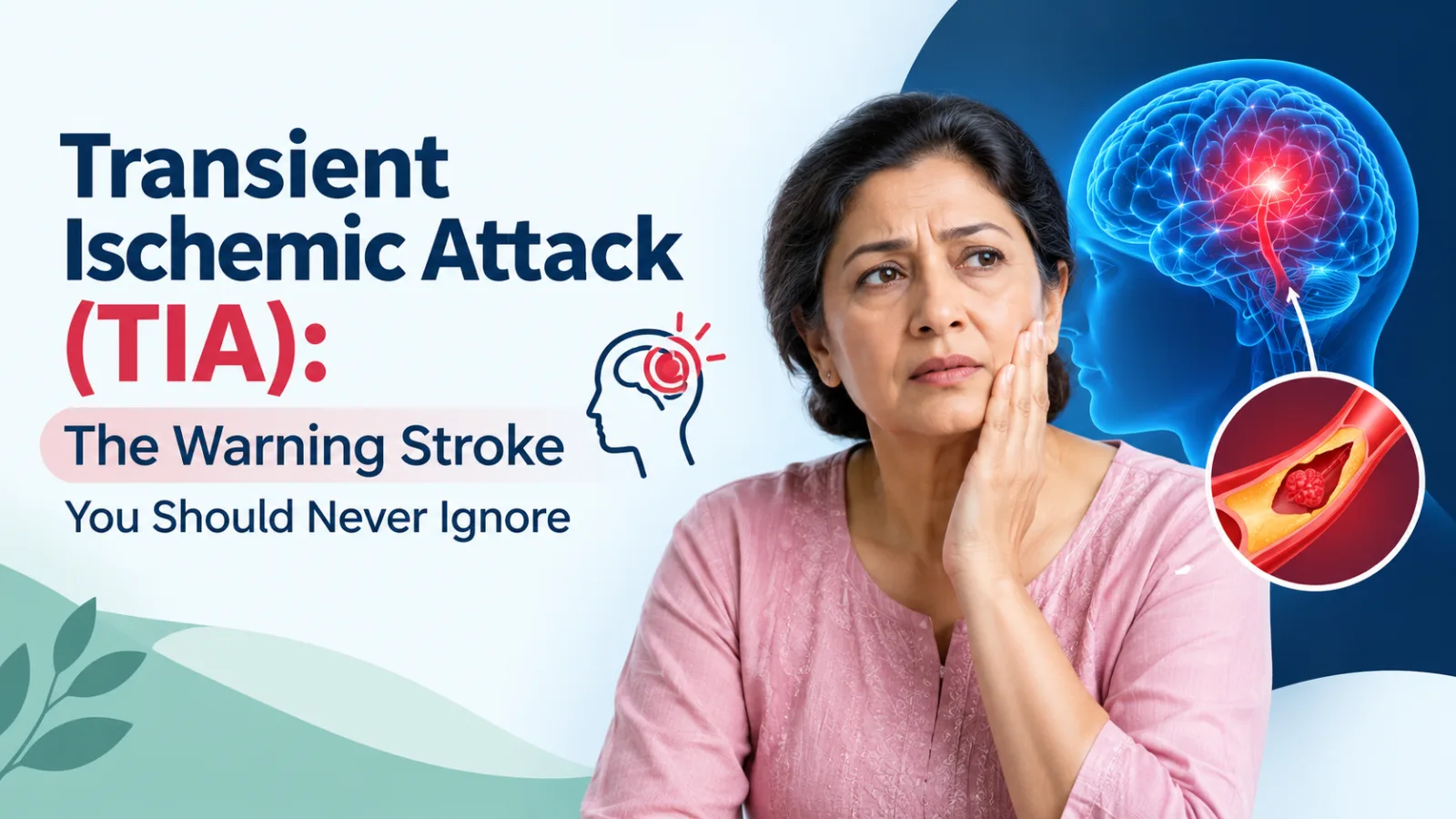
Transient Ischemic Attack (TIA): The Warning Stroke You Should Never Ignore
A Transient Ischemic Attack (TIA) can cause sudden weakness, numbness, speech difficulty, vision changes, or dizziness that may disappear within minutes. But disappearing symptoms do not mean the danger is over. TIA can be an important warning of a future stroke. Recognizing the signs and seeking urgent medical care can help prevent serious brain damage and protect long-term health.
The clock on Rani's kitchen wall read 9:15 a.m, when she first noticed something was wrong. As she reached for her toast, it slipped from her fingers. The right side of her mouth suddenly felt numb.
Assuming she was simply tired, she brushed it off. Within a few minutes, the numbness disappeared, her speech returned to normal, and she continued with her day.
Two days later, the same thing happened again.
This time, her neighbor insisted she visit the clinic.
After a thorough medical evaluation, Rani was told she had experienced a transient ischemic attack
(TIA) commonly known as a mini-stroke.
Rani's story is more common than many people realize.
A transient ischemic attack is a temporary interruption of blood flow to part of the brain, causing stroke-like symptoms that usually last only a few minutes and resolve within 24 hours.
Although the symptoms disappear, a TIA should never be ignored.
It serves as a critical warning that the risk of a major stroke is significantly increased, particularly within the following days and weeks. Prompt medical attention can prevent permanent brain damage and save lives.
Symptoms:
● Sudden weakness or numbness of the face, arm, or leg, especially on one side of the body.
● Sudden confusion or difficulty speaking or understanding speech.
● Sudden vision loss or blurred vision in one or both eyes.
● Sudden difficulty walking, dizziness, loss of balance, or poor coordination.
● A sudden, severe headache with no obvious cause.
A simple way to recognize a possible stroke or TIA is to remember FAST:
● F – Face: Does one side of the face droop?
● A – Arms: Is one arm weak or difficult to raise?
● S – Speech: Is speech slurred or difficult to understand?
● T – Time: Call emergency medical services immediately.
Even if these symptoms disappear within minutes, they still require urgent medical evaluation.
Causes and Risk Factors:
Most TIAs occur when a blood clot temporarily blocks an artery supplying blood to the brain. The clot often dissolves or moves away before permanent damage occurs, causing symptoms to resolve quickly. However, the underlying condition remains and requires treatment.
Several factors increase the risk of experiencing a TIA, including:
● High blood pressure (hypertension): The most important modifiable risk factor for both TIA and
stroke.
● Atrial fibrillation: An irregular heart rhythm that can allow blood clots to form and travel to the
brain.
● Atherosclerosis: Narrowing of the carotid or brain arteries due to cholesterol plaque buildup.
● Diabetes: Long-term high blood sugar damages blood vessels and increases stroke risk.
● High cholesterol: Promotes plaque formation within arteries.
● Smoking: Damages blood vessels and increases blood clot formation.
● Obesity and physical inactivity: Contribute to several cardiovascular risk factors.
● Excessive alcohol consumption and certain recreational drugs: Increase stroke risk.
● Advancing age and family history: Both contribute to an individual's overall risk.
Many people have more than one of these risk factors, making regular health screening especially
important.
Prevention Tips:
The good news is that many TIAs and strokes can be prevented through healthy lifestyle choices and
proper medical management.
You can lower your risk by:
● Keeping your blood pressure under control through regular monitoring and treatment.
● Managing diabetes by maintaining healthy blood sugar levels.
● Taking medications for atrial fibrillation or other heart conditions exactly as prescribed.
● Quitting smoking.
● Lowering cholesterol through a heart-healthy diet and prescribed medications when needed.
● Maintaining a healthy body weight.
● Engaging in at least 150 minutes of moderate physical activity each week.
● Eating a balanced diet rich in fruits, vegetables, whole grains, lean proteins, and healthy fats
while limiting salt, processed foods, and trans fats.
● Limiting alcohol intake.
● Attending regular medical check-ups and taking prescribed medications consistently.
When Should You See a Doctor?
Seek immediate emergency medical care if you or someone around you develops sudden facial
drooping, arm weakness, speech difficulty, vision changes, or any other symptoms suggestive of a stroke or TIA.
Importantly, never ignore symptoms simply because they disappear. A TIA is a medical emergency and often precedes a major stroke.
After the initial emergency assessment, follow-up with your primary care physician or neurologist is
essential to identify the underlying cause and prevent future events. Even individuals with multiple stroke risk factors but no symptoms should undergo regular health assessments.
Treatment and Management:
The goal of treatment following a TIA is to identify the cause quickly and reduce the likelihood of a future stroke.
During the initial assessment, doctors typically perform:
● A neurological examination.
● Brain imaging such as a CT scan or MRI.
● Blood tests.
● An electrocardiogram (ECG).
● Carotid artery imaging to evaluate blood flow.
Depending on the underlying cause, treatment may include:
● Antiplatelet medications such as aspirin or clopidogrel.
● Anticoagulant medications for patients with atrial fibrillation.
● Carotid endarterectomy or carotid artery stenting for selected patients with significant
narrowing of the carotid arteries.
● Long-term management of blood pressure, cholesterol, diabetes, and lifestyle risk factors.
Although TIAs usually do not leave permanent neurological deficits, some individuals may experience subtle cognitive, speech, or balance difficulties. In such cases, rehabilitation through physiotherapy,
occupational therapy, or speech therapy may be beneficial.
Most importantly, rapid diagnosis and timely treatment can dramatically reduce the risk of a disabling
stroke.
GEWO Health Message:
At GEWO Health, we believe that even brief symptoms deserve serious attention. A transient ischemic attack is your body's warning that something is wrong and acting quickly can make all the difference. If you or someone around you experiences sudden weakness, facial drooping, difficulty speaking, or vision changes, don't wait for the symptoms to pass. Seek immediate medical care. Early diagnosis, appropriate treatment, and healthy lifestyle changes can significantly reduce the risk of a future stroke and help protect lifelong brain health.
Medical Disclaimer:
This article is intended for general educational purposes only and should not replace professional
medical advice, diagnosis, or treatment. If you suspect that you or someone else is experiencing a
transient ischemic attack or stroke, contact your local emergency medical services or seek immediate medical attention. Always consult a qualified healthcare professional for advice specific to your health.