Disease Prevention
Swollen Ankles and Pitting Edema: What Could They Mean?
Swollen ankles are common, but persistent or pitting swelling can sometimes signal an underlying health problem. Causes may include prolonged sitting, high salt intake, vein problems, certain medicines, heart, kidney, liver or thyroid conditions, and blood clots. Learn what pitting edema means, simple prevention tips, warning signs, and when medical evaluation is important. Sudden one-sided swelling with pain or breathing difficulty needs urgent attention.
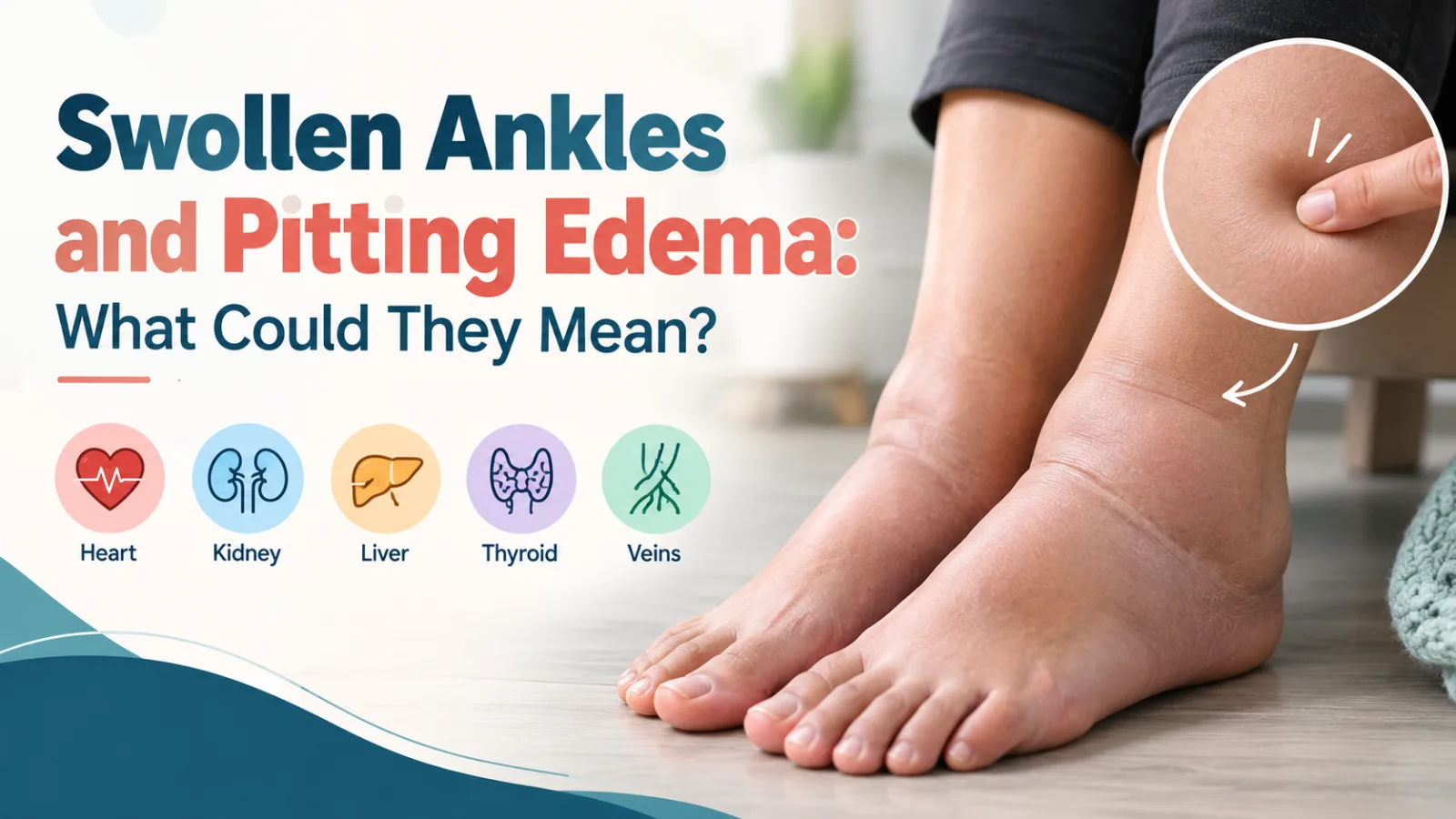
Swollen ankles are common and may occur after standing for a long time, sitting during travel, sedentary lifestyle, experiencing an injury, or being exposed to hot weather or underlying medical condition. The medical term for swelling caused by excess fluid in the tissues is oedema or edema. When pressing the swollen skin leaves a temporary dent, the condition is called pitting edema. Mild, short-lasting swelling is often harmless. However, persistent, sudden, painful, or unexplained ankle swelling may sometimes be linked to problems involving the veins, heart, kidneys, liver, thyroid, or lymphatic system. Swelling is a symptom not a diagnosis, so its meaning depends on how it started, whether one or both legs are affected, and whether other symptoms are present.
Symptoms of Swollen Ankles and Pitting Edema:
Swelling may affect one ankle, both ankles, the feet, or the lower legs. Common symptoms include:
● Puffiness or enlargement around the ankle or foot.
● Skin that appears shiny, stretched, or unusually tight.
● A feeling of heaviness, tightness, discomfort, or reduced flexibility.
● Shoes, socks, or anklets becoming tighter than usual.
● Difficulty walking when swelling is severe.
● Skin that feels warmer or looks red, especially when infection, inflammation, or injury is present.
But to check for pitting edema, gently press a finger on the swollen area usually above the ankle or over the shin for a few seconds. If a dent remains briefly after releasing the pressure, it may be pitting edema. Do not repeatedly press a painful, red, or injured area, and do not rely on this simple check to determine the cause.
Pitting edema commonly occurs when fluid accumulates because of increased pressure in the veins, excess body fluid, or reduced drainage through the lymphatic system. It can be associated with venous insufficiency, heart failure, kidney or liver disease, blood clots, thyroid disorders, and certain medicines.
Causes and Risk Factors:
Everyday and temporary causes- Ankle swelling can occur after:
● Standing or sitting in the same position for several hours.
● Long-distance travel by aeroplane, bus, or car.
● Physical inactivity or limited leg movement.
● Eating a high-salt diet.
● Hot weather.
● Pregnancy, when fluid retention and pressure on the veins may increase.
● Being overweight or living with obesity.
These causes often produce mild swelling in both legs that improves with movement, rest, or elevation. Nevertheless, recurrent swelling should not automatically be dismissed as a lifestyle issue.
❖Injury, infection or inflammation: A sprain, fracture, muscle injury, insect bite or local inflammation may cause swelling near one ankle. An infection such as cellulitis may cause redness, warmth, tenderness, fever, or rapidly worsening swelling. These symptoms require medical assessment, particularly in people with diabetes or reduced immunity.
❖ Vein and circulation problems: The veins in the legs contain valves that help return blood to the heart. If these valves become weak, blood may pool in the lower limbs, causing ankle swelling, aching, visible varicose veins, skin darkening, or itching. This is known as chronic venous insufficiency. A blood clot in a deep vein called deep-vein thrombosis or DVT, may cause sudden swelling, usually in one leg, accompanied by pain, warmth, tenderness, or redness. A DVT can be dangerous because the clot may travel to the lungs.
❖ Heart, kidney, liver, and thyroid conditions: Heart failure can cause fluid to build up in the feet and ankles, often along with breathlessness, tiredness, reduced exercise tolerance, or rapid weight gain. Kidney disease may cause the body to retain salt and water; swelling may also occur around the eyes or in other parts of the body. Liver disease can reduce the production of proteins that help keep fluid inside blood vessels, leading to swelling and sometimes abdominal enlargement.
❖ An underactive thyroid, or hypothyroidism, may also contribute to swelling, although the swelling is not always pitting. These medical conditions cannot be diagnosed from ankle swelling alone; a healthcare professional may need to perform an examination and order blood or urine tests.
❖ Medicines and pregnancy-related concerns: Some medicines can cause ankle swelling, including certain calcium-channel-blocker blood-pressure medicines, hormones, steroids, and some antidepressants. Do not stop prescribed medicines without speaking with your doctor. During pregnancy, mild ankle swelling may be common. However, sudden or marked swelling especially involving the face or hands together with severe headache, visual changes, upper abdominal pain, or high blood pressure may indicate pre-eclampsia and needs urgent medical attention.
Prevention Tips:
Not every cause of edema can be prevented, but the following measures may reduce mild, recurrent swelling:
● Avoid sitting or standing continuously; move your ankles and walk for a few minutes every hour. ● Elevate your legs above heart level for short periods when resting.
● Reduce excess salt in meals and limit highly processed foods.
● Maintain a healthy weight through gradual, sustainable lifestyle changes.
● Wear comfortable footwear and avoid tight socks or clothing around the legs.
● Stay adequately hydrated unless your doctor has advised fluid restriction.
● During travel, move your feet, stretch your legs, and walk periodically when safe.
● Protect your feet from cuts, burns, and insect bites, especially if you have diabetes.
● Ask a healthcare professional whether compression stockings are suitable. They may not be appropriate for everyone, particularly people with certain arterial circulation problems.
When to Consult a Doctor?
Arrange a medical appointment if swelling:
- Persists for more than a few days or keeps returning.
- Gradually worsens or affects both legs without an obvious explanation.
- Occurs with tiredness, breathlessness, reduced urination, weight gain, abdominal swelling, or changes in the skin.
- Develops after starting or changing a medicine.
- Is associated with diabetes, heart disease, kidney disease, liver disease, thyroid disease, or pregnancy. Seek urgent medical care for sudden swelling and pain in one leg, especially with redness or warmth. Call emergency services immediately if ankle or leg swelling occurs with chest pain, sudden breathlessness, coughing blood, fainting, or severe dizziness, because these may indicate a clot affecting the lungs.
Treatment Awareness:
➔ Treatment depends on the underlying cause.
➔ A clinician may review your medical history and medicines, examine your heart and circulation, and check blood pressure. Depending on the situation, tests may include blood and urine tests, an electrocardiogram, chest imaging, or an ultrasound scan of the leg veins.
➔ Mild swelling caused by prolonged sitting may improve with movement, leg elevation, and reducing excess salt.
➔ A sprain may require rest, appropriate support, and rehabilitation. Venous disease may be managed with exercise, leg elevation, skin care, and medically advised compression.
➔ Heart, kidney, liver, thyroid, infection, and clot-related causes require condition-specific treatment.
➔ Diuretics, sometimes called water tablets, may be prescribed for selected conditions, but they are not suitable for every type of swelling and should never be self-started.
➔ Avoid taking someone else’s medicine or using herbal “water-loss” products without medical advice.
GEWO Health Message:
Swollen ankles are common, but persistent or pitting swelling deserves attention. Notice whether it affects one or both legs, when it began, what makes it better or worse, and whether pain, redness, breathlessness, or other symptoms are present. Early medical evaluation can help identify treatable causes and prevent complications.
Medical Disclaimer:
This article is intended for general education and does not replace an examination, diagnosis, or treatment plan from a qualified healthcare professional. Pitting edema can have many causes, ranging from temporary fluid retention to conditions requiring urgent care. If swelling is sudden, severe, painful, associated with breathing difficulty, or occurs during pregnancy with concerning symptoms, seek medical help promptly.