Mental Health
Stress and Sleep: How They Affect Each Other and Why Sleep Matters for Recovery
Stress and sleep affect each other in a powerful cycle. Ongoing stress can make it difficult to fall or stay asleep, while poor sleep can increase irritability, anxiety, and difficulty coping with daily challenges. Learn practical ways to protect your sleep, manage stress, recognise persistent sleep problems, and understand when professional support may be helpful. Small, consistent habits can support better sleep, recovery, mood, and overall well-being.
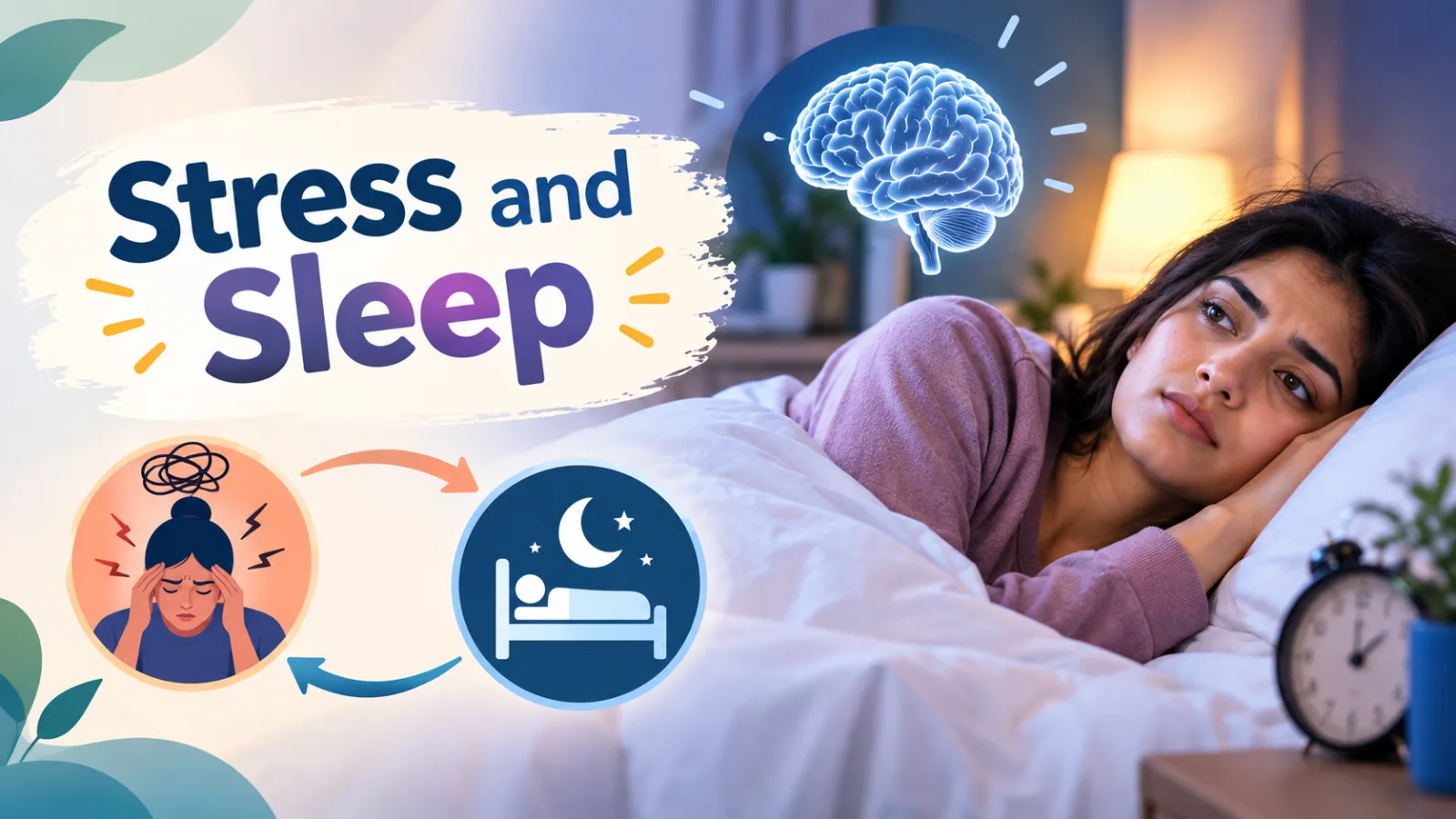
Stress and sleep are tightly linked: ongoing stress makes it harder to fall and stay asleep, while poor sleep leaves your brain and body less able to handle stress. Good-quality sleep is one of the most powerful tools your body has to recover from daily strain, illness, and emotional challenges.
Introduction:
Everyone experiences stress from work deadlines and family responsibilities to health worries and financial pressures. In small doses, stress can be helpful, sharpening focus and energy. But when stress becomes frequent or long-lasting, it often disrupts sleep. This creates a cycle: stress disturbs sleep, and poor sleep makes you more sensitive to stress the next day. Sleep is not just “rest.” It is an active recovery period when your brain clears waste, balances mood chemicals, and resets stress hormones like cortisol. Your body also repairs tissues, strengthens immunity, and restores energy stores. Without enough deep, restful sleep, these recovery processes are incomplete, and you may feel more anxious, irritable, and physically run down.
Symptoms of Stress-Related Sleep Problems
Stress-related sleep issues can show up in several ways:
● Difficulty falling asleep, often taking more than 20–30 minutes to drift off.
● Waking up multiple times during the night and struggling to fall back asleep.
● Waking too early (for example, between 2–5 a.m.) with a racing mind.
● Light, fragmented sleep that never feels deep or refreshing.
● Feeling tired, “wired but exhausted,” or emotionally on edge despite spending 7–8 hours in bed.
● Nighttime physical symptoms such as a racing heart, shallow breathing, muscle tension, or night sweats.
● Daytime problems like poor concentration, memory slips, irritability, low motivation, or increased errors at work or while driving.
If these patterns happen most nights for several weeks, stress and sleep may be feeding into each other in a harmful cycle.
Causes and Risk Factors:
Several factors can increase the risk of stress-related sleep problems:
● Chronic psychological stress: Ongoing work pressure, caregiving responsibilities, relationship conflicts, or financial strain keep the body in a constant “fight-or-flight” mode, raising cortisol and adrenaline at night.
● Mental health conditions: Anxiety, depression, and trauma-related disorders often disturb sleep and are themselves worsened by poor sleep.
● Irregular schedules: Shift work, frequent travel across time zones, or highly variable bedtimes disrupt the body’s internal clock.
● Stimulants and substances: Caffeine (especially after mid-afternoon), nicotine, some medications, and alcohol close to bedtime can fragment sleep.
● Medical conditions: Pain, thyroid problems, asthma, reflux, and sleep disorders like sleep apnea can all interfere with restful sleep and amplify stress.
● Lifestyle factors: Heavy evening screen use, late-night work, and lack of physical activity or daylight exposure can weaken sleep signals.
Over time, this combination can create a self-reinforcing loop where stress impairs sleep, and poor sleep reduces your ability to cope with future stressors.
How To Protect Your Sleep Under Stress:
You cannot eliminate all stress, but you can reduce its impact on sleep with consistent habits:
● Keep a regular sleep schedule: Go to bed and wake up at similar times every day, even on weekends, to stabilize your internal clock.
● Create a wind-down routine: Spend 30-60 minutes before bed on calming activities such as reading, gentle stretching, breathing exercises, or listening to soft music.
● Limit screens and bright light: Reduce phone, laptop, and TV use at least an hour before bed; use night-mode settings if you must use devices.
● Watch caffeine, nicotine, and alcohol: Avoid caffeine after early afternoon, and limit alcohol and nicotine in the evening, as they can fragment sleep.
● Move your body daily: Regular physical activity (even a 20–30 minute walk) reduces stress and improves sleep quality, but avoid very intense exercise right before bed.
● Manage worries earlier: Set aside a “worry time” in the early evening to write down concerns and
possible next steps, so your brain is less likely to ruminate in bed.
● Optimize your sleep environment: Keep your bedroom cool, dark, and quiet; use your bed mainly for sleep and intimacy, not work or scrolling.
These steps support your body’s natural ability to downshift from stress mode into restorative sleep.
When to Consult a Doctor?
Consider speaking with a healthcare professional if:
● Sleep problems occur at least three nights a week for three months or more.
● You regularly feel excessively sleepy, irritable, or unable to function during the day.
● You suspect anxiety, depression, or trauma may be contributing.
● You have loud snoring, gasping, or pauses in breathing during sleep (possible sleep apnea).
● You rely on alcohol, over-the-counter sleep aids, or sedatives to fall asleep.
● Stress and poor sleep are affecting your work, relationships, or safety (for example, drowsy driving).
A doctor can help identify underlying causes, review medications, and suggest appropriate treatments or referrals.
Treatment Awareness:
Effective treatments for stress-related sleep problems may include:
● Cognitive Behavioral Therapy for Insomnia (CBT-I): A structured, evidence-based therapy that helps
change unhelpful thoughts and behaviors around sleep. It is often more effective long-term than sleeping pills.
● Stress-management therapies: Counseling, mindfulness-based stress reduction, and relaxation training can lower nighttime arousal.
● Medications (when needed): Short-term use of sleep medicines or treatments for anxiety/depression may
be considered under medical supervision, but they are not a standalone solution for chronic stress-related insomnia.
● Treatment of underlying conditions: Addressing pain, thyroid issues, reflux, or sleep apnea can
significantly improve sleep and stress levels.
Combining better sleep habits with psychological support usually gives the best results.
GEWO Health Message:
At GEWO Health, we believe small, consistent habits can break the stress–sleep cycle and support long-term recovery. Start with one change this week: a regular bedtime, a 10-minute wind-down routine, or a daily walk. Track how you feel, and build from there. Your sleep is a pillar of health. Protect it like you would your diet or exercise.
Medical Disclaimer:
This article is for general information and education only and does not replace professional medical advice, diagnosis, or treatment. Always seek the guidance of your doctor or other qualified health provider with any questions you may have regarding a medical condition or sleep problems. Do not disregard professional medical advice or delay seeking care because of something you have read here.