Disease Prevention
Migraine: Is Not Just a Headache
Migraine is more than just a headache—it is a neurological condition that can cause severe pain, nausea, sensitivity to light and sound, and sometimes visual or other neurological symptoms. This article explains common migraine triggers, symptoms, prevention strategies, treatment options, and warning signs that need medical attention. Understanding your triggers and tracking symptoms can help improve migraine management and quality of life.
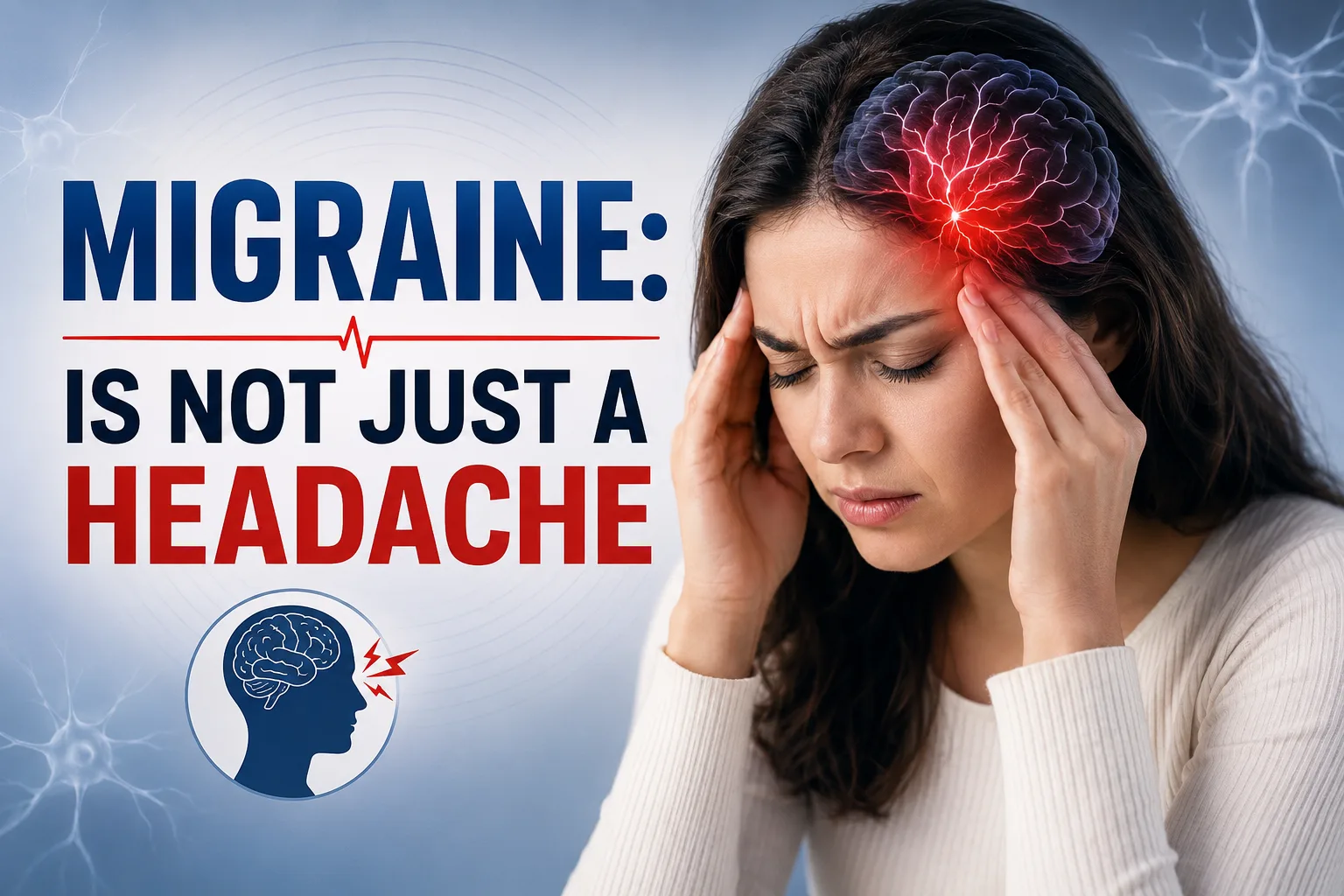
If you've ever been told to "just take a pill and rest" during a migraine attack, you know how frustrating it can be. Because migraine is far more than a bad headache, it's a complex neurological disorder that affects how your brain processes pain, light, sound, and even emotions. Understanding migraine as a brain condition, not just head pain, is the first step toward better management and quality of life.
What Is a Migraine?
Migraine is a chronic neurological condition characterized by recurrent episodes of moderate to severe headache, often accompanied by nausea, vomiting, and heightened sensitivity to light, sound, or smells. Unlike tension headaches, which feel like a tight band around the head, migraine pain is typically throbbing or pulsating and often affects one side of the head. A migraine attack can last anywhere from 4 to 72 hours if untreated, and for many people, it's disabling enough to disrupt work, family life, and daily activities. Some people also experience "aura", a temporary neurological symptom such as visual changes (flashing lights, blind spots), tingling sensations, or difficulty speaking before the headache begins.
Recognizing the Symptoms:
Migraine symptoms vary from person to person, but the hallmark features include:
● Headache characteristics: Moderate to severe intensity, throbbing or pulsating quality, often one-sided, worsened by routine physical activity.
● Associated symptoms: Nausea or vomiting, sensitivity to light (photophobia), sensitivity to sound (phonophobia), sensitivity to smells (osmophobia).
● Neurological symptoms: Dizziness, numbness in arms or face, fatigue, temporary visual disturbances or speech difficulty (aura).
● Other features: Lack of appetite, neck stiffness, mood changes before or during the attack.
It's important to note that not everyone experiences all these symptoms, and some people have migraines without significant headache pain, just the neurological and sensory symptoms.
What Causes Migraine?
Migraine is believed to result from abnormal brain activity that affects nerve signals, chemicals, and blood vessels in the brain. While the exact cause isn't fully understood, research shows that migraine involves changes in brain pathways and an imbalance of neurotransmitters like serotonin.
Common Risk Factors and Triggers:
Several factors can increase your susceptibility to migraine or trigger an attack:
● Genetics: Migraine often runs in families, if a parent has migraine, you are more likely to have it too.
● Hormonal changes:Fluctuations in estrogen levels during menstruation, pregnancy, or menopause can trigger attacks, which is why migraine is more common in women.
● Stress: Both high stress and the "let-down" period after stress can precipitate migraine.
● Sleep disturbances: Irregular sleep schedules, sleep deprivation, or oversleeping.
● Dietary triggers: Aged cheese, processed meats (containing nitrites), alcohol (especially red wine), caffeine (both excess and withdrawal), skipped meals, and dehydration.
● Environmental factors:Bright or flickering lights, strong odors, loud noises, sudden weather changes.
● Medical conditions: Depression, anxiety, bipolar disorder, sleep disorders, and epilepsy are associated with higher migraine risk.
Prevention Tips:
While you may not be able to eliminate migraine entirely, evidence-based strategies can significantly reduce the frequency and severity of attacks:
Lifestyle Modifications-
● Maintain regular sleep: Aim for 7–8 hours of sleep nightly and wake up at the same time every day, even on weekends.
● Stay hydrated:Drink water consistently throughout the day; dehydration is a well-known trigger.
● Eat regularly: Don't skip meals. Include morning protein and avoid known food triggers.
● Exercise gently: Regular, moderate activity like walking or swimming can help, but avoid intense exercise right before bed.
● Manage stress:Practice relaxation techniques such as deep breathing, meditation, yoga, or cognitive behavioral therapy (CBT).
● Limit caffeine: Keep intake moderate and consistent, both too much and sudden withdrawal can trigger attacks.
● Keep a headache diary: Track symptoms, potential triggers, and attack patterns to identify your personal triggers.
Supplements and Natural Approaches- Some evidence supports the use of magnesium supplements for migraine prevention, as many people with migraine have low magnesium levels. Other options like riboflavin (vitamin B2) and coenzyme Q10 may also help, though you should discuss these with your doctor before starting.
When to Consult a Doctor?
Seek medical attention if you experience any of the following:
● Frequent attacks: Four or more migraine days per month, or headaches that significantly impair your daily life.
● Medication overuse: Using acute medications (including over-the-counter pain relievers or triptans) more than 2-3 days per week, this can lead to medication-overuse headaches.
● Changing patterns:Your headaches are becoming more frequent, severe, or different in character.
● Ineffective treatment: Over-the-counter medications no longer provide adequate relief.
Red flag symptoms requiring urgent care:
● Sudden, severe "worst headache of your life".
● Headache with fever and stiff neck.
● Headache after a head injury.
● New neurological symptoms like weakness, confusion, or difficulty speaking.
Treatment Awareness:
Migraine treatment falls into two categories: acute (abortive) treatment to stop an attack in progress, and preventive treatment to reduce frequency and severity.
1. Acute Treatments:
● Over-the-counter options: NSAIDs (ibuprofen, naproxen), acetaminophen, or combination products with caffeine.
● Triptans: Prescription medications that target serotonin receptors to constrict blood vessels and block pain pathways.
● Antiemetics: Medications to control nausea and vomiting.
● Gepants: Newer oral medications (like rimegepant) that can be used for acute treatment.
2. Preventive Treatments:
Preventive therapy is recommended when you have frequent or disabling attacks despite good acute treatment.
● First-line preventives: Beta-blockers (propranolol), anticonvulsants (topiramate), or certain antidepressants (amitriptyline).
● CGRP-targeted therapies: Monoclonal antibodies (erenumab, fremanezumab, galcanezumab) and oral gepants (atogepant, rimegepant) represent newer, highly effective options for prevention.
● Botulinum toxin type A: For chronic migraine (15 or more headache days per month) after other preventives have failed.
● Non-drug approaches: Biofeedback, cognitive behavioral therapy, and neuromodulation devices ● The choice of treatment depends on your specific symptoms, attack frequency, other health conditions, and personal preferences. Working with a neurologist or headache specialist can help you develop a personalized migraine action plan.
GEWO Health Message.
At GEWO Health, we believe that understanding migraine as a neurological disorder, not just a headache, is essential for effective management and improved quality of life. We encourage you to:
➢ Track your symptoms using a headache diary to identify patterns and triggers.
➢ Build a supportive care team including a neurologist, primary care physician, and pharmacist.
➢ Stay informed about new treatment options and evidence-based prevention strategies.
➢ Practicing self-compassion migraine is a real medical condition, and it's okay to rest and seek help when you need it.
➢ Connect with others living with migraine through support groups or online communities.
Remember: You're not alone, and effective help is available.
Medical Disclaimer:
This article is for informational and educational purposes only and does not constitute medical advice, diagnosis, or treatment. Always seek the advice of a qualified healthcare professional for any questions you may have regarding a medical condition. Never disregard professional medical advice or delay seeking care because of something you have read in this article. Migraine management should be individualized under the guidance of a licensed physician.