Wellness
Insomnia: A Patient-Friendly Guide to Better Sleep
Insomnia is more than an occasional sleepless night. Difficulty falling asleep, staying asleep, or waking too early can affect energy, concentration, mood, and daily life. Consistent sleep habits, a calming bedtime routine, limiting caffeine and screens, and a comfortable sleep environment can support better rest. If sleep problems persist or affect your daily functioning, consult a healthcare professional to identify the cause and explore appropriate treatment options.
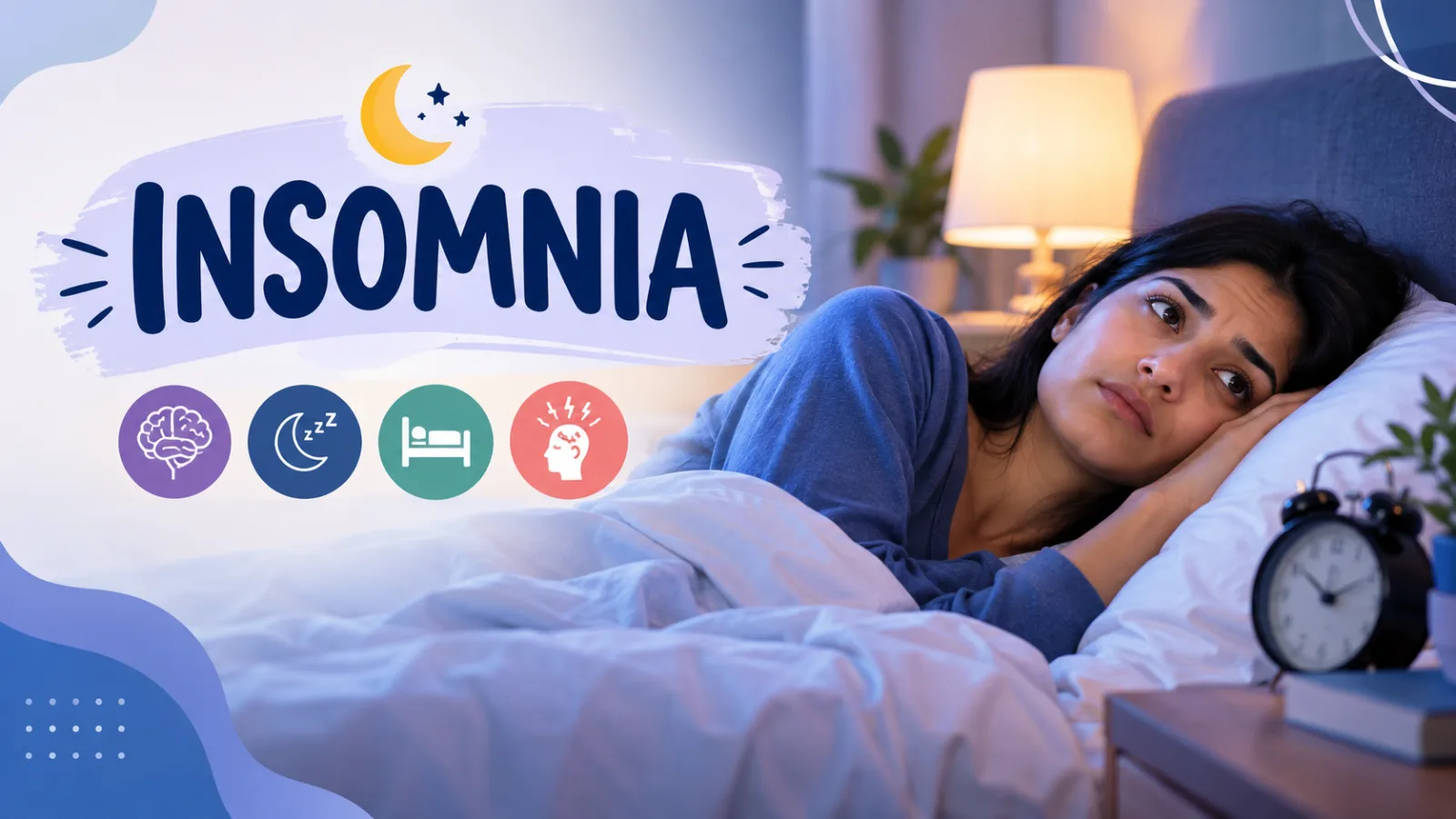
Insomnia is more than just “a bad night’s sleep.” It is a common sleep disorder where people have trouble falling asleep, staying asleep, or waking up too early and not feeling refreshed. Occasional sleepless nights happen to almost everyone, but when sleep problems occur at least three nights a week for three months or more and affect
daytime functioning, it is considered chronic insomnia. The good news: most cases improve with the right habits, support, and, when needed, medical care.
Symptoms:
You may be experiencing insomnia if you notice one or more of the following on a regular basis:
● Difficulty falling asleep at night (lying awake for 30 minutes or more).
● Waking up often during the night and struggling to fall back asleep.
● Waking up too early and being unable to sleep again.
● Feeling tired, groggy, or unrefreshed in the morning.
● Daytime sleepiness, low energy, or fatigue.
● Trouble concentrating, memory lapses, or “brain fog”.
● Irritability, mood swings, anxiety, or low mood.
● Worrying about sleep or dreading bedtime.
● Reduced performance at work, school, or in daily tasks.
If these issues persist and affect your quality of life, it is important to take them seriously.
Causes and Risk Factors:
Insomnia is often a symptom of an underlying issue rather than a standalone disease. Common causes and risk factors include:
Psychological factors-
● Stress, anxiety, depression, PTSD, or other mental health conditions.
Lifestyle and habits-
● Irregular sleep schedule (different bed/wake times daily).
● Excessive screen time or stimulating activities before bed.
● Caffeine (tea, coffee, energy drinks) late in the day.
● Alcohol or nicotine use near bedtime.
● Long or late afternoon naps.
Medical conditions-
● Chronic pain, asthma, heart disease.
● Menopause, thyroid problems.
● Restless legs syndrome, sleep apnea.
● Frequent nighttime urination or incontinence.
Medications-
● Some antidepressants, steroids, blood pressure medicines, asthma inhalers, and decongestants can disrupt sleep.
Environment-
● Noisy, bright, or uncomfortable bedroom.
● Extreme room temperatures or poor ventilation.
Other factors-
● Shift work, jet lag, or irregular work hours.
● Being a naturally “light sleeper”.
● Financial or relationship stress.
Prevention Tips or Sleep Hygiene:
Good “sleep hygiene” means daily habits that support healthy sleep. Evidence-based tips include:
Keep a consistent schedule-
● Go to bed and wake up at the same time every day, even on weekends (within 30 minutes).
● Avoid long or late naps; if needed, limit to 20-30 minutes before 3 PM.
Create a wind-down routine-
● Spend 30–60 minutes before bed on calming activities: reading, gentle stretching, breathing exercises, or a warm shower.
● Avoid work, intense discussions, or emotionally upsetting content before sleep.
Optimize your bedroom-
● Keep the room cool (around 16–19°C / 60–67°F), dark, and quiet.
● Use comfortable bedding and breathable sleepwear.
● Reserve the bed for sleep and intimacy only no phones, TV, or work.
Manage light and screens-
● Get bright natural light within 30 minutes of waking to set your body clock.
● Avoid screens (phones, tablets, TV) for 1-2 hours before bed, or use blue-light filters and low brightness.
Watch what you consume-
● Avoid caffeine after early afternoon (ideally by 12-2 PM).
● Limit alcohol within 3 hours of bedtime; it may help you fall asleep but disrupts deep sleep later.
● Avoid heavy meals, spicy foods, or large fluid intake 2–3 hours before bed.
Stay active-
● Exercise regularly (at least 4 days/week), but finish vigorous workouts 4+ hours before bedtime.
● Gentle evening yoga or stretching can be helpful.
If you can’t sleep-
● If you’re awake for more than 20 minutes, get out of bed, do a quiet activity in dim light, and return only when sleepy.
● Avoid clock-watching; turn clocks away from your line of sight.
When to Consult a Doctor?
Not all sleep trouble needs medical treatment, but you should see a healthcare provider if:
● Sleep problems occur ≥3 nights/week for ≥3 months and affect daily life.
● You feel excessive daytime sleepiness, fatigue, or mood changes.
● You rely on over-the-counter sleep aids, alcohol, or other substances to sleep.
● You snore loudly, gasp, or stop breathing during sleep (possible sleep apnea).
● You have leg discomfort at night (possible restless legs syndrome).
● Anxiety about sleep itself is becoming severe.
● Your work, relationships, or safety (e.g., driving) are affected.
A doctor can check for underlying conditions, review medications, and guide you to the right treatment.
Treatment Awareness:
Effective treatments for insomnia include:
Cognitive Behavioral Therapy for Insomnia (CBT-I)-
● First-line treatment for chronic insomnia; a structured 6-8 week program that changes unhelpful thoughts and behaviors around sleep.
● Often available via trained psychologists, sleep clinics, or digital programs. Medications (used cautiously and short-term)-
● Non-controlled options: trazodone, hydroxyzine, gabapentin (often via telehealth).
● Controlled options: benzodiazepine receptor agonists (e.g., zolpidem/Ambien, eszopiclone/Lunesta) or orexin antagonists (e.g., daridorexant/Quviviq), usually prescribed by specialists for specific cases.
● Melatonin may help with sleep timing (e.g., jet lag, shift work) but is not a strong sleeping pill.
Treating underlying causes-
● Managing anxiety/depression, pain, menopause symptoms, thyroid issues, or sleep apnea can significantly improve sleep.
Important: Never start, stop, or change sleep medications without medical advice. Long-term use of some sleep drugs can cause dependence, tolerance, or side effects.
GEWO Health Message:
At GEWO Health, we believe restful sleep is a cornerstone of physical and mental well-being. Small, consistent changes in daily habits can make a big difference. Start with one or two sleep hygiene tips this week such as a fixed wake time and a screen-free wind-down routine and build from there. If sleep problems persist, reach out to a trusted healthcare professional. You deserve to wake up refreshed and ready for the day.
Medical Disclaimer:
This article is for general informational purposes only and does not replace professional medical advice, diagnosis, or treatment. Always seek the guidance of your physician or other qualified health provider with any questions regarding a medical condition or treatment plan. Never disregard professional medical advice or delay seeking care because of something you read here. Individual needs vary; what works for one person may not be suitable for another.