Disease Prevention
High Blood Pressure: Why “BP Rises With Age” and What You Can Do About It?
High blood pressure often becomes more common with age, but it is not something you simply have to accept. This article explains why BP can rise as blood vessels become stiffer, the risk factors and warning signs to know, and practical ways to manage it. Learn how healthy eating, regular exercise, weight control, less salt, better sleep, stress management, regular BP checks, and proper medical care can help protect your heart, brain, kidneys, and overall health.
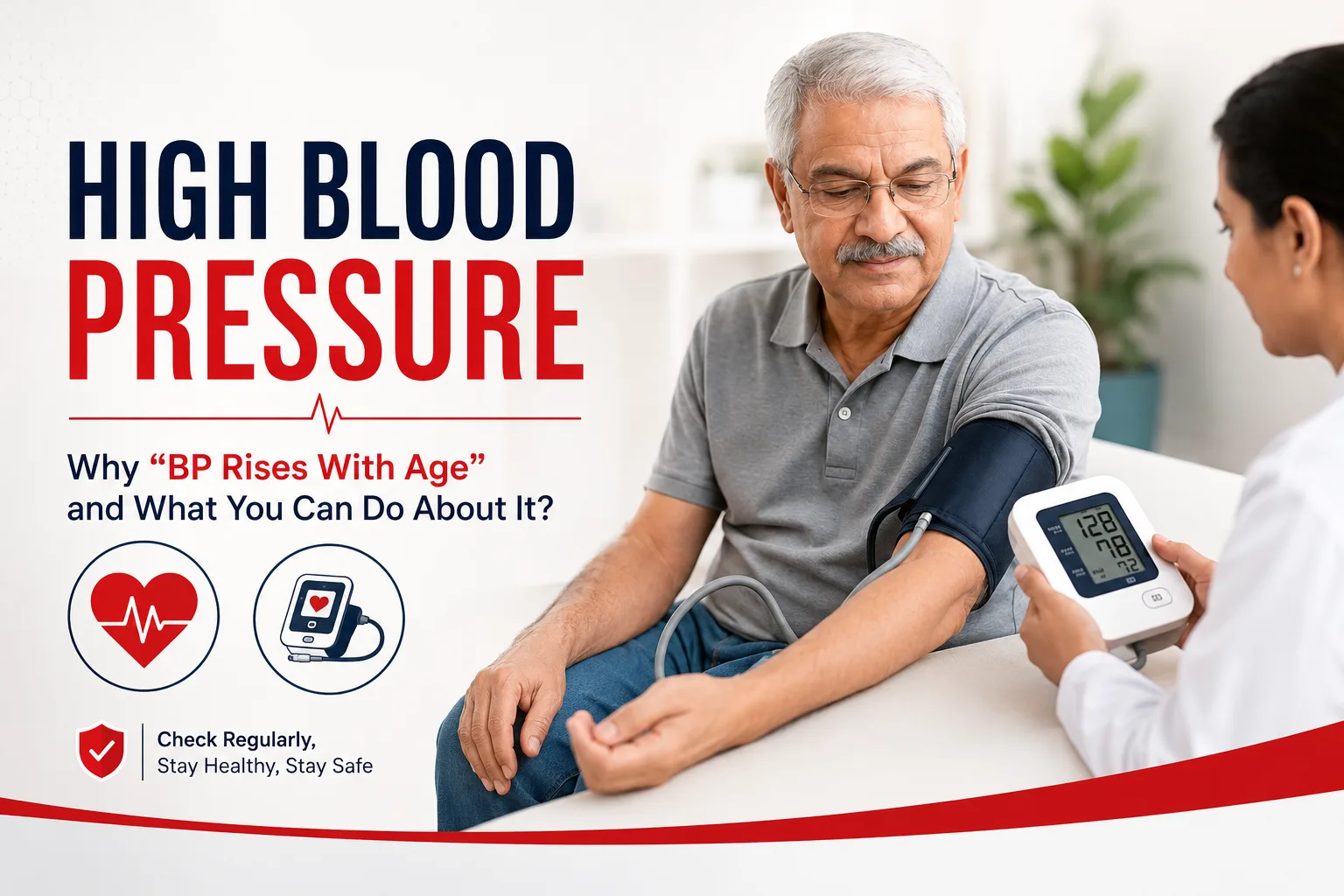
High blood pressure (hypertension) is a common condition in which the force of blood pushing against your artery walls is consistently too high. It often has no obvious symptoms, yet over time it can damage the heart, brain, kidneys, and eyes. While blood pressure can rise at any age, it becomes more common as we get older, leading to the saying, “BP rises with age.”
Introduction:
Blood pressure is the measurement of how hard your heart has to work to pump blood through your body. As we age, our blood vessels naturally become thicker and stiffer, making it harder for blood to flow smoothly. This increased resistance causes blood pressure to go up. In fact, more than half of people aged 60-69 and about three-quarters of those 70 and older have high blood pressure. The good news is that high blood pressure is preventable and manageable at any age. With the right lifestyle changes and medical care, you can significantly reduce your risk of complications like heart attack, stroke, and kidney disease.
Symptoms:
High blood pressure is often called a “silent killer” because it usually has no symptoms until it causes serious harm. Many people live with high blood pressure for years without knowing it. In some cases, when blood pressure becomes extremely high, you may experience:
● Severe headache.
● Chest pain.
● Dizziness or confusion.
● Vision changes or eye pain.
● Shortness of breath.
● Nausea or vomiting.
● Irregular heartbeat.
● Swelling in legs or feet (edema).
● Signs of stroke (sudden facial droop, slurred speech, weakness in arm or leg).
Because symptoms are uncommon, the only way to know if you have high blood pressure is to get it checked regularly.
Causes and Risk Factors:
For most people, high blood pressure doesn’t have a single clear cause. Instead, it results from a combination of genetics, aging and lifestyle factors.
Non-modifiable risk factors:
● Age: Risk increases with age as arteries stiffen. ● Family history: Having a parent or sibling with hypertension raises your risk.
● Ethnicity: People of Black African or Black Caribbean descent are at higher risk.
● Sex: Men are more likely to develop high blood pressure before age 64; women are more likely after age 65.
Modifiable risk factors:
● Overweight or obesity, especially around the waist.
● High-sodium diet and low intake of fruits and vegetables.
● Physical inactivity.
● Smoking or tobacco use.
● Excessive alcohol consumption.
● Chronic stress.
● Underlying conditions, such as diabetes, kidney disease, sleep apnea, or thyroid problems
● Some medications like certain pain relievers, cold medicines, birth control pills, and illegal drugs such as cocaine can also raise blood pressure.
Prevention tips:
● While aging is inevitable, you can take steps to keep your blood pressure in a healthy range:
● Eat a heart-healthy diet: Follow the DASH (Dietary Approaches to Stop Hypertension) diet, which emphasizes fruits, vegetables, whole grains, lean proteins, and low-fat dairy while limiting salt, red meat, and sugary foods.
● Reduce sodium intake: Aim for less than 2,300 mg of sodium per day (ideally 1,500 mg if you have hypertension).
● Stay active: Get at least 150 minutes of moderate aerobic activity (like brisk walking) per week.
● Maintain a healthy weight: Even losing 5-10% of your body weight can lower blood pressure.
● Limit alcohol: No more than one drink per day for women and two for men.
● Quit smoking: Smoking damages blood vessels and raises blood pressure.
● Manage stress: Practice relaxation techniques like deep breathing, yoga, or meditation.
● Sleep well: Treat sleep apnea if present and aim for 7-9 hours of quality sleep.
When to Consult a Doctor?
You should see a doctor if: Your blood pressure readings are consistently at or above 130/80 mm Hg. You have a family history of hypertension or heart disease. You experience symptoms like severe headache, chest pain, vision changes, or shortness of breath. You’re over 40 and haven’t had your blood pressure checked in the past year. You’re pregnant or planning pregnancy (high blood pressure can complicate pregnancy). Regular check-ups are essential, especially as you age. Early detection and treatment can prevent serious complications.
Treatment Awareness:
If lifestyle changes alone aren’t enough, your doctor may prescribe medication. Common classes of blood pressure medicines include:
➢ Diuretics (“water pills”) to help your body remove excess salt and water.
➢ ACE inhibitors and ARBs to relax blood vessels. ➢ Calcium channel blockers to reduce the heart’s workload.
➢ Beta-blockers to slow the heart rate and lower blood pressure.
Treatment is personalized based on your age, overall health, and other conditions. Never stop or change medication without consulting your doctor.
GEWO Health Message:
At GEWO Health, we believe prevention starts with awareness. High blood pressure may rise with age, but it doesn’t have to control your life. By adopting healthy habits early and staying consistent, you can protect your heart, brain, and kidneys for years to come. Remember: knowledge is power, and regular monitoring is your best defense.
Medical Disclaimer:
This article is for informational purposes only and does not constitute medical advice, diagnosis, or treatment. Always seek the guidance of your physician or other qualified health provider with any questions you may have regarding a medical condition. Never disregard professional medical advice or delay seeking it because of something you have read in this article.