Patient Education
Feeling Dizzy Standing Up?
Feeling dizzy when you stand up? It may be orthostatic hypotension—a sudden drop in blood pressure that can cause lightheadedness, blurred vision, weakness or even fainting. Dehydration, medications, prolonged inactivity and certain health conditions can contribute. Learn simple ways to reduce symptoms and when dizziness needs medical attention. Don’t ignore repeated episodes—your safety matters. 💙
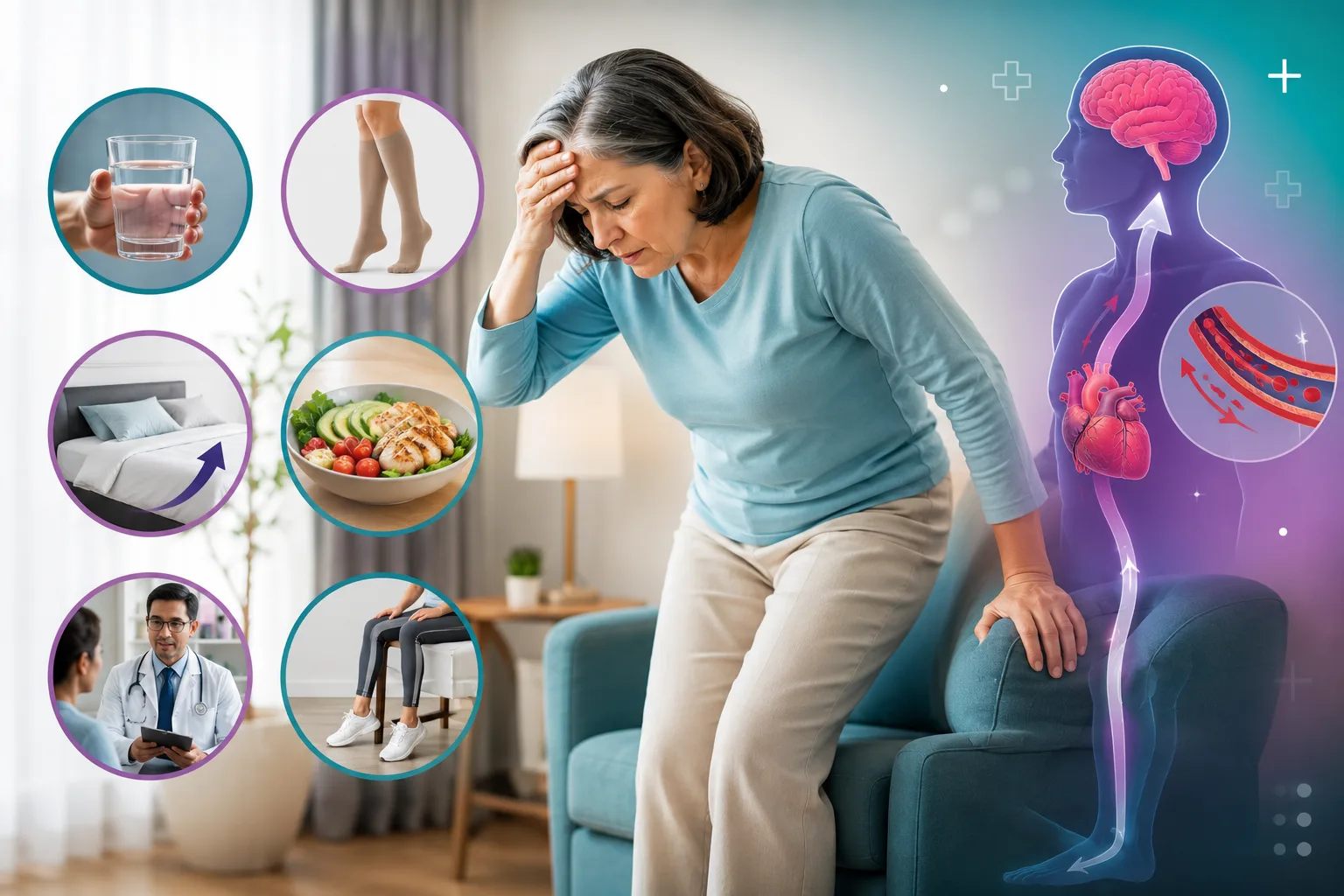
If you often feel lightheaded, woozy, or like you might faint when you get up from sitting or lying down, you could be experiencing orthostatic hypotension also called postural hypotension. This is a sudden drop in blood pressure that happens when you stand, and while it’s common, it shouldn’t be ignored.
What Is Orthostatic Hypotension?
Orthostatic hypotension occurs when your blood pressure falls significantly within a few minutes of standing. Clinically, it’s defined as a drop of at least 20 mmHg in systolic (top number) or 10 mmHg in diastolic (bottom number) blood pressure within three minutes of standing. Normally, when you stand, gravity pulls blood into your legs. Your body compensates by tightening blood vessels and slightly increasing heart rate to keep blood flowing to your brain. In orthostatic hypotension, this adjustment doesn’t happen quickly or effectively enough, leading to reduced blood flow to the brain and symptoms like dizziness.
Common Symptoms:
Symptoms usually appear soon after standing and may improve when you sit or lie down. They include:
● Dizziness or lightheadedness.
● Blurred or “tunnel” vision.
● Feeling faint or actually fainting (syncope).
● Weakness or unsteadiness.
● Headache, neck/shoulder pressure, or a “swimmy” head feeling.
● Confusion or difficulty concentrating (especially in older adults).
Some people also notice symptoms after meals, in hot environments, or after standing still for long periods.
Causes and Risk Factors:
Orthostatic hypotension can affect anyone, but it’s more common in older adults and people with certain health conditions. Key causes and risk factors include:
● Dehydration: Not drinking enough fluids, excessive sweating, vomiting, or diarrhea reduces blood volume.
● Medications: Blood pressure drugs, diuretics (“water pills”), some antidepressants, Parkinson’s medications, and drugs for erectile dysfunction can lower blood pressure.
● Heart and nerve conditions: Heart failure, arrhythmias, Parkinson’s disease, multiple system atrophy, diabetic neuropathy, and other autonomic nervous system disorders.
● Prolonged bed rest or inactivity: After illness or surgery, the body’s ability to regulate blood pressure can weaken.
● Large meals or alcohol:Heavy, carbohydrate-rich meals and alcohol can cause blood to pool in the digestive system or dilate blood vessels, worsening drops in pressure.
● Ageing: Blood vessels become less flexible, and reflexes slow with age.
● Other factors: Anemia, vitamin B12 deficiency, adrenal insufficiency, and varicose veins may contribute.
Prevention Tips:
Many cases can be managed with simple lifestyle changes. Try these evidence-based strategies:
● Rise slowly: When waking up, sit on the edge of the bed for a minute before standing. Move in stages: lie → sit → stand.
● Stay hydrated: Drink plenty of water throughout the day. In hot weather or after exercise, increase fluid intake.
● Avoid triggers: Limit alcohol, avoid very hot showers or saunas, and don’t stand still for long periods.
● Eat smaller, frequent meals: Large, heavy meals can worsen symptoms, especially in older adults.
● Compression garments: Waist-high compression stockings or abdominal binders can help prevent blood pooling in the legs (use under medical advice).
● Physical counter-maneuvers: Before standing, tense your leg and abdominal muscles, cross your legs, or squat briefly. If you feel dizzy while standing, sit or lie down immediately and elevate your legs.
● Sleep with head elevated: Raising the head of your bed by 10–20 degrees can reduce morning symptoms.
When to Consult a Doctor?
Seek medical advice if you:
● Feel lightheaded or faint when standing more than occasionally
● Have actually fainted, even briefly
● Notice blurred vision, confusion, or weakness with dizziness
● Recently started a new medication and symptoms began afterward
● Have fallen or are worried about falling
Seek urgent care if dizziness is accompanied by:
● Chest pain, shortness of breath, or irregular heartbeat.
● Severe headache, confusion, or difficulty speaking.
● Weakness or numbness on one side of the body.
● Black, tarry stools (possible internal bleeding).
● Signs of severe dehydration (very dark urine, minimal urination, extreme thirst).
Your doctor may check your blood pressure lying down and standing, review medications, and order blood tests or heart evaluations to identify underlying causes.
Treatment Awareness:
Treatment depends on the cause and severity. Options include:
● Medication review: Adjusting or changing drugs that lower blood pressure.
● Treating underlying conditions: Managing diabetes, heart disease, anemia, or neurological disorders.
● Lifestyle measures: As described above hydration, slow position changes, compression garments, and diet modifications.
● Medications for blood pressure support: In persistent or severe cases, doctors may prescribe fludrocortisone, midodrine, or droxidopa to help raise blood pressure. These are used cautiously and monitored closely.
Individualized treatment, regular monitoring, and patient education are essential to reduce symptoms, prevent falls, and improve quality of life.
GEWO Health Message:
At GEWO Health, we believe that understanding your body’s signals is the first step toward better well-being. If standing up makes you dizzy, don’t dismiss it as “just aging.” Orthostatic hypotension is common, manageable, and often a sign that your body needs more support, whether through hydration, medication review, or lifestyle changes. Small adjustments can make a big difference in your safety and confidence every day.
Medical Disclaimer:
This article is for educational purposes only and does not replace professional medical advice, diagnosis, or treatment. Always consult your healthcare provider for personal medical concerns. If you experience severe or worsening symptoms, seek immediate medical attention.