Patient Education
Fainting: When It's Okay, and When Should You Worry?
Fainting can happen for simple reasons like dehydration, heat, standing too long, or emotional stress—but sometimes it can signal a heart or neurological problem. Learn the warning signs, common causes, prevention tips, and when fainting needs urgent medical attention. If fainting happens during exercise, with chest pain, breathing difficulty, palpitations, seizure-like movements, or without warning, don’t ignore it. Seek medical evaluation promptly. 🫀🧠
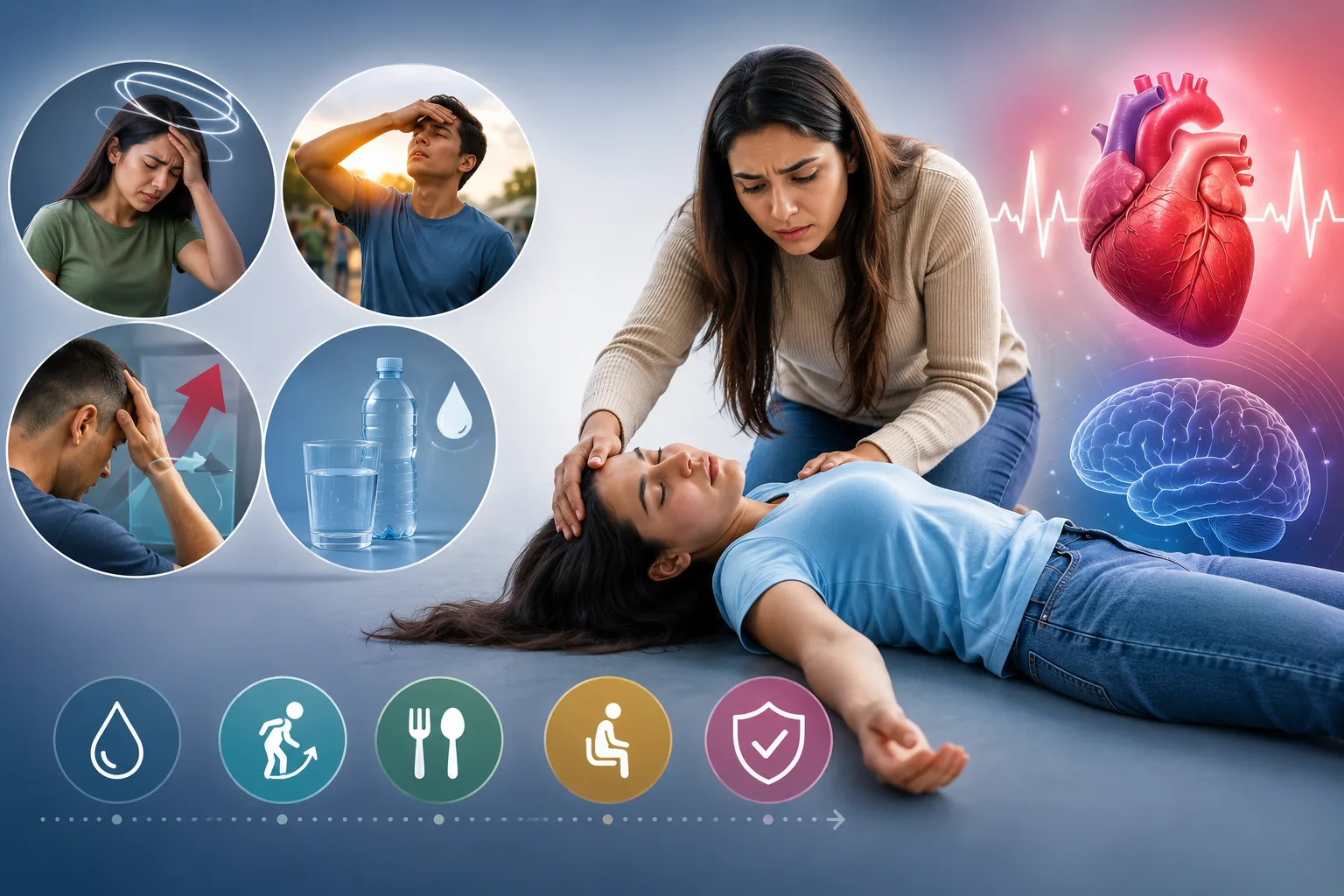
Fainting (also called syncope) is a brief loss of consciousness caused by a temporary drop in blood flow to the brain. In most cases, it is harmless and related to common triggers like standing too long, heat, or emotional stress. However, some fainting episodes can signal serious heart or neurological problems and need urgent medical attention.
What Is Fainting?
Fainting happens when your brain briefly does not get enough blood and oxygen. This causes you to lose consciousness and fall down. Most people regain awareness quickly, usually within seconds to a minute. Although fainting can be frightening, the majority of episodes are due to benign causes such as vasovagal syncope (a reflex response to stress, pain, or standing) or orthostatic hypotension (a drop in blood pressure when standing up quickly).
Symptoms Before and After Fainting:
Many people experience warning signs before fainting. These may include:
● Dizziness or lightheadedness.
● Blurred or tunnel vision.
● Nausea or feeling warm and sweaty.
● Ringing in the ears or muffled hearing.
● Paleness and weakness.
● Feeling of “blacking out”.
After fainting, people usually wake up quickly and feel tired or confused for a short time. If confusion lasts more than five minutes, or if there are seizure-like jerking movements, this may indicate a more serious problem.
Common Causes and Risk Factors:
1. Normal (Benign) Causes: Most fainting episodes are not dangerous and are triggered by everyday situations:
● Vasovagal syncope: Triggered by emotional stress, pain, fear, sight of blood, or standing for long periods.
● Orthostatic hypotension: Standing up too quickly, especially after lying down.
● Dehydration or fasting: Not drinking enough fluids or skipping meals.
● Heat exposure: Being in hot, crowded places or taking hot baths.
● Situational triggers: Coughing, urinating (especially at night), straining during bowel movements, or swallowing.
People who are teenagers or young adults, have naturally low blood pressure, or take certain medications (like blood pressure or anxiety drugs) are more likely to experience these types of fainting.
2. Abnormal (Concerning) Causes: Fainting can sometimes be a sign of an underlying medical condition that needs evaluation:
● Heart rhythm problems: Abnormal heartbeats (arrhythmias) can reduce blood flow to the brain.
● Structural heart disease: Conditions like valve problems or heart muscle disease.
● Neurological issues: Seizures, stroke, or other brain disorders.
● Severe anemia, low blood sugar, or electrolyte imbalances.
● Medication side effects: Especially drugs affecting blood pressure or heart rate.
Risk factors that raise concern include known heart disease, fainting during exercise, no warning signs before fainting, family history of sudden cardiac death, or recurrent unexplained episodes.
Prevention Tips:
Most fainting episodes can be prevented with simple lifestyle changes and awareness of triggers:
● Stay hydrated: Drink enough water throughout the day, especially in hot weather.
● Avoid prolonged standing: If you must stand, shift your weight or move your legs to keep blood flowing.
● Rise slowly: Sit on the edge of the bed for a minute before standing up.
● Recognize early warnings: If you feel dizzy or nauseated, sit or lie down immediately.
● Use physical counter-pressure maneuvers: Tense your leg and arm muscles, cross your legs, or squat to raise blood pressure if you feel faint.
● Avoid known triggers: Such as hot environments, skipping meals, or excessive alcohol.
● Manage pain and stress: Practice deep breathing or relaxation techniques.
● For men with nighttime fainting: Consider sitting down to urinate and empty your bladder regularly.
When to Consult a Doctor?
Although most fainting is harmless, certain “red flag” symptoms require prompt medical evaluation: Seek emergency care if you experience:
● Fainting during exercise or physical exertion.
● Chest pain, palpitations, or shortness of breath before or after fainting.
● No warning signs before fainting.
● Confusion lasted more than five minutes after the episode.
● Seizure-like movements, tongue biting, or loss of bladder control.
● Serious injury from the fall.
● Known heart disease or family history of sudden cardiac death. ● Recurrent episodes without a clear trigger.
Even if you feel fine afterward, it is wise to see a doctor after any first-time fainting episode, especially if you are over 40, have other medical conditions, or take medications that affect blood pressure or heart rhythm.
Treatment Awareness:
Treatment depends on the underlying cause of fainting. For benign vasovagal syncope, lifestyle changes and trigger avoidance are often enough. In some cases, doctors may recommend:
● Increased fluid and salt intake (if blood pressure is low and no contraindications exist).
● Compression stockings to improve blood flow from the legs.
● Medication adjustments if drugs are contributing to low blood pressure.
● Physical therapy to teach counter-pressure maneuvers.
● Heart monitoring (ECG, Holter monitor) if a cardiac cause is suspected.
● Pacemaker or other cardiac treatments for specific rhythm disorders.
If fainting is due to seizures, anemia, low blood sugar, or other conditions, treatment will target those specific problems.
GEWO Health Message:
At GEWO Health, we believe that understanding your body’s signals can help you stay safe and confident. Fainting is common and often harmless, but knowing when to seek help is key. Stay hydrated, rise slowly, and listen to your body’s warning signs. If you or a loved one experiences fainting with red-flag symptoms, do not wait to seek medical care promptly.
Medical Disclaimer:
This article is for general informational purposes only and does not replace professional medical advice, diagnosis, or treatment. Always consult a qualified healthcare provider for any health concerns or before making changes to your care plan. If you experience fainting with warning signs such as chest pain, shortness of breath, or fainting during exercise, seek emergency medical attention immediately.