Patient Education
Could Your Headache Be Coming from Your Sinuses?
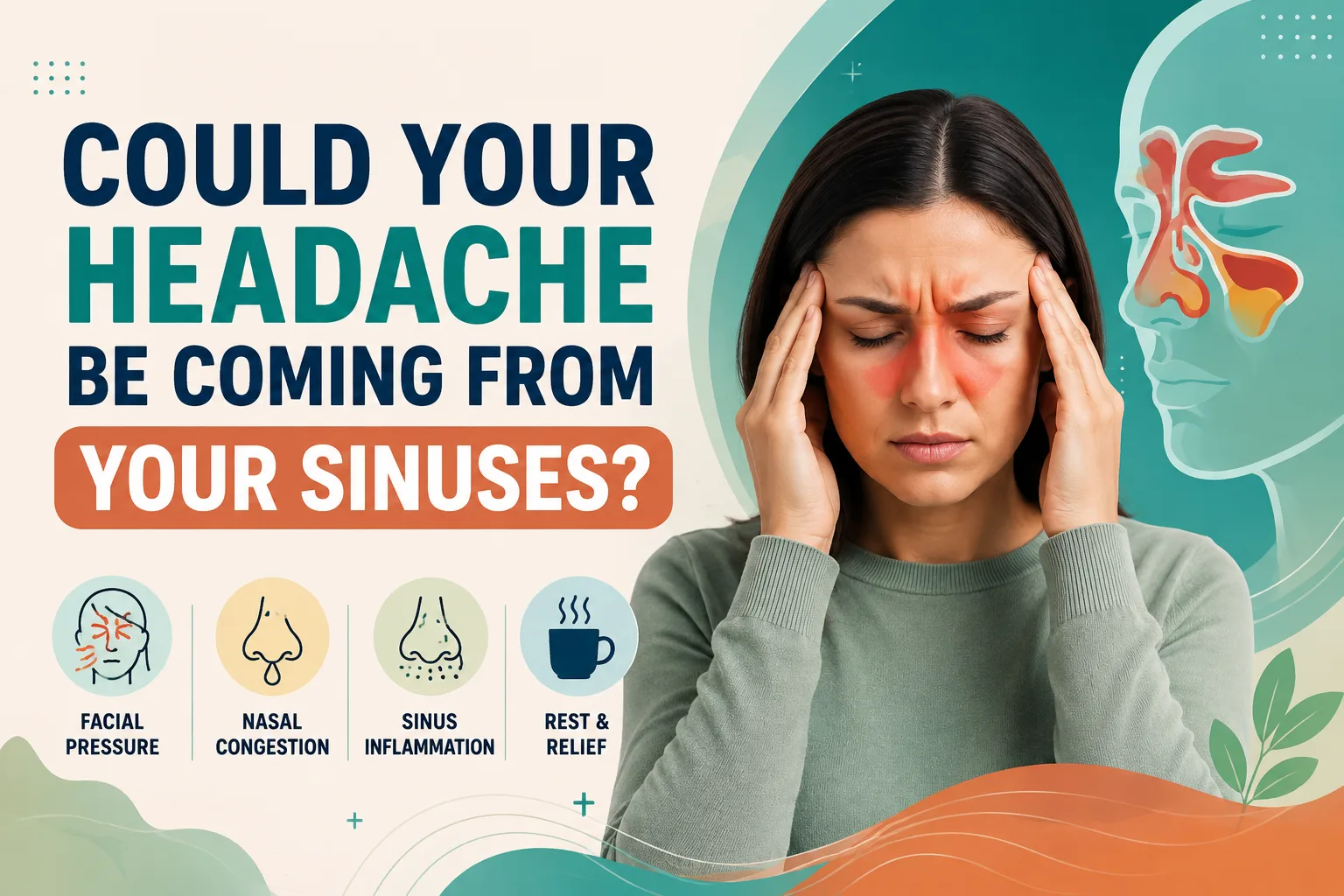
Could your headache actually be coming from your sinuses? 🤕 Sinus-related headaches may cause facial pressure, nasal congestion, thick mucus, reduced smell and pain around the forehead, cheeks or eyes. But migraine can feel similar. Learn the common causes, warning signs, prevention tips and when to seek medical advice. Don’t assume every “sinus headache” is sinusitis—know the difference and protect your health. 🧠💙
Introduction:
A sinus headache is commonly described as pain or pressure around the forehead, cheeks, eyes, or bridge of the nose. It is usually linked to inflammation or blockage of the sinuses (the air-filled spaces behind the face). Sinus problems may occur during a cold, with allergies, or because of sinusitis. Sinusitis is inflammation or swelling of the tissue lining the sinus, the small, air-filled spaces located behind the forehead, cheeks, nose, and eyes. When the sinus openings become swollen or blocked, mucus cannot drain properly. This may create pressure and inflammation in the face, leading to a sinus headache, which is often felt around the forehead, cheeks, eyes, or bridge of the nose. The duration, severity, and combination of symptoms can help distinguish a sinus-related headache from migraine or another type of headache and indicate when medical advice may be needed.
Symptoms:
A sinus-related headache often causes a dull, aching sensation or pressure rather than a pulsating pain. Common symptoms include:
● Pressure or pain in the forehead, cheeks, around the eyes, or at the bridge of the nose. ● Facial tenderness or a feeling of fullness.
● Pain in the upper teeth or jaw.
● Nasal blockage or difficulty breathing through the nose.
● Thick nasal mucus, sometimes yellow or green.
● Reduced sense of smell.
● Cough, sore throat, or an unpleasant taste caused by mucus draining into the throat.
● Tiredness or a feeling of being unwell.
● Fever, particularly when an infection is present.
● Pain that may feel worse when bending forward or lying down.
● Sinus symptoms commonly occur together with a cold or allergy flare.
A migraine, in contrast, may be moderate to severe, throbbing, and associated with nausea, vomiting, sensitivity to light or sound, or worsening with routine activity. These features make migraine more likely, even when congestion or facial pressure is present.
Causes and Risk Factors:
A sinus headache generally develops when swelling blocks normal drainage from the sinuses. Mucus then accumulates, producing pressure and discomfort. Common causes and risk factors include:
● Viral infections: The common cold is the most frequent trigger of acute sinus symptoms. Most cases improve without antibiotics.
● Allergic rhinitis: Pollen, dust mites, mould, animal dander, and other allergens can inflame the nasal passages and contribute to blockage.
● Bacterial sinusitis: A bacterial infection may occasionally develop after a viral illness, especially when symptoms persist, become severe, or improve and then worsen again.
● Nasal polyps or a deviated nasal septum: Structural problems can interfere with sinus drainage. ● Exposure to smoke and pollution: Cigarette smoke, indoor smoke, and polluted air irritate the nasal lining.
● Dry air: Low humidity may worsen nasal irritation and mucus thickening.
● Dental infections: Infection in an upper tooth can sometimes cause pain that is felt in the cheek or sinus region.
● Reduced immunity or certain medical conditions: These may increase the risk of persistent or complicated sinus infections.
Repeated headaches should not automatically be attributed to sinus disease. Migraine and tension-type headache are among the most frequent explanations for facial or “sinus” pain reported by patients.
Prevention Tips:
Although every sinus headache cannot be prevented, the following measures may reduce the risk of sinus problems:
● Wash your hands regularly, particularly before eating and after contact with people who have respiratory infections.
● Avoid close contact with people who are unwell when possible.
● Manage allergies with guidance from a healthcare professional. Limit exposure to known triggers.
● Avoid cigarette smoking and second-hand smoke.
● Reduce exposure to dust, strong fragrances, and air pollution.
● Drink adequate fluids and rest during a cold.
● Keep indoor air comfortably humid, but clean humidifiers regularly to prevent mould growth.
● Ask a healthcare professional about appropriate saline nasal sprays or rinses if nasal congestion is frequent.
● Do not use over-the-counter nasal decongestant sprays for longer than recommended, as prolonged use can worsen congestion.
● Keep a headache diary if headaches recur. Note possible triggers, duration, nasal symptoms, fever, nausea, light sensitivity, sleep, and medicines taken.
When using a nasal rinse, use sterile, distilled, or previously boiled and cooled water, and follow the product instructions carefully. Do not share rinse devices.
When to Consult a Doctor?
Arrange a medical consultation if:
● Symptoms last longer than about 10 days without improvement.
● Symptoms initially improve but then become worse again.
● Fever is persistent, severe, or accompanied by increasing facial pain.
● Headaches recur frequently or interfere with work, sleep, or daily activities.
● Pain is severe, one-sided, or associated with tooth pain.
● You need pain-relief medicines repeatedly.
● Nasal blockage or discharge persists for several weeks.
● You have a weakened immune system or a significant underlying medical condition.
Seek urgent medical care for a sudden, extremely severe headache; confusion; fainting; weakness or numbness; difficulty speaking; seizures; a stiff neck; repeated vomiting; vision loss; swelling or redness around the eye; double vision; severe eye pain; or a high fever with a rapidly worsening headache. These symptoms may indicate a condition requiring immediate assessment.
Treatment Awareness:
● Treatment depends on whether the symptoms are caused by a viral infection, allergy, migraine, or another condition.
● For mild symptoms, rest, adequate fluids, warm compresses over the face, and saline nasal sprays or rinses may provide relief.
● Over-the-counter pain medicines may help some adults when used according to the label.
● People with liver disease, kidney disease, stomach ulcers, uncontrolled hypertension, pregnancy, medication allergies, or regular prescription medicines should seek professional advice before choosing a pain reliever.
● Allergy-related symptoms may require an antihistamine or a steroid nasal spray, but these should be selected and used correctly.
● A healthcare professional can demonstrate the correct nasal-spray technique and advise how long treatment should continue.
● Antibiotics do not treat viral colds and are not needed for every sinus infection. They should be used only when a clinician considers a bacterial infection likely. Taking leftover antibiotics or stopping a prescribed course without advice can contribute to treatment failure and antimicrobial resistance.
GEWO Health Message:
G- Get the cause checked: Facial pressure is not always sinusitis; migraine can feel similar.
E- Ease symptoms safely: Rest, hydrate, avoid smoke, and use recommended saline or medicines appropriately.
W- Watch warning signs: Sudden severe headache, neurological symptoms, eye swelling, vision changes, confusion, or high fever require urgent care.
O- Obtain medical advice: Persistent, recurrent, or worsening headaches should be assessed by a qualified healthcare professional.
Medical Disclaimer:
This article is intended for general health education and does not replace examination, diagnosis, or treatment from a qualified healthcare professional. Symptoms can overlap between sinusitis, migraine, dental disease, eye conditions, and other causes of headache. Do not start antibiotics or regularly use pain-relief medicines without appropriate medical guidance. Seek urgent care for severe, sudden, unusual, or rapidly worsening symptoms.