Mental Health
Cognitive Activities That Support Brain Health
Keeping your brain active is one of the best ways to support memory, focus, and long-term cognitive health. Activities like reading, puzzles, learning new skills, playing music, and staying socially connected help strengthen brain function and build cognitive resilience. Combined with regular exercise, healthy eating, quality sleep, and stress management, these simple daily habits can help protect your mind and promote healthy brain aging.
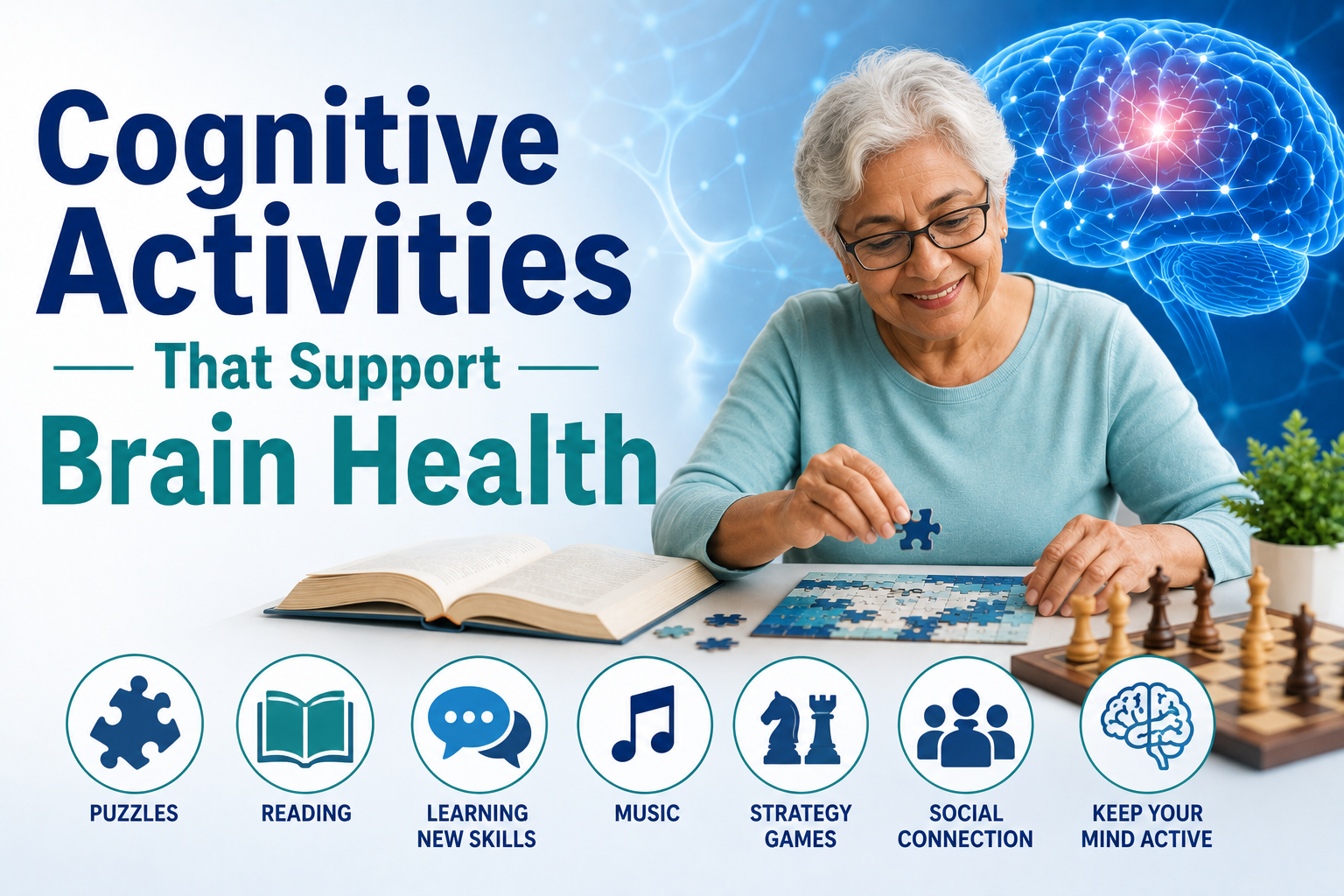
The brain is often called the body's most complex organ and like every other part of us, it benefits from regular exercise. Just as muscles grow stronger with physical activity, the brain's networks of neurons become more resilient and efficient when they are consistently challenged. Cognitive activities like puzzles, reading, learning new skills, social engagement and structured mental exercises help maintain memory, attention, problem-solving ability and overall mental sharpness as we age.
Brain health isn't only a concern for older adults!
Building strong cognitive habits early in life creates a "reserve" that can help delay or reduce the impact of age-related decline. This article explores the warning signs of declining brain health, the factors that put people at risk and practical steps anyone can take to keep their mind active and resilient.
Key Cognitive Activities and How They Help:
Not all mental activities benefit the brain in the same way.
Different types of exercises target different cognitive skills like memory, attention, reasoning, language, and processing speed. Here's a closer look at some of the most effective activities and the specific ways they support brain health:
1. Puzzles and brain games (crosswords, sudoku, jigsaw puzzles): These activities challenge working memory, pattern recognition and problem-solving. They require the brain to hold and manipulate information, which strengthens the neural pathways involved in short-term memory and logical reasoning.
2. Reading: Reading engages language processing, comprehension and imagination simultaneously. It also builds vocabulary and background knowledge, which contributes to what researchers call "cognitive reserve", a buffer that helps the brain compensate for age-related changes.
3. Learning a new language: Language learning is one of the most demanding cognitive workouts
available. It requires memory, attention control, and the ability to switch between different rule systems, which has been associated with improved executive function and delayed onset of memory-related decline.
4. Playing a musical instrument: Learning music activates multiple brain regions at once, especially those responsible for motor coordination, auditory processing and memory. This kind of multi-sensory engagement is thought to build stronger, more flexible neural connections.
5. Strategy games (chess, bridge, board games): These games demand planning, foresight and adaptability, exercising, the brain's executive functions are the set of skills used for decision-making, prioritizing and adjusting to new information.
6. Learning new skills or hobbies: Taking up something unfamiliar like painting, cooking a new cuisine, using new technology forces the brain to form new neural connections rather than relying on existing habits which drives neuroplasticity, the brain's ability to reorganize and adapt.
7. Social engagement and conversation: Meaningful conversation and group activities stimulate memory, language and emotional processing simultaneously. Social interaction also helps buffer against stress and depression, both of which can negatively affect cognitive function.
8. Memory exercises (recalling lists, journaling, storytelling): Deliberately practicing recall such as
writing a daily journal or retelling recent events in detail, strengthens the brain's ability to encode and retrieve information, which is directly tied to memory performance.
9. Mindfulness and meditation: While not a traditional "cognitive" activity, mindfulness practice improves attention control and reduces the mental clutter caused by chronic stress, indirectly supporting clearer thinking and better focus.
Together, these activities work best when varied. Just as a well-rounded fitness routine combines cardio, strength, and flexibility training, a well-rounded cognitive routine combines memory work, problem-solving, creativity, language and social interaction for the broadest possible benefit.
Symptoms of Declining Cognitive Health:
While occasional forgetfulness is a normal part of life, certain patterns may signal that cognitive health needs attention. These include:
● Frequently misplacing items or forgetting recent conversations.
● Difficulty concentrating or following multi-step instructions.
● Trouble finding the right words during conversation.
● Getting disoriented in familiar places.
● Reduced ability to plan, organize, or solve everyday problems.
● Noticeable changes in mood, judgment, or decision-making.
● Withdrawal from hobbies, social activities, or work responsibilities.
It's important to note that mild forgetfulness like occasionally misplacing keys is usually normal. Persistent or worsening symptoms that interfere with daily life are the ones that warrant closer attention.
Causes and Risk Factors:
Cognitive decline can result from a combination of biological, lifestyle and environmental factors.
Common contributors include:
Non-modifiable factors:
● Advancing age.
● Genetics and family history of dementia or cognitive disorders.
● Certain chronic health conditions (diabetes, hypertension, cardiovascular disease).
Modifiable factors:
● Physical inactivity.
● Poor sleep quality or chronic sleep deprivation.
● Chronic stress and unmanaged anxiety.
● Social isolation.
● Poor nutrition, particularly diets low in antioxidants and omega-3 fatty acids.
● Excessive alcohol consumption or smoking.
● Lack of mental stimulation or intellectual engagement.
● Uncontrolled chronic illnesses, such as high blood pressure or high cholesterol.
Many of these modifiable risk factors overlap with general health habits, which is why brain health is
closely tied to overall physical wellness.
Prevention Tips:
The encouraging news is that cognitive health can be actively supported through daily habits. Consider incorporating the following into your routine:
1. Stay mentally active: Engage in activities that challenge your brain.
2. Prioritize physical exercise: Regular aerobic exercise increases blood flow to the brain and has been linked to improved memory and slower cognitive decline. Aim for at least 150 minutes of moderate activity per week, such as brisk walking, swimming, or cycling.
3. Eat a brain-supportive diet: Diets rich in leafy greens, berries, nuts, fish, and whole grains, such as the Mediterranean or MIND diet are associated with better cognitive outcomes. Limiting processed foods and added sugars may also help protect brain function.
4. Get quality sleep: Sleep allows the brain to consolidate memories and clear out metabolic waste products. Adults should aim for 7- 9 hours of restful sleep per night.
5. Stay socially connected: Regular interaction with friends, family, and community groups helps stimulate cognitive function and reduces the risk of depression and isolation, both of which are linked to cognitive decline.
6. Manage stress and mental health: Chronic stress and untreated depression or anxiety can negatively affect memory and concentration. Mindfulness practices, meditation, and relaxation techniques can help.
7. Control chronic health conditions: Keeping blood pressure, blood sugar, and cholesterol levels within healthy ranges supports overall brain and cardiovascular health.
8. Limit alcohol and avoid smoking: Both are associated with increased risk of cognitive decline and
other health complications.
When to Consult a Doctor?
While it's normal to occasionally forget names or misplace items, certain signs should prompt a
conversation with a healthcare provider:
● Memory loss that disrupts daily life or work.
● Difficulty completing familiar tasks.
● Confusion about time, place, or people.
● Sudden changes in mood, personality, or judgment.
● Family members or friends expressing concern about your memory or behavior.
● Symptoms that are progressively worsening rather than staying stable.
Early evaluation allows for timely diagnosis, identification of reversible causes (such as vitamin deficiencies, thyroid issues, or medication side effects), and access to appropriate support and treatment.
Treatment Awareness:
Depending on the underlying cause, healthcare providers may recommend a range of approaches, which can include:
● Cognitive assessments to establish a baseline and track changes over time
● Treating underlying conditions, such as managing diabetes, thyroid disorders, or vitamin deficiencies
● Medications, in cases of diagnosed conditions like Alzheimer's disease or other dementias, to help manage symptoms
● Cognitive rehabilitation or occupational therapy to strengthen specific skills
● Lifestyle modification programs combining diet, exercise, sleep hygiene, and social engagement
● Mental health support, including counseling for depression or anxiety that may be affecting cognitive function Treatment plans are highly individualized, and a healthcare provider is best positioned to recommend an appropriate path based on a full evaluation.
GEWO Health Message:
At GEWO Health, we believe that brain health is a lifelong journey, not a single decision. Small, consistent habits, a daily walk, a shared meal with loved ones, a new hobby, a good night's sleep build the foundation for long-term cognitive resilience.
We encourage everyone to take a proactive approach to brain wellness: stay curious, stay connected, and stay active. Your mind, like the rest of your body, thrives when it's cared for consistently and intentionally.
Medical Disclaimer:
This article is for general informational and educational purposes only and does not constitute medical advice. It is not intended to diagnose, treat, cure, or prevent any disease or health condition. Always consult a qualified healthcare provider regarding any questions or concerns about your health, memory, or cognitive function, and before starting any new treatment, exercise, or dietary program. Never disregard professional medical advice or delay seeking it because of information contained in this article.