Disease Prevention
Cholesterol Changes With Age: What You Need to Know?
Cholesterol levels can change naturally with age, but high cholesterol often has no warning signs. As we get older, changes in metabolism, hormones, liver function and lifestyle can affect LDL, HDL and triglycerides. Regular cholesterol testing, heart-healthy eating, physical activity, maintaining a healthy weight and managing conditions like diabetes and high blood pressure can help protect your heart. Know your numbers and discuss your personal targets with your doctor.
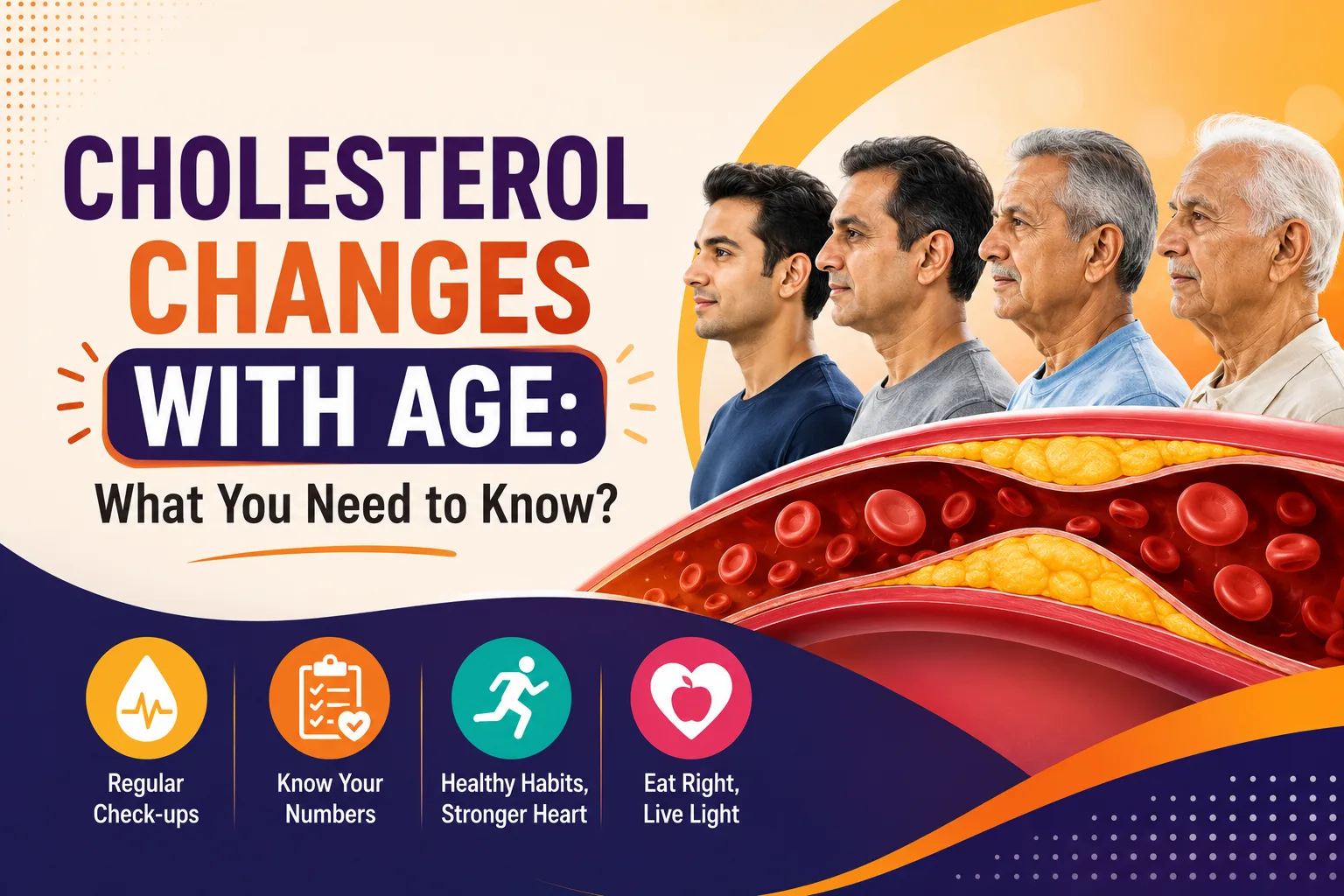
Cholesterol levels naturally rise as we get older due to age-related changes in how the body processes fats. Understanding these changes, knowing what's normal at different ages, and taking preventive steps can help protect your heart and blood vessels over time.
Introduction:
Cholesterol is a waxy, fat-like substance found in every cell of your body. It's essential for building healthy cells, producing hormones, and making vitamin D. However, when cholesterol levels get too high, especially "bad" LDL cholesterol it can build up in artery walls, increasing the risk of heart disease and stroke.
As you age, your body's ability to clear cholesterol from the bloodstream becomes less efficient. This is why cholesterol levels tend to rise with age, even in people who maintain healthy habits.
Symptoms:
High cholesterol itself usually has no symptoms. Most people don't know they have it until they experience a serious complication like a heart attack or stroke.Because high cholesterol is "silent," regular blood tests are the only way to know your levels. This is especially important as you get older, since risk increases with age.
Why Cholesterol Changes With Age?
Several biological and lifestyle factors contribute to rising cholesterol levels over time:
➔ Liver function declines: As you age, your liver becomes less efficient at removing LDL cholesterol from the blood.
➔ Hormonal changes: In women, cholesterol levels often rise after menopause due to falling estrogen levels, which previously helped keep LDL lower.
➔ Metabolism slows: Age-related decreases in metabolic rate can lead to weight gain, which is linked to higher cholesterol.
➔ Lifestyle habits accumulate: Years of eating unhealthy foods, being inactive, or smoking can compound cholesterol problems over time.
Risk Factors for High Cholesterol:
Some risk factors are beyond your control, while others can be modified:
Non-modifiable factors:
● Age: Risk increases after 40 in men and after 55 (or menopause) in women.
● Family history: Genetics can predispose you to high cholesterol or familial hypercholesterolemia.
● Sex: Men tend to have higher risk earlier; women's risk rises after menopause.
Modifiable factors:
● Diet: High intake of saturated and trans fats raises LDL cholesterol.
● Physical inactivity: Lack of exercise contributes to weight gain and poor cholesterol profiles
● Obesity: Excess body fat, especially around the abdomen, is linked to higher LDL and triglycerides.
● Smoking: Damages blood vessels and lowers HDL cholesterol.
● Medical conditions: Diabetes, hypothyroidism, kidney disease, and liver disease can raise cholesterol.
● Medications: Some drugs (e.g., certain diuretics, steroids, antipsychotics) can affect lipid levels.
Prevention Tips:
You can take proactive steps to keep cholesterol in a healthy range at any age:
➔ Eat a heart-healthy diet: Focus on fruits, vegetables, whole grains, legumes, nuts, and fatty fish. Limit saturated fats (red meat, full-fat dairy) and avoid trans fats (processed snacks, fried foods).
➔ Stay physically active: Aim for at least 150 minutes of moderate exercise (like brisk walking) per week.
➔ Maintain a healthy weight: Losing even 5 - 10% of body weight can improve cholesterol levels. ➔ Don't smoke: Quitting smoking improves HDL cholesterol and overall heart health.
➔ Limit alcohol: No more than one drink per day for women and two for men.
➔ Manage stress and sleep well: Chronic stress and poor sleep can negatively affect cholesterol and heart health.
When to Consult a Doctor?
See a healthcare provider if:
● You're over 20 and haven't had a cholesterol test in the past 5 years.
● You have a family history of early heart disease or stroke.
● You have other risk factors like high blood pressure, diabetes, or obesity.
● You experience symptoms of cardiovascular disease (chest pain, shortness of breath, leg pain when walking).
● You're approaching or have gone through menopause and want to assess your heart health.
Treatment Awareness:
If lifestyle changes aren't enough, medications may be recommended:
● Statins: The most common cholesterol-lowering drugs; they reduce LDL and lower heart disease risk.
● Other medications: Ezetimibe, PCSK9 inhibitors, bile acid sequestrants, or fibrates may be used depending on your profile.
● Combination therapy: Some people need more than one medication to reach target levels.
● Medication decisions depend on your overall cardiovascular risk, not just cholesterol numbers. Your doctor will consider your age, blood pressure, smoking status, diabetes, and family history.
GEWO Health Message:
At GEWO Health, we believe that understanding your cholesterol is a vital step toward long-term heart health. Age-related cholesterol changes are normal, but they don't have to lead to disease. By staying informed, getting regular check-ups, and making heart-healthy choices every day, you can take control of your cardiovascular future. Remember: small, consistent changes add up to big results over time.
Medical Disclaimer:
This article is for informational purposes only and does not constitute medical advice, diagnosis, or treatment. Always seek the guidance of a qualified healthcare professional with any questions you may have regarding cholesterol, heart health, or medical conditions. Never disregard professional medical advice or delay seeking care because of something you have read in this article. Individual cholesterol targets and treatment plans should be personalized by your doctor based on your overall health and risk profile.