Other
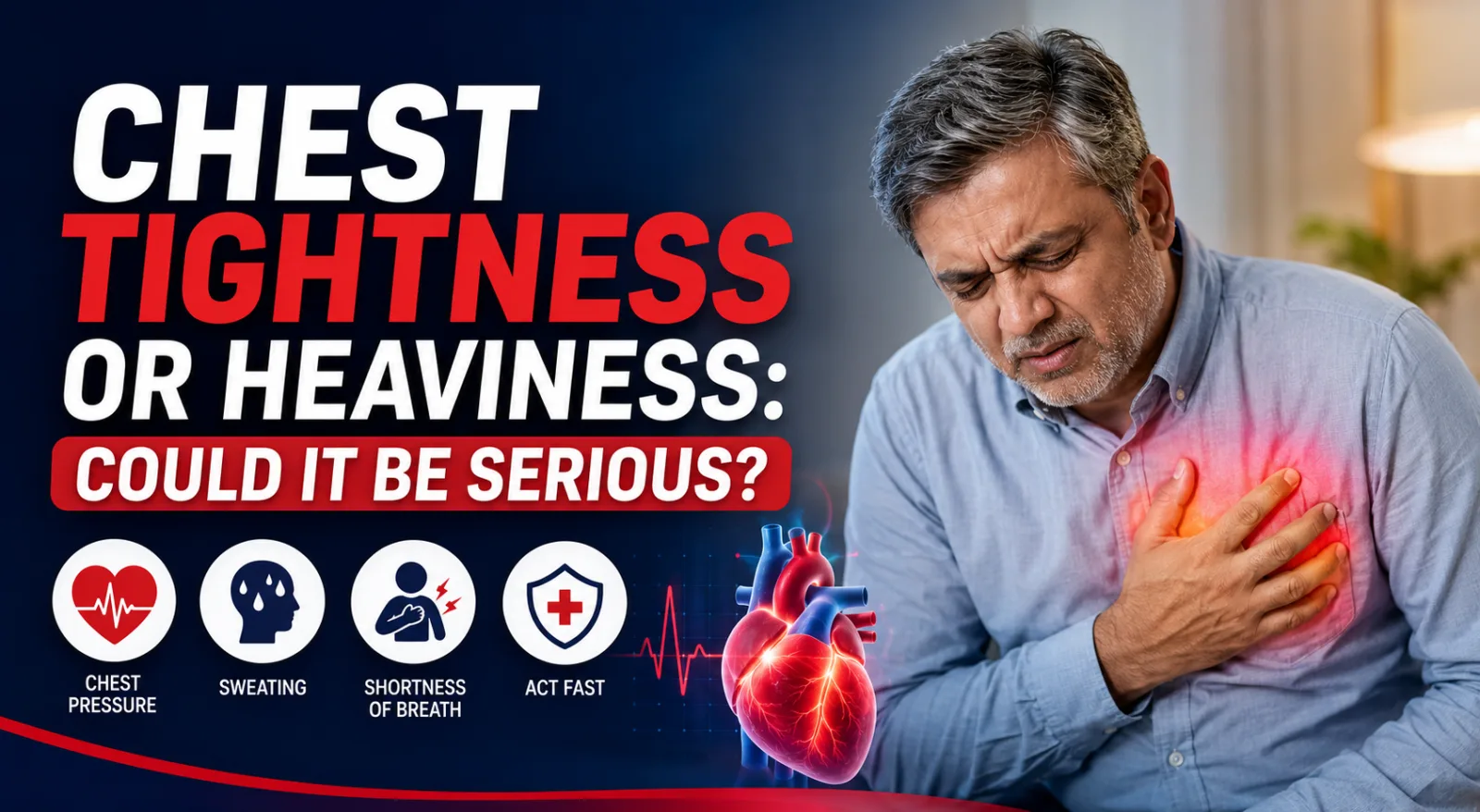
Chest Tightness or Heaviness: Could It Be Serious?
Chest tightness or heaviness can sometimes be a warning sign of a serious heart problem. Learn to recognize important symptoms, possible causes, risk factors, and when chest pressure requires urgent medical attention. Don’t wait for sharp pain—early recognition and prompt care can save lives.
Introduction:
Chest discomfort is not always a sharp or stabbing pain. A heart-related problem may feel like pressure, heaviness, tightness, squeezing, fullness, burning or an uncomfortable weight in the centre of the chest. Some people describe it as “something sitting on my chest” rather than pain. Angina and heart attacks can present this way, and the sensation may spread to the arm, shoulder, neck, jaw, back or upper abdomen. Because chest pressure can have many causes from indigestion and anxiety to a heart attack it is not safe to diagnose the cause by sensation alone. The location, duration, triggers, associated symptoms and personal risk factors all matter. When in doubt, treat new or unexplained chest pressure as potentially urgent.
Symptoms:
Chest pressure may be heart-related when it:
● Occurs in the centre or left side of the chest.
● Feels heavy, tight, constricting, squeezing or burning rather than like a brief needle prick.
● Begins during walking, climbing stairs, exercise or emotional stress.
● Improves with rest but returns with activity.
● Lasts for several minutes, goes away and comes back, or steadily worsens.
● Spreads to one or both arms, the shoulder, back, neck, jaw or upper abdomen.
Other warning symptoms may include shortness of breath, cold sweating, nausea or vomiting, dizziness, faintness, unusual tiredness, a fast or irregular heartbeat, pale or bluish skin, or a feeling of impending doom.
The American Heart Association notes that many heart attacks involve discomfort in the centre of the chest that lasts more than a few minutes or disappears and returns.
Symptoms are not identical in every person.
Women, older adults and people with diabetes may have less typical symptoms, such as breathlessness, nausea, severe fatigue, indigestion-like discomfort, dizziness or pressure without intense pain. Therefore, the absence of “classic” left-sided pain does not completely rule out a heart problem.
Causes and Risk Factors:
Possible heart-related causes:
➔ Angina: Temporary reduced blood flow to the heart muscle, often causing pressure during exertion or stress.
➔ Heart attack: A blockage that reduces or stops blood flow to part of the heart. Pressure may occur at rest and may not disappear after resting.
➔ Heart rhythm problems: Abnormal rhythms can cause chest discomfort, palpitations, breathlessness or light-headedness.
➔ Inflammation: Conditions affecting the heart lining or surrounding tissues may cause chest discomfort, sometimes worsened by breathing or lying down.
Other possible causes:
➔ Acid reflux or oesophageal spasm: Burning, pressure or discomfort after meals, especially when lying down.
➔ Muscle or chest-wall strain: Discomfort after exercise, lifting, coughing or an awkward movement; it may worsen when the area is pressed.
➔ Anxiety or panic: Chest tightness with rapid breathing, racing heartbeat, trembling, sweating or intense fear.
➔ Lung conditions: Asthma, pneumonia, inflammation around the lungs or a blood clot in the lung can cause chest discomfort and breathing difficulty.
➔ Other emergencies: A tear in the body’s main artery, called aortic dissection, can cause sudden severe chest or upper-back pain and requires immediate medical attention.
Risk factors for coronary artery disease include high blood pressure, diabetes, high cholesterol, smoking or tobacco use, obesity, physical inactivity, chronic stress, sleep problems, kidney disease, increasing age and a family history of premature heart disease. Metabolic syndrome, high blood pressure, raised blood sugar, abnormal cholesterol and excess abdominal weight also increases cardiovascular risk
When to Seek Emergency Help?
Call emergency services immediately if chest pressure is new, severe, persistent, recurring or unexplained especially if it occurs with breathlessness, sweating, nausea, dizziness, fainting or discomfort spreading to the arm, jaw, neck, back or abdomen. In India, 112 is the integrated emergency number; local ambulance services may also be used.
While waiting for help:
- Stop exercising and sit upright or rest in a comfortable position.
- Do not drive yourself if an ambulance is available.
- Loosen tight clothing and keep your phone accessible.
- Do not dismiss the symptoms as gas, acidity or anxiety without medical assessment.
- Do not take someone else’s heart medicine. If a doctor has already prescribed medicine for angina, use it only as directed.
A person who becomes unconscious, has severe breathing difficulty or develops blue or grey lips requires immediate emergency care.
Prevention Tips:
You cannot prevent every cause of chest discomfort, but you can reduce the risk of heart and blood-vessel disease:
- Do not smoke or use tobacco; seek help to quit if needed.
- Monitor blood pressure, blood glucose and cholesterol regularly.
- Aim for regular physical activity appropriate for your age and health status.
- Choose more vegetables, fruits, pulses, whole grains, nuts and minimally processed foods.
- Reduce excess salt, trans fats, highly processed foods and sugary drinks.
- Maintain a healthy waist circumference and body weight without crash dieting. - Sleep adequately and address persistent snoring or suspected sleep apnoea.
- Manage stress through relaxation techniques, social support, counselling or other suitable approaches.
- Take prescribed medicines consistently and attend follow-up appointments.
- Know your family history and discuss earlier screening with a healthcare professional if close relatives had premature heart disease.
Lifestyle changes should complement not replace treatment for hypertension, diabetes, high cholesterol or other diagnosed conditions.
Treatment Awareness:
● Chest pressure cannot be safely treated based only on its appearance. At a clinic or emergency department, a healthcare professional may ask when the discomfort began, what triggered it, whether it spread and whether it is associated with breathing, meals or movement.
● Evaluation may include a physical examination, blood pressure and oxygen measurement, a 12-lead electrocardiogram and blood tests for cardiac troponin. Guidelines recommend obtaining an ECG promptly often within 10 minutes of arrival in an emergency setting and using troponin testing to assess possible heart-muscle injury.
● Further tests may include repeat ECGs, chest imaging, echocardiography, stress testing or CT coronary angiography, depending on the clinical situation.
● Treatment varies according to the cause. It may involve medicines for angina, a heart attack, high blood pressure, reflux, asthma or anxiety. A confirmed heart attack may require urgent procedures to reopen a blocked artery, such as coronary angioplasty and stent placement. Never start aspirin, antacids, painkillers or supplements for chest pressure without appropriate medical advice, particularly if you have allergies, bleeding risk, kidney disease or other conditions.
GEWO Health Message:
Pressure is still a symptom, do not wait for sharp pain. New, persistent or unexplained chest pressure deserves prompt medical attention. Recognising warning signs early and seeking emergency care can save heart muscle and potentially save a life.
Medical Disclaimer:
This article is for general health education and is not a substitute for diagnosis, emergency assessment or individual medical advice. Chest pressure can result from mild, serious or life-threatening conditions, and symptoms may overlap. If you currently have chest pressure, breathing difficulty, sweating, faintness, nausea or discomfort spreading to the arm, jaw, neck or back, seek emergency medical care now. Always consult a qualified healthcare professional for personalised evaluation and treatment.