Disease Prevention
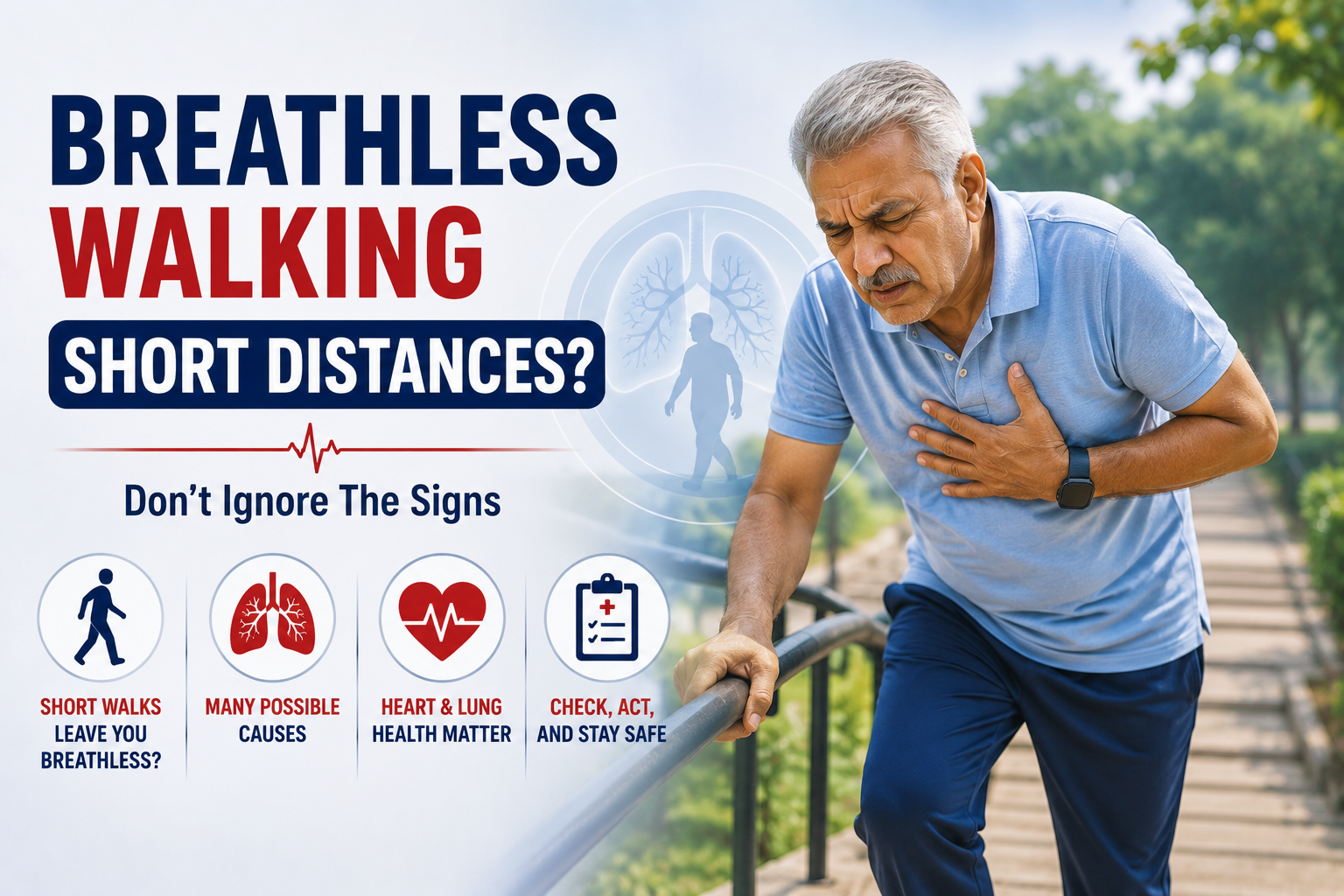
Breathless Walking Short Distances?
Breathlessness while walking a short distance should not always be dismissed as weakness or poor fitness. It can be linked to heart or lung conditions, anemia, infections, asthma, COPD, or other health issues. Notice when breathlessness occurs and whether it is worsening or accompanied by chest pain, dizziness, swelling, cough, or palpitations. Persistent or new symptoms deserve medical evaluation, while severe or sudden breathlessness needs urgent care.
Introduction:
Feeling out of breath after intense exercise can be normal. However, becoming breathless while walking a short distance, climbing a few stairs, or doing routine activities deserves attention especially if it is new, worsening, or occurs more often than before. Shortness of breath, also called breathlessness or dyspnoea, may feel like you cannot get enough air, your chest is tight, or you need to breathe faster. It can result from temporary factors such as poor fitness, hot weather, or anxiety, but it may also signal a heart, lung, blood, or other medical problem. Common causes include asthma, chronic obstructive pulmonary disease (COPD), respiratory infections, heart failure, anemia, excess weight, smoking, and physical deconditioning. Breathlessness is a symptom not a diagnosis. Finding the underlying cause is important so that appropriate treatment can begin.
Symptoms to Notice:
People experience breathlessness in different ways. You may notice:
● Getting out of breath while walking slowly or performing routine activities.
● Rapid, shallow, noisy, or laboured breathing.
● Chest tightness, pressure, or discomfort.
● Wheezing, coughing, or frequent throat clearing.
● A racing, pounding, or irregular heartbeat.
● Tiredness, weakness, dizziness, or reduced exercise tolerance.
● Difficulty breathing when lying flat.
● Waking during the night gasping for air.
● Swelling of the feet, ankles, or legs.
● Bluish or grey lips, fingertips, or skin in severe cases.
Pay attention to when symptoms occur. Breathlessness only during exercise may have a different explanation from breathlessness at rest or while lying down. Note whether it began suddenly or gradually, whether it is getting worse, and whether it occurs with fever, cough, chest pain, palpitations, or swelling.
Causes and Risk Factors:
➢ Lung and airway conditions- Asthma can cause episodes of breathlessness, wheezing, cough, and chest tightness, often triggered by dust, pollen, smoke, cold air, exercise, or respiratory infections. COPD including chronic bronchitis and emphysema may cause persistent breathlessness, cough, and phlegm, particularly in people with a history of smoking or long-term exposure to biomass fuel and air pollution. Chest infections such as bronchitis, pneumonia, influenza, or COVID-19 may lead to breathlessness along with fever, cough, chills, or body aches. Other lung conditions, including pulmonary fibrosis, lung cancer, or pulmonary hypertension, can also cause progressive symptoms.
➢ Heart-related conditions: The heart and lungs work together to deliver oxygen to the body. Conditions such as coronary artery disease, heart failure, heart-valve disease, abnormal heart rhythms, or uncontrolled high blood pressure may cause breathlessness during activity. Some people also experience chest pressure, fatigue, palpitations, or swelling in the legs. A blood clot that travels to the lungs, called a pulmonary embolism, can cause sudden breathlessness, chest pain, a fast heartbeat, coughing, or in some cases coughing up blood. This is an emergency.
➢ Anaemia and other causes: Anaemia, often related to iron deficiency or another medical condition, reduces the blood’s ability to carry oxygen. Breathlessness may occur with tiredness, weakness, dizziness, pale skin, or headaches. Other possible contributors include obesity, pregnancy, high altitude, anxiety or panic attacks, neuromuscular disorders, and reduced fitness after prolonged inactivity.
➢ Risk may be higher if you smoke, have diabetes, high blood pressure, high cholesterol, obesity, known heart or lung disease, a sedentary lifestyle or repeated exposure to dust, smoke, chemicals, or indoor cooking fumes.
Prevention Tips:
Not every cause of breathlessness can be prevented, but several habits can reduce risk and support heart and lung health:
❖ Avoid smoking and vaping, and seek professional help if quitting is difficult.
❖ Reduce exposure to second-hand smoke, dust, traffic pollution, and cooking fumes; improve ventilation when possible.
❖ Keep vaccinations up to date according to your healthcare professional’s advice, particularly for respiratory infections.
❖ Manage blood pressure, blood sugar, cholesterol, and body weight through regular check-ups and a sustainable lifestyle.
❖ Choose a balanced diet rich in vegetables, fruits, pulses, whole grains, and adequate protein, while limiting excess salt, highly processed foods, and sugary drinks.
❖ Build physical activity gradually. If you have been inactive or have a chronic illness, ask a clinician how to start safely rather than suddenly exercising intensely.
❖ If you have asthma or COPD, understand your triggers, follow your written action plan, and use prescribed inhalers correctly.
❖ Practise stress-management techniques and slow, controlled breathing if anxiety contributes to symptoms.
❖ Do not ignore persistent fatigue, reduced stamina, or breathlessness that is interfering with usual activities.
❖ During an episode, stop and rest in a comfortable upright position. Loosen tight clothing, remain calm, and use a prescribed reliever inhaler as directed. Do not use another person’s inhaler or start medication without medical advice.
When to Consult a Doctor:
Arrange a medical appointment if breathlessness is new, persistent, recurrent, or worsening or if it occurs during activities that previously felt easy. You should also seek medical advice if it is associated with wheezing, a prolonged cough, fever, unexplained weight loss, night sweats, swelling of the legs, difficulty breathing when lying down, or repeated nighttime awakenings.
Seek emergency care immediately for:
★ Severe or sudden breathlessness.
★ Breathlessness at rest or inability to speak in full sentences.
★ Chest pain, pressure, or fainting.
★ Confusion, extreme drowsiness, or severe weakness.
★ Blue or grey lips, face, or fingertips.
★ Coughing up blood.
★ Sudden breathlessness after surgery, prolonged travel, immobilisation, or in a person with a known risk of blood clots.
★ A severe allergic reaction involving swelling of the lips, tongue, or throat.
Do not drive yourself if symptoms are severe. Contact local emergency services or ask someone to take you to the nearest emergency department.
Treatment Awareness:
➔ Treatment depends entirely on the cause.
➔ A healthcare professional may ask about your symptoms, smoking and exposure history, medications, previous illnesses, and activity tolerance. The evaluation may include checking oxygen saturation, pulse, blood pressure, temperature, and heart and lung sounds. Depending on the findings, tests may include a blood count for anaemia, chest imaging, an electrocardiogram, lung-function testing, or an echocardiogram.
➔ Treatment may involve inhalers for asthma or COPD, antibiotics for selected bacterial infections, medicines for heart disease, iron or other treatment for confirmed anaemia, oxygen when blood oxygen is low, or anticoagulant treatment for certain blood clots. Pulmonary rehabilitation, breathing exercises, gradual physical conditioning, weight management, and smoking cessation may also help when appropriate.
➔ Avoid assuming that breathlessness is “just weakness,” ageing, anxiety, or lack of fitness until serious causes have been considered. Similarly, do not begin oxygen, steroids, antibiotics, iron tablets, or weight-loss medicines without professional guidance.
GEWO Health Message:
At GEWO Health, we believe that informed action and preventive care can help people recognise health concerns early. Breathlessness during short walks is your body’s signal to pause, pay attention, and seek the right advice, not something to dismiss. Track your symptoms, support your heart and lungs with healthy daily habits, and consult a qualified healthcare professional when breathlessness persists or changes.
Medical Disclaimer:
This article is intended for general health education and does not replace a consultation, examination, diagnosis, or treatment plan from a qualified healthcare professional. Breathlessness can have many causes, including some that require urgent care. If symptoms are sudden, severe, or accompanied by chest pain, fainting, confusion, bluish skin, or severe difficulty breathing, seek emergency medical help immediately. Do not stop prescribed medicines or begin new treatment based solely on this article.