Health Tips
Blood Thinners and Fall Risk: What Every Patient Should Know?
Blood thinners can prevent dangerous clots, but they also increase bleeding risk—especially after a fall or head injury. Learn the warning signs of serious bleeding, who is most at risk, and simple steps to prevent falls at home and in daily life. Regular medication reviews, safe movement, and timely medical attention can make a major difference. Never stop or change a blood thinner without medical advice. Stay informed, stay safe, and protect your health.
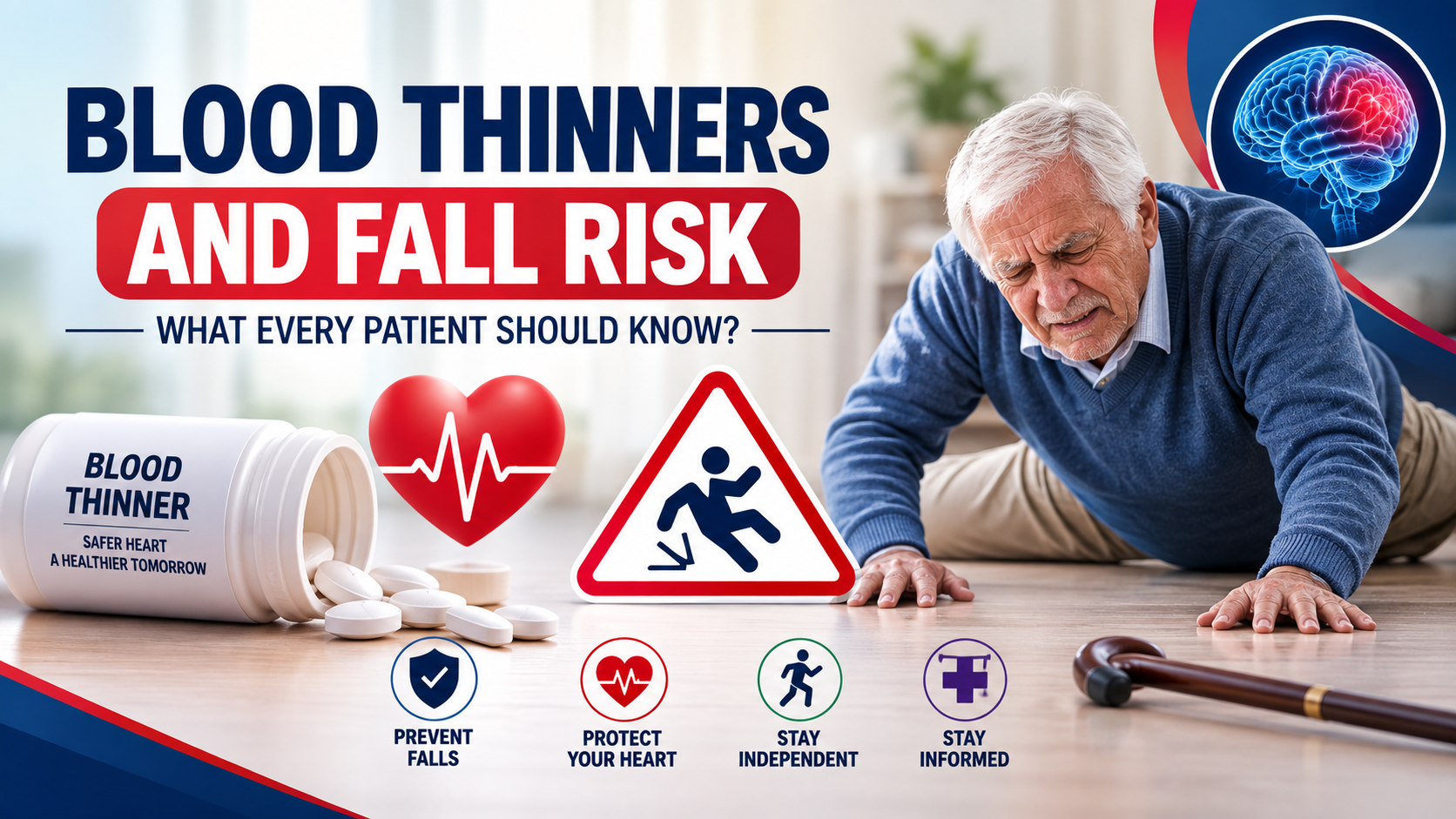
If you take blood thinners, even a minor fall could lead to serious bleeding. So understanding the risks, recognizing warning signs, and knowing prevention steps can help you stay safe while benefiting from these life-saving medicines.
Introduction:
Blood thinners (anticoagulants and antiplatelets) are medicines that reduce your blood's ability to clot. They are commonly prescribed to prevent strokes, heart attacks, and dangerous clots in the legs or lungs. While highly effective, they also increase the risk of bleeding especially if you fall or get injured. Because of this, people on blood thinners must be extra careful about falls. A bump that might cause a small bruise in others can lead to significant internal bleeding in you. But the good news: with awareness, simple safety steps, and prompt action when needed, you can greatly reduce these risks.
When Bleeding Min Happening?
Not all bleeding is obvious. Some signs appear right away; others develop slowly.
Watch for:
● External bleeding: Cuts that bleed longer than usual, frequent or large bruises, nosebleeds lasting more than 10 minutes, or bleeding gums when brushing.
Internal bleeding signs:
● Red, pink, or dark brown urine.
● Black, tarry, or bloody stools.
● Vomiting blood or material that looks like coffee grounds.
● Coughing up blood.
● Unusual or severe headaches, confusion, vision changes, weakness, or seizures (possible brain bleed).
● Severe abdominal or back pain.
● Dizziness, fainting, or shortness of breath.
If you notice any of these, contact your doctor immediately or seek emergency care.
Causes and Risk Factors:
Blood thinners work by interfering with clotting proteins or platelet function. This makes bleeding more likely after injury.
Fall risk increases bleeding risk because:
● Age and frailty: Older adults are more prone to falls and have more fragile blood vessels.
● Balance or mobility issues: Neuropathy, vision problems, muscle weakness, or prior strokes
increase fall risk.
● Home hazards: Loose rugs, poor lighting, cluttered walkways, or lack of handrails.
● Medications: Sedatives, some blood pressure drugs, or multiple medicines can cause dizziness or
drowsiness.
● Other health conditions: Kidney or liver disease, low platelet count, uncontrolled high blood
pressure, or a history of bleeding.
● Combination therapy: Using blood thinners together with aspirin, NSAIDs (like ibuprofen), or
certain supplements increases bleeding risk.
Stay Safe Every Day Tips:
You can lower your risk of falls and bleeding with these practical steps:
1. To Reduce Fall Risk at Home:
● Remove loose rugs and clutter from walkways.
● Install grab bars in bathrooms and handrails on stairs.
● Use non-slip mats in the bathroom and kitchen.
● Ensure good lighting, especially at night.
● Wear sturdy, well-fitting shoes with non-slip soles.
2. Move Safely:
● Rise slowly from sitting or lying down to avoid dizziness.
● Use walking aids (cane, walker) if recommended.
● Do balance and strength exercises (with your doctor's approval).
3. Medication and Lifestyle Safety:
● Tell all healthcare providers (including dentists) that you take blood thinners.
● Avoid contact sports, deep tissue massage, tattoos, or piercings.
● Do not start new medicines, herbal supplements, or over-the-counter painkillers (especially
NSAIDs) without checking with your doctor or pharmacist.
● Limit alcohol, which can increase bleeding and affect balance. [stroke-manual].
● Consider wearing a medical ID bracelet or carrying a card listing your medicines.
4. Regular Check-ups:
● Attend all scheduled appointments for blood tests or medication reviews.
● Report any new symptoms, falls, or changes in health promptly.
When to Consult a Doctor?
Contact your doctor immediately or go to the emergency department if you:
● Have a fall, especially if you hit your head even if you feel fine at first.
● Experience any signs of serious bleeding listed above.
● Have a cut that won't stop bleeding after 15 minutes of firm, direct pressure.
● Notice unusual bruising, blood in urine or stool, or severe pain.
Call your doctor (non-emergency) if you:
● Have frequent minor bleeding (e.g., gums, nose).
● Need surgery, dental work, or invasive tests.
● Are planning pregnancy or become pregnant.
● Have questions about your medication dose or interactions.
Treatment Awareness:
Common blood thinners include:
● Anticoagulants: Warfarin, apixaban, rivaroxaban, dabigatran, edoxaban.
● Antiplatelets: Aspirin, clopidogrel, ticagrelor.
Each works differently and has specific instructions:
● Warfarin requires regular blood tests (INR) and attention to vitamin K intake (found in leafy
greens). Keep your diet consistent and inform your doctor of any major changes.
● DOACs (like apixaban, rivaroxaban) usually don't need routine blood tests but must be taken
exactly as prescribed, especially if you have kidney problems.
● Antiplatelets are often used after heart attacks, stents, or certain strokes. Do not stop them
without medical advice.
In case of major bleeding, hospitals have reversal agents or protocols to quickly reduce the blood
thinner's effect. Always tell emergency staff which medicine you take and when you last took it.
GEWO Health Message:
At GEWO Health, we believe informed patients are safer patients. If you or a loved one takes blood
thinners:
● Keep a written list of your medicines and doses.
● Share this list with every healthcare provider you see.
● Make your home fall-safe today, small changes prevent big problems.
● Never ignore a fall or unusual bleeding symptom. Early action saves lives.
Your health team is here to support you. Ask questions, speak up about concerns, and take an active role in your care.
Medical Disclaimer:
This article is for educational purposes only and does not replace professional medical advice, diagnosis, or treatment. Always consult your doctor or qualified healthcare provider with any questions about your medical condition or medications. Do not stop or change your blood thinner without medical guidance. In case of emergency, call your local emergency number or go to the nearest hospital immediately.