Other
Atrial Fibrillation: What It Is, Why It Matters and How You Can Take Control
**Atrial Fibrillation (AFib)** is an irregular heartbeat that can sometimes have no obvious symptoms—but it can significantly increase the risk of stroke. Learn to recognize warning signs like palpitations, breathlessness, dizziness and fatigue. Early detection, healthy lifestyle habits, regular check-ups and the right treatment can help manage AFib and protect heart health. ❤️🫀
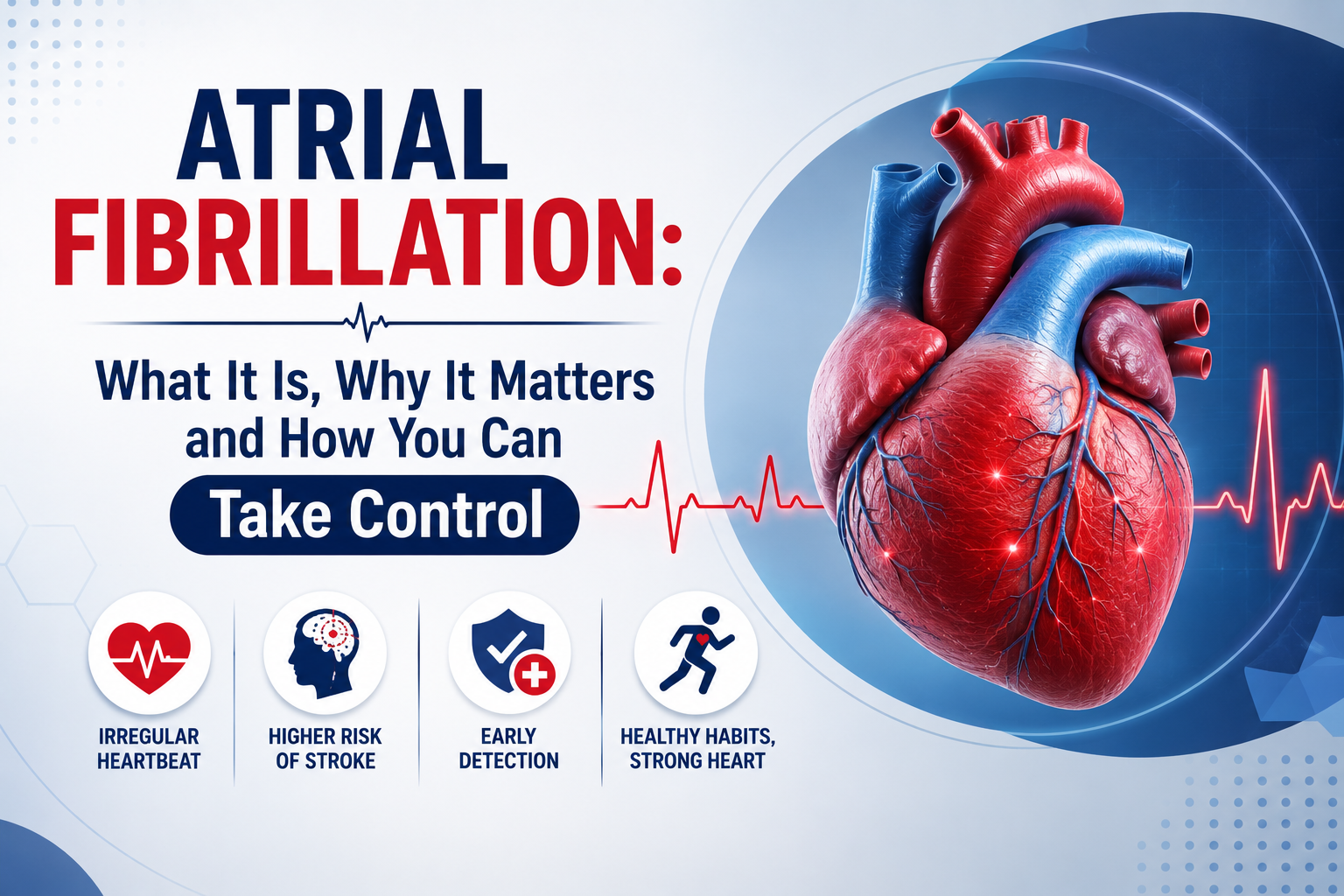
Atrial fibrillation, commonly called “AFib” is the most common type of irregular heartbeat (arrhythmia). In AFib, the heart’s upper chambers (atria) beat chaotically and often too fast, making the heartbeat irregular and sometimes rapid. While some people feel nothing at all, others notice palpitations, breathlessness or fatigue. The biggest concern with AFib is that it increases the risk of stroke because the irregular flow can cause blood clots to form in the heart and travel to the brain. With early detection, lifestyle changes, and the right treatment, most people with AFib can live full, active lives.
Symptoms:
Not everyone with AFib has symptoms, but when they occur, they may include:
● Palpitations: A sensation of fluttering, pounding, racing, or “skipped” heartbeats.
● Irregular or fast pulse: Often over 100 beats per minute at rest.
● Shortness of breath, especially with activity or when lying flat.
● Extreme fatigue or feeling unusually tired.
● Dizziness, lightheadedness, or near-fainting.
● Chest pain or tightness.
● Reduced exercise tolerance or weakness.
Some people have brief episodes that come and go (paroxysmal AFib), while others have a constant irregular rhythm (persistent or permanent AFib).
Causes and Risk Factors:
AFib happens when abnormal electrical signals in the atria disrupt the heart’s normal rhythm. Several factors increase the risk:
● Age: Risk rises sharply after 60-65 years.
● High blood pressure (hypertension): The most common modifiable risk factor.
● Heart conditions: Coronary artery disease, heart valve disease, heart failure, prior heart attack, or congenital heart defects.
● Metabolic conditions:Obesity, type 2 diabetes, and metabolic syndrome.
● Thyroid disorders:Especially hyperthyroidism (overactive thyroid).
● Lung and sleep disorders: Chronic lung disease and obstructive sleep apnea.
● Lifestyle factors: Smoking, heavy or binge drinking, and very high endurance exercise in some people.
● Family history and genetics: AFib can run in families.
● Other triggers: Major surgery, severe infections, or certain medications (e.g., high-dose thyroid hormone, some asthma drugs).
Prevention Tips:
You can’t change your age or genes, but you can influence many risk factors:
● Keep blood pressure under control: Check it regularly; aim for targets set by your doctor (often
<130/80 mmHg).
● Maintain a healthy weight: Even a 5-10% weight loss can reduce AFib burden in people with overweight or obesity.
● Be physically active: Aim for at least 150 minutes/week of moderate exercise (like brisk walking, cycling, or swimming), unless your doctor advises otherwise.
● Eat a heart-healthy diet: Emphasize fruits, vegetables, whole grains, legumes, nuts, and fish; limit salt, sugar, and saturated/trans fats (a Mediterranean-style pattern is well supported).
● Limit or avoid alcohol: Binge drinking strongly raises AFib risk; many guidelines now suggest ≤1 drink/day or less, and some people with AFib benefit from complete avoidance.
● Don’t smoke or vape: Quitting reduces risk of AFib and many other heart and lung diseases.
● Manage diabetes, cholesterol, and thyroid problems: Regular check-ups and medications as prescribed help protect your heart rhythm.
● Treat sleep apnea: If you snore loudly, stop breathing during sleep, or feel very sleepy in the day, ask about a sleep study.
● Avoid extreme endurance training without guidance:Very high-volume, high-intensity training may trigger AFib in susceptible individuals.
When to Consult a Doctor?
See a healthcare provider soon if you notice:
● New or worsening palpitations or an irregular pulse.
● Repeated episodes of dizziness, breathlessness, or unusual fatigue, You are over 65 and have
never been checked for AFib (a simple pulse check or ECG can help).
● Seek emergency care immediately, if you have AFib symptoms plus any of the following:
● Chest pain or pressure.
● Severe shortness of breath.
● Fainting or near-fainting.
● Signs of stroke: sudden weakness or numbness on one side, facial droop, trouble speaking, vision changes, severe headache, or confusion.
Early diagnosis allows timely stroke prevention and symptom control.
Treatment Awareness:
● Treatment is personalized and usually focuses on “three goals”: preventing stroke, controlling heart rate/rhythm, and improving quality of life.
● Stroke prevention:Many people with AFib need blood thinners (anticoagulants) such as apixaban, rivaroxaban, dabigatran, edoxaban, or warfarin, depending on their stroke risk score and bleeding risk.
● Rate control: Medications like beta-blockers or calcium channel blockers slow the heart to a safer, more comfortable rate.
● Rhythm control: Anti-arrhythmic drugs, electrical cardioversion (a controlled “reset” of the rhythm), or catheter ablation (a minimally invasive procedure to isolate abnormal electrical signals) may be used to restore and maintain normal rhythm.
● Risk factor modification: Weight loss, blood pressure control, sleep apnea treatment, and reducing alcohol can significantly reduce AFib episodes and improve treatment success.
● Procedures and devices: In selected cases, surgical ablation, left atrial appendage occlusion, or pacemakers may be considered.
● Your doctor will tailor therapy based on your symptoms, other health conditions, and preferences.
GEWO Health Message:
At GEWO Health, we believe that understanding your heart rhythm is the first step toward staying safe and confident. If you or a loved one has AFib, small daily habits like checking your pulse, taking medications as prescribed, moving your body, and eating mindfully can make a big difference. Partner with your healthcare team, ask questions, and remember: with the right care, AFib can be managed effectively so you can focus on what matters most to you.
Medical Disclaimer:
This article is for general information and education only and does not replace professional medical advice, diagnosis, or treatment. Always seek the guidance of your physician or other qualified health provider with any questions about your heart health, symptoms, or treatment options. Never ignore professional medical advice or delay seeking care because of something you have read here. In case of a medical emergency, call your local emergency number immediately.